Manaslu Circuit Trek Permits And Cost Guide 2026
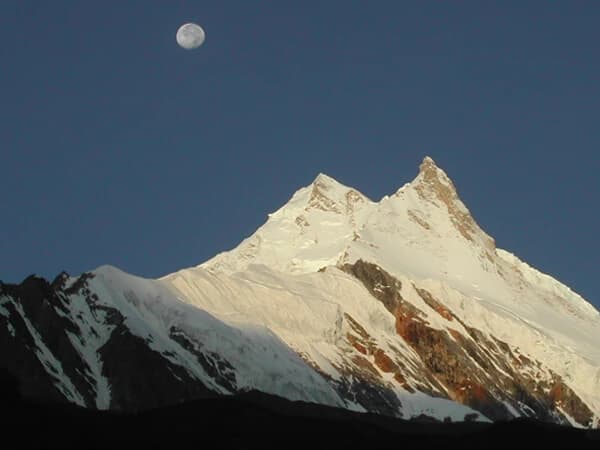
Manaslu Circuit Trek lies in the Gorkha district of Nepal, close to Nepal Tibet border. The trekking route circles the towering peak of Manaslu which is the world’s eight highest mountain at the elevation of 8,163 meters. This region was closed until 1991 AD which makes this a remote trekking in higher altitude. Moreover, this region is also a restricted area along with a protected area under the conservation of Manaslu Conservation Area and some parts touching the Annapurna Conservation Area which requires special Manaslu Circuit Trek Permits with extra costs. Due to it being a restricted and protected area, you need to trek this circuit with a licensed trekking guide.
Why Are Permits Required For Manaslu Circuit Trek?
Manaslu Circuit trek lies close to the sensitive border location of Nepal and Tibet which makes controlled access necessary for the security and regulation in this region. Due to this, the trekking region is a restricted area. The region was opened to trekkers in the year 1991 and still remains as a restricted area in some parts of the circuit trail. The region onwards from Jagat village lies in the restricted area which requires you to have the Manaslu Restricted Area Permit (MRAP).
In addition to being a restricted area, the Manaslu Circuit Trek also lies within the protected region of Manaslu Conservation Area. The conservation area protects its unique natural environment along with its cultural values. The region has diverse flora, fauna and ecosystems from sub tropical forests to alpine meadows and high altitude terrain which also habitats rare and endangered animals like Snow Leopard, Blue Sheep, Himalayan Tahr and Red panda. Hence to protect and preserve the rich and diverse biodiversity, wildlife and the unaffected Tibetan- influenced culture of people by tourism, conversation in Manaslu has been necessary. Because of the conservation area you also need the Manaslu Conservation Area Permit (MCAP).
During your hike through the circuit of Manaslu, the final sections of the trek exits Manaslu region and enters the Annapurna conservation area in Dharapani and onwards. The trek also falls under the conservation area of Annapurna which ensures protection and preservation of rare wildlife, diverse and rich biodiversity and unique culture of the Annapurna region. Hence, Annapurna Conservation Area Permit (ACAP) is also required until you exit through Besi Sahar.
Manaslu trek is a remote and high altitude trekking region where infrastructures have not been fairly developed yet. The local rural municipality of Chumnubri has introduced a new permit whose fees goes into the development of schools, health posts and local infrastructure along with trail and waste management. Chumnubri Rural Municipality Permit is also required which is a newly added local fee that ensures regulated and sustainable tourism.
Manaslu Circuit Trek 16 Day Itinerary
Day 01: Arrival in Kathmandu and transfer to hotel.
Day 02: Sightseeing in Kathmandu and permit preparation.
Day 03: Drive to Jagat (1,410m/4,625ft).
Day 04: Trek to Deng (1,804m/5,917ft).
Day 05: Trek to Namrung (2,630m/8,626ft).
Day 06: Trek to Samagaun (3,530m/11,578ft).
Day 07: Acclimatization day.
Day 08: Trek to Samdo (3,860m/12,660ft).
Day 09: Trek to Dharamsala/ Larkya Base camp (4,460m/14,628ft).
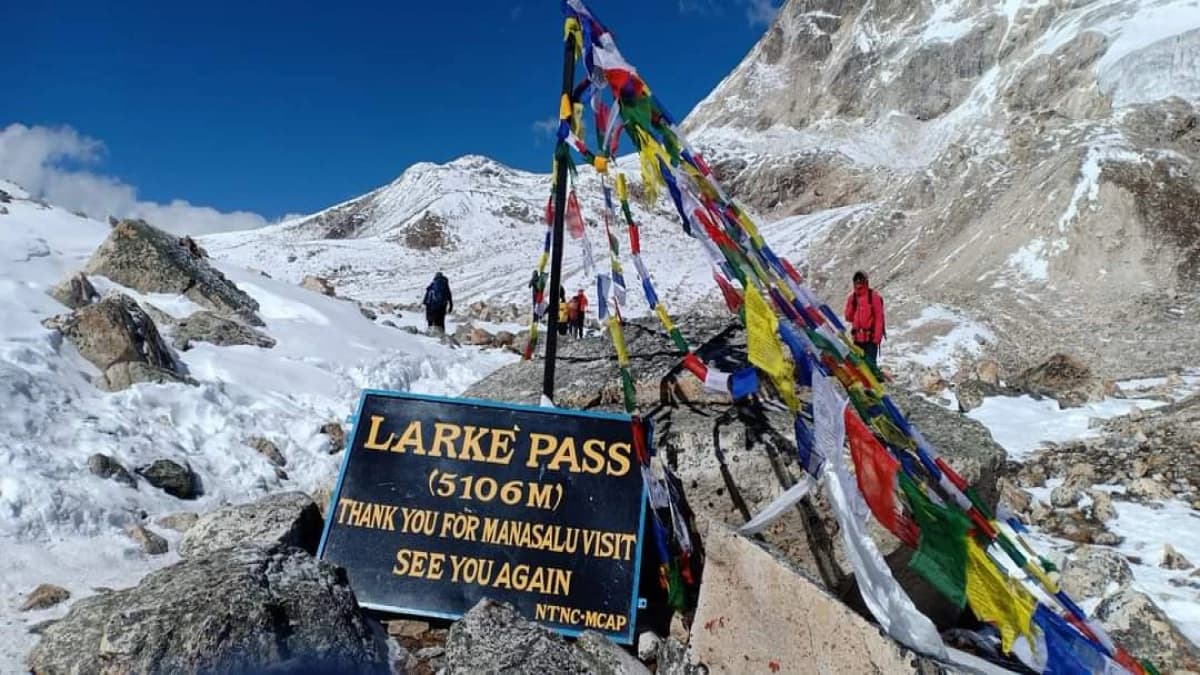
Day 10: Cross the Larkya La Pass (5,170m/16,962ft) + trek to Bhimtang (3,720m/12,201ft).
Day 11: Trek to Tilije (2,300m/7,544ft).
Day 12: Trek to Tal (1,700m/5,576ft).
Day 13: Trek to Syange (1,080m/3,542ft).
Day 14: Trek to Bhulbhule (840m/2,756ft).
Day 15: Drive back to Kathmandu.
Day 16: Final Departure.
Manaslu Circuit Trek Permits
During a standard Manaslu Circuit Trek you need 4 permits throughout the whole adventure. For the regions between Jagat and Dharapani which is a restricted area, you need a restricted area permit. Additionally applying for a restricted area permit, you must have a minimum of 2 trekkers in a group and through a government registered trekking company.
As the circuit trek also touches parts of both the Manaslu and Annapurna conservation area you need both the conservation areas permit.
You also need a newly added local rural municipality permit that directly supports sustainable tourism in the region just like Khumbu Pasang Lhamu Rural Municipality Entry Permit in the Everest Base Camp trek.
Manaslu Restricted Area Permit (MRAP)
The Manaslu Restricted Area Permit is a special permit in the Manaslu Circuit Trek which authorized access into the regions which are listed as restricted areas by the government. The region spans the upper Budhi Gandaki valley from Jagat to Dharapani, including villages like Samagaun, Samdo, and Lho. You need to obtain this special restricted area permit through a government registered trekking company.
The cost of Manaslu Restricted Area Permit is adjusted seasonally. The government inflates its price during the peak season and reduces it during the off season. During September and November the cost for Manaslu RAP is USD 100 per person for the first 7 days and an additional USD 15 per person per day from the eight day onwards. And during December and August the cost drops to USD 75 per person for the first 7 days and an additional USD 10 per person per day from the eight day onwards.
Moreover, Manaslu RAP must be organized through a registered trekking agency as independent applications are not permitted.
Manaslu Restricted Area Permit Cost
| Nationality |
September-November (First 7 Days) |
December-August (First 7 Days) |
Extra Days Charge |
| Foreign | USD 100 | USD 75 | USD 15/ USD 10 |
| SAARC Nationals | USD 100 | USD 75 | USD 15/ USD 10 |
| Nepalese | Not required | Not required | Not required |
Manaslu Conservation Area Permit (MCAP)
The Manaslu Conservation Area Permit (MCAP) is another permit which you require for trekking within the Manaslu Conservation Area which covers most of the Manaslu Circuit from Jagat/ Soti Khola to Larkya La Pass. This permit contributes to the protection of the region’s ecosystems, wildlife and rich cultural heritage, ensuring that trekking is done sustainably along with supporting the local communities.MCAP helps to support local communities by funding sustainable trekking facilities. The villages like Namrung and Bhimthang benefit from improved infrastructures like trail maintenance, drinking water supply, and waste management systems, which means you enjoy cleaner trails and a more balanced environment throughout the trek. Additionally, the permit also helps to protect Himalayan wildlife including the rare and endangered Snow Leopards, Red Pandas, and Himalayan Blue Sheep, Himalayan Tahr offering you a chance to experience the area’s unique biodiversity responsibly. The MCAP permit helps greatly in protection of the region’s unique biodiversity, wildlife and Buddhist monasteries and sites in the high altitude villages of Lho and Samdo safeguarding the region’s cultural values.
The cost of MCAP is the same throughout the whole year unlike the Manaslu RAP. Foreign nationals have to pay NPR 3,000 per person and SAARC nationals have to pay NPR 1,000. The permit is free of cost for children under the age of 10 years. MCAP permit is to be paid even by Nepalese nationals which costs them NPR 100 per person. You can get the permit through authorized trekking agencies and the government office of Nepal Tourism Board in Bhrikutimandap, Kathmandu. Trekkers cannot purchase it at checkpoints during the trek hence, prior arrangements must be done.
Manaslu Conservation Area Permit Cost
| Nationality | Cost ( in NPR ) |
| Foreign | NPR 3,000 |
| SAARC Nationals | NPR 1,000 |
| Nepalese | NPR 100 |
Annapurna Conservation Area Permit (ACAP)
Similarly to MCAP you have to obtain the Annapurna Conservation Area Permit as the route in your Manaslu circuit trek enters Annapurna Conservation Area in Dharapani. Without the proper ACAP you are not allowed to trek beyond Dharapani as the upcoming regions lie in Annapurna Conservation Area. The lower sections of the trek near Tilije and Tal lie under the protected region which ensures the preservation and protection of the region’s diverse and unique ecosystem. The permit, similar to MCAP, contributes to the development of infrastructures, maintenance of trails, waste and drinking water management which helps you to experience the beauty of the trek without any concerns. It ensures the rich flora and fauna, exotic wildlife, rich biodiversity and unique cultural heritages are all preserved for many future generations to experience.
The cost of ACAP is also fixed unlike Manaslu RAP. Foreigners have to pay NPR 3,000 per person for the ACAP whereas SAARC nationals have to pay only NPR 1,000 for it with the cost for children under 10 years of age being free. Nepalese citizens who wish to trek in this region do have to pay for the ACAP which costs them NPR 100 per person. You can get the permit through trekking agencies and the government office of Nepal Tourism Board at Bhrikutimandap. You cannot purchase the permit during the trek so for this reason you should collect it prior to setting on your trekking journey to the Manaslu Circuit.
Annapurna Conservation Area Permit Cost
| Nationality | Cost ( in NPR ) |
| Foreign | NPR 3,000 |
| SAARC National | NPR 1,000 |
| Nepalese | NPR 100 |
Chumnubri Rural Municipality Permit (CRMP)
You are required to obtain the Chumnubri Rural Municipality Entry Permit before entering the lower areas managed by the local rural municipality. This permit is necessary because most parts of the circuit including villages around Jagat and the lower Manaslu region fall under the municipality’s jurisdiction. This permit, similar to Khumbu Pasang Lhamu Rural Municipality Entry Permit in the Everest region, is imposed by the local authority body for the development of the rural municipality where the trekking route lies in the Manaslu region. It ensures that trekking in the area is properly regulated and supports the local community. The funds collected through this permit are directly used to improve infrastructures like trails, waste management and cultural preservation in the villages along the route.
The permit is arranged locally at the Chumnubri Rural Municipality office or can be coordinated through registered trekking agencies. You have to pay NPR 1,000 per person for this permit in your Manaslu Circuit Trek.
Chumnubri Rural Municipality Entry Permit Cost
| Nationality | Cost ( in NPR ) |
| Foreign | NPR 1,000 |
| Nepalese | Not required |
What Documents Are Required For The Permits?
To receive any of the mentioned permits, you must provide different essential documents to your trekking agency. These documents help identify and verify that you are eligible to trek in the restricted and protected areas of the Manaslu circuit. These documents not just grant you permits but also ensure your safety, legality and evidence of identification without which you won’t be issued any permits for the journey. The following are the required documents that you must present to your trekking agency for your permits.
- A valid original passport is required to verify your identity and nationality during the permit application process.
- Four recent passport-sized photographs are needed for official records and permit documentation.
- You must present a valid Nepalese visa to confirm your legal stay in Nepal.
- Insurance documents are required to ensure coverage for emergencies and crossing Larkya La Pass which is a high altitude pass above 5,000 m during the trek.
- You must provide copies of your flight tickets showing arrival and departure details to verify your travel schedule.
- Photocopies of your passport and Nepal visa are submitted along with the originals for official documentation.
- An official consent letter addressed to the Chief of the Immigration Department is required for trekking in the restricted Manaslu region.
- You must submit all required documents to your registered trekking agency, which will issue the agency consent letter and handle the permit process.
Extended Manaslu Circuit Trek With Side Treks
There are several other side routes and trails that you can explore in the Manaslu Circuit Trek than just the main circuit. If you are looking for something more adventurous and challenging yet rewarding with scenic landscape and breathtaking views, the Manaslu Trek can be combined with various other itineraries. However, combining other trails and routes to the main circuit of Manaslu requires extra permits. You can read about some of the popular side treks itinerary which are combined with Manaslu Circuit with their permits and cost details below.
Manaslu Circuit Trek With Tsum Valley Itinerary
This extended Manaslu Circuit Trek combines the main circuit of Manaslu to the hidden Tsum Valley in a 21 day itinerary. You can explore the Manaslu region and its ancient monasteries like Mu Gompa and Rachen Gompa beyond the main circuit for a truly immersive adventure.
Day 01: Arrival in Kathmandu and transfer to hotel.
Day 02: Sightseeing in Kathmandu and permit preparation.
Day 03: Drive to Jagat (1,410 m/4,625 ft).
Day 04: Trek to Philim (1,570 m/5,151 ft), the gateway to Tsum Valley.
Day 05: Trek into Tsum Valley to Chumling (2,100 m/6,890 ft).
Day 06: Trek to Nile (2,300 m/7,544 ft).
Day 07: Trek to Mu Gompa (3,700 m/12,139 ft) and explore the monastery.
Day 08: Trek back to Nile (2,300 m/7,544 ft).
Day 09: Trek back to Philim (1,570 m/5,151 ft) and rejoin the main Manaslu Circuit.
Day 10: Trek to Namrung (2,630 m/8,626 ft).
Day 11: Trek to Samagaun (3,530 m/11,578 ft).
Day 12: Acclimatization day in Samagaun.
Day 13: Trek to Samdo (3,860 m/12,660 ft).
Day 14: Trek to Dharamsala / Larkya Base Camp (4,460 m/14,628 ft).
Day 15: Cross Larkya La Pass (5,170 m/16,962 ft) + trek to Bhimtang (3,720 m/12,201 ft).
Day 16: Trek to Tilije (2,300 m/7,544 ft).
Day 17: Trek to Tal (1,700 m/5,576 ft).
Day 18: Trek to Syange (1,080 m/3,542 ft).
Day 19: Trek to Bhulbhule (840 m/2,756 ft).
Day 20: Drive back to Kathmandu.
Day 21: Final departure.
Manaslu Circuit Trek With Tsum Valley Permits And Cost
For the Tsum Valley extension with Manaslu, all the previous permits for the Manaslu Circuit Trek are required with an additional permit. The government of Nepal lists Tsum Valley as a restricted area due to its location being close to the border of Tibet and Nepal. It has been classified as a restricted area in efforts to protect and conserve the local culture and environment by controlling tourism.
Hence, you need a Tsum Valley Restricted Area Permit for this extended Manaslu Circuit trek itinerary. You need to pay USD 40 per person for the first 7 days during the peak season which is from September to November and for every extra day of stay after the first week you are charged with additional USD 7 per person. The price is reduced during the off season by the government of Nepal to encourage off season tourism which offers less crowds. During December to August you need to pay USD 30 per person for the first week and an additional USD 7 per person per day after the first week. You need to note that this permit can only be obtained through a registered trekking agency in Nepal and is a must for the Tsum Valley side trek.
Tsum Valley Restricted Area Permit Cost
| Nationality |
September-November (First 7 Days) |
December-August (First 7 Days) |
Extra Days Charge |
| Foreign | USD 40 | USD 30 | USD 7 per day |
| SAARC Nationals | USD 40 | USD 30 | USD 7 per day |
| Nepalese | Not required | Not required | Not required |
Manaslu Circuit Trek With Annapurna Circuit Itinerary
This extension of Manaslu trek connects the main circuit of the Manaslu to the popular and breathtaking Annapurna Circuit from the village of Dharapani which is the main point connecting these circuits. You enter the Annapurna Conservation Area once you reach the village of Tilije. This extended itinerary of 23 days connects the rugged and remote trails of Manaslu Circuit with crossing the famous and high passes like Larkya La and Thorong La Pass along with scenic routes of Annapurna circuit offering you with magnificent views of the towering peaks like the Manaslu, Himlung Himal, Annapurna II, Annapurna III and Dhaulagiri.
Day 01: Arrival in Kathmandu and transfer to hotel.
Day 02: Sightseeing in Kathmandu and permit preparation.
Day 03: Drive to Jagat (1,410 m / 4,625 ft).
Day 04: Trek to Deng (1,804 m / 5,917 ft).
Day 05: Trek to Namrung (2,630 m / 8,626 ft).
Day 06: Trek to Samagaun (3,530 m / 11,578 ft).
Day 07: Acclimatization day in Samagaun.
Day 08: Trek to Samdo (3,860 m / 12,660 ft).
Day 09: Trek to Dharamsala / Larkya Base Camp (4,460 m / 14,628 ft).
Day 10: Cross Larkya La Pass (5,170 m / 16,962 ft) and trek to Bhimtang (3,720 m / 12,201 ft).
Day 11: Trek to Tilije (2,300 m / 7,544 ft), the entrance to the Annapurna Conservation Area.
Day 12: Trek to Dharapani (1,860 m / 6,102 ft) joining the main Annapurna Circuit route.
Day 13: Trek to Chame (2,670 m / 8,760 ft).
Day 14: Trek to Pisang (3,200 m / 10,499 ft).
Day 15: Trek to Manang (3,540 m / 11,614 ft).
Day 16: Acclimatization day in Manang with optional hikes.
Day 17: Trek to Yak Kharka (4,050 m / 13,287 ft).
Day 18: Trek to Thorong Phedi / High Camp (4,450 to 4,880 m).
Day 19: Cross Thorong La Pass (5,416 m / 17,769 ft) and trek to Muktinath (3,800 m / 12,467 ft).
Day 20: Trek or drive to Jomsom (2,720 m / 8,923 ft).
Day 21: Fly or drive back to Pokhara.
Day 22: Drive or fly back to Kathmandu.
Day 23: Final departure.
Manaslu Circuit Trek With Annapurna Circuit Permits and Cost
For the Manaslu Circuit Trek combined with the Annapurna Circuit, the permits required are the same as the standard Manaslu Circuit trek. As the route enters the Annapurna region after Dharapani, the Annapurna Conservation Area permit is required from here onwards. This permit plays an important role in conserving the region’s diverse ecosystems, wildlife, and cultural heritage while supporting sustainable tourism. The TIMS ( Trekker’s Information Management System ) card is another permit which can be required even though it is said to be outdated, hence it is better if you verify with your agency. You can get the TIMS card in Kathmandu or Pokhara via your trekking agency. TIMS card costs you NPR 2,000 and is used for safety tracking.
The cost of the Annapurna Conservation Area Permit is fixed throughout the year and does not change by season. Foreign nationals are required to pay NPR 3,000 per person, while SAARC nationals pay NPR 1,000 per person. The permit is free for children under 10 years of age. Nepalese citizens also need to obtain ACAP, which costs NPR 100 per person. This permit can be arranged through registered trekking agencies or obtained from the Nepal Tourism Board office in Kathmandu, and it must be secured before starting the trek, as it cannot be purchased along the trail.
Manaslu And Annapurna Circuit Trek With Tilicho Lake Itinerary
This extension of the Manaslu and Annapurna Circuit to the Tilicho Lake begins from Manang, as the lake lies north to Manang. This extended 25 day itinerary takes you to one of the world’s highest alpine lakes with freeing cold turquoise waters. This extension combines the rugged wilderness of Manaslu region with the iconic peaks and high passes of Annapurna with the scenic and spectacular views of the magnificent Tilicho lake which makes it a complete high altitude adventure for you in Nepal.
Day 01: Arrival in Kathmandu and transfer to hotel.
Day 02: Sightseeing in Kathmandu and permit preparation.
Day 03: Drive to Jagat (1,410 m / 4,625 ft).
Day 04: Trek to Deng (1,804 m / 5,917 ft).
Day 05: Trek to Namrung (2,630 m / 8,626 ft).
Day 06: Trek to Samagaun (3,530 m / 11,578 ft).
Day 07: Acclimatization day in Samagaun; optional short hikes in the Manaslu Conservation Area.
Day 08: Trek to Samdo (3,860 m / 12,660 ft).
Day 09: Trek to Dharamsala / Larkya Base Camp (4,460 m / 14,628 ft).
Day 10: Cross Larkya La Pass (5,170 m / 16,962 ft) and trek to Bhimtang (3,720 m / 12,201 ft).
Day 11: Trek to Tilije (2,300 m / 7,544 ft), entering Annapurna Conservation Area.
Day 12: Trek to Dharapani (1,860 m / 6,102 ft).
Day 13: Trek to Chame (2,670 m / 8,760 ft).
Day 14: Trek to Pisang (3,200 m / 10,499 ft).
Day 15: Trek to Manang (3,540 m / 11,614 ft).
Day 16: Acclimatization day in Manang.
Day 17: Trek from Manang to Tilicho Base Camp (4,800 m / 15,748 ft).
Day 18: Trek to Tilicho Lake (4,919 m / 16,138 ft) and back to Manang.
Day 19: Trek to Yak Kharka (4,050 m / 13,287 ft).
Day 20: Trek to Thorong Phedi / High Camp (4,450 to 4,880 m).
Day 21: Cross Thorong La Pass (5,416 m / 17,769 ft) and trek to Muktinath (3,800 m / 12,467 ft).
Day 22: Trek or drive to Jomsom (2,720 m / 8,923 ft).
Day 23: Fly or drive back to Pokhara.
Day 24: Drive or fly back to Kathmandu.
Day 25: Final departure.
Manaslu And Annapurna Circuit Trek With Tilicho Lake Permits Cost
In your extended trek in the Manaslu and Annapurna Circuit with Tilicho Lake you won't require any additional permits as every permit covered for the Manaslu Circuit Trek is also enough to cover this complete extension. The ACAP, which is already required for the Manaslu Circuit, covers the whole Annapurna circuit along with the Tilicho Lake. However, similar to the previous extension of just the Annapurna Circuit the TIMS card can be required even though it is believed to be outdated. For precaution you should apply for the TIMS card after verifying with your trekking agency. The TIMS card costs you NPR 2,000 and it is used for safety tracking and information about the trekkers.
Final Thoughts
The Manaslu trekking region stands as a restricted and protected region for the efforts to maintain security, protection and preservation of the wilderness along with the local culture and traditions being practised there from centuries. Manaslu Circuit Trek offers you an unforgettable journey through the remote and alpine highlands of Nepal with its scenic Himalayan views, pristine wildlife and cultures. Whether you decide to just trek the main circuit or extend it with side treks to regions such the hidden valley of Tsum or the Annapurna Circuit with trek to the Tilicho Lake you will require special permits which are imposed for safe, legal and responsible trekking adventure in the high altitude regions of the Nepalese Himalayas.
FAQs Related To The Manaslu Circuit Trek
1. Why are permits required for the Manaslu Circuit Trek?
- Permits are required for the Manaslu Circuit Trek because the region is listed as a restricted area as well as under the protection of Manaslu and Annapurna Conservation Area.
2. Which permits are required for the standard Manaslu Circuit Trek?
- Manaslu Restricted Area Permit (MRAP)
- Manaslu Conservation Area Permit (MCAP)
- Annapurna Conservation Area Permit (ACAP)
- Chumnubri Rural Municipality Permit
3. How can I apply for the permits?
- You cannot apply for the permits on your own. You must obtain them through a registered trekking agency in Nepal.
4. How long does it take to issue the permit?
- Normally, it takes a minimum of one and a half hours to issue the permit but when sometimes the online system goes down and everything needs to be done manually it might take a couple of hours.
5. Are the permits refundable or transferable?
- No, the trekking permits cannot be refunded and transferred once issued. They cannot be used by another person.
6. Is a TIMS card required?
- The TIMS (Trekker’s Information Management System) card is believed to be outdated, however some agencies still recommend it for safety tracking. It costs NPR 2,000 and can be arranged via your trekking agency.
7. Do Nepalese trekkers need permits for the trek?
- They don't need the restricted area permits however they do need some valid ID through which they can gain entry passes for the conservation areas which do cost Nepalese NPR 100.
8. Are permits required for children?
- All the permits are free of cost for children under the age of 10, however, trekking this difficult circuit with children is not recommended.
9. What permits do I require for a combined Manaslu Circuit itinerary with side treks to Tsum Valley or Annapurna Circuit?
- You are only required an additional Tsum Valley Restricted Area Permit (RAP) along with other standard permits for Tsum Valley extension.
- For side treks to Annapurna Circuit with or without Tilicho Lake the Annapurna Conservation Area Permit (ACAP) from your standard Manaslu Circuit Trek can cover those regions. However, it is also advised to obtain a TIMS card for Annapurna region side trek.