Kanchenjunga Circuit Ultimate Journey to The Remote Himalayas
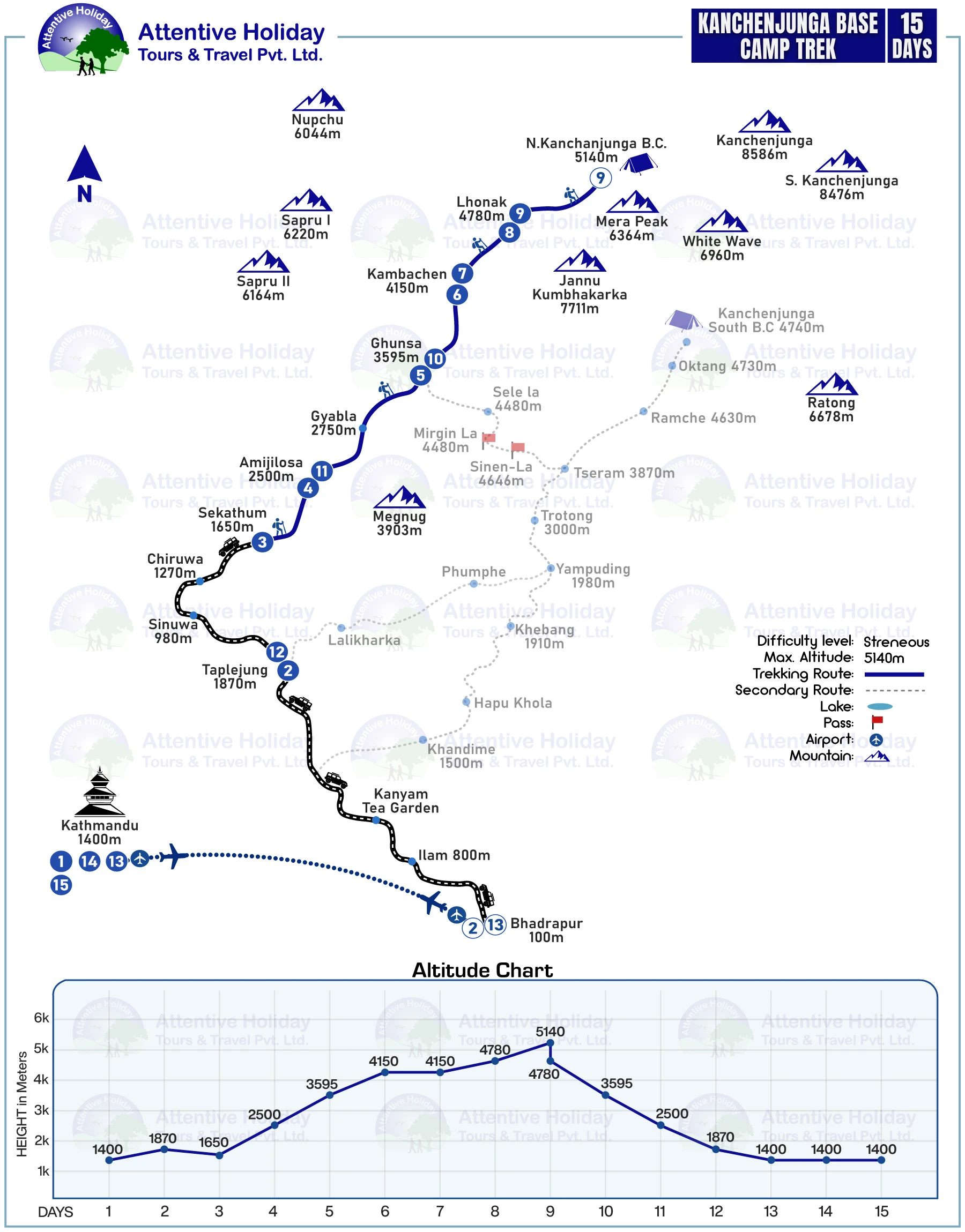
One of Nepal’s tallest mountains Mount Kanchenjunga is heaven on earth. Situated in the far-eastern region of Nepal, the Kanchenjunga Circuit Trek is one of the most remote treks of Nepal. Complete remoteness and off the beaten path trekking experience makes Kanchenjunga Circuit Trek ultimate dream destination of a trekker. The trek offers a 21 days adventure to the world’s third highest peak, Mount Kanchenjunga at 8,586 meters. The complete Kanchenjunga Circuit Trek Itinerary extends approximately 220-235 kilometers taking trekkers through the
North Base Camp (Pang Pema) as well as the South Base Camp (Yalung). The route also consists of breathtaking high passes Sele La pass which is composed of three other passes being Sinion La, Mirgin La and Sinelapche la pass. Kanchenjunga Circuit Trek exclusively presents some of the most intriguing panoramas of the mountains like Tent Peak (5,663 m/18,684 ft), Mt. Kambachen (7,902 m/25,925 ft), Mt. Janu (7,710 m/25,300 ft), etc, including the eight-thousanders like Mt. Everest (8,849 m/29,032 ft), Mt. Makalu (8,463 m/27,765 ft) and Mt. Lhotse (8,516 m/27,940 ft). In comparison to treks like Everest Base Camp, Annapurna Circuit or Mount Manaslu treks,Kanchenjunga circuit is an adventure of the ultimate off the beaten path journey along the pristine and uncrowded experience. In the present day, Kanchenjunga is protected by the Kanchenjunga Conservation Area and remains as a protected region. With this restriction the flora and fauna inhabiting here in the Kanchenjunga region remain in excellent condition. It is the ultimate dream of experiencing the Himalayas and also avoiding the crowded commercialized treks such as Langtang or Annapurna Base Camp.
The difficulty grade of the Kanchenjunga circuit is strenuous. Due to long trekking days of 18-25 days compared to Everest’s Base Camp’s 12-14 days Kanchenjunga circuit hike is more demanding in difficulty. It requires physical fitness, mental resilience as the Kanchenjunga hike is longer and en route to high altitude passes like the Sele La, rugged terrains and alpine landscapes and glaciers like the Yalung glacier. Beginner trekkers can hike to Ghorepani and Mardi Himal whereas only experienced trekkers are strongly advised for the Kanchenjunga circuit trek due to its strenuous difficulty.Kanchenjunga Base Camp trek features basic local teahouses and camping tents as your accommodation with very limited features and facilities in contrast to more commercialized treks like the Khopra Danda or Pikey Peak This allows the trekkers to experience the local Rai, Limbu and Sherpa culture in a raw and unfiltered manner. This trek offers a unique opportunity to explore the rural eastern Himalayas from an unexplored and unspoiled setting compared to some other treks in the eastern part such as Mount Makalu and Arun Valley. As it is a relatively much less explored and completed treks in Nepal in comparison to Everest or Annapurna, the Kanchenjunga region is home to several exotic and endangered Himalayan flora and faunas. During the trek you will explore pristine landscapes and biodiversity all in their natural habitat in pure form. You may encounter Red Pandas, Blue Sheep, Himalayan Black Bears, Snow Leopard, Musk Deer and the Himalayan Monal adding to the beauty of the rich remote terrains of the mountains
Kanchenjunga Circuit Trek is comparatively more expensive than other normal trek in Nepal. The budget of the Kanchenjunga trek is higher as it is remote and longer than most of the other treks which requires better trekking gears, experence trekking guide,domestic flight, higher cost for transportation and logistical support. Kanchenjunga circuit trek also requires special permits for restricted area trekking and conservation area permit which adds to the cost.The best time for Kanchenjunga Circuit Trek is during spring around March to May and fall /autumn around September to November. During this time, the weather is favorable with bright sunny days and clear skies with magnificent mountain views and the forests of lowlands are covered with dense Rhododendron flowers elevating its beauty even more.The mix of North Base Camp, South Base Camp, high passes like Sele la, glaciers like Yalung, traditional villages, monasteries like Ramtang and Oktang at such high altitude and eastern Nepal’s rich culture make this journey an outstanding adventure for trekkers looking for natural beauty mixed with rich culture and a quiet, less crowded trail.
Major Highlights of the Kanchenjunga Trek
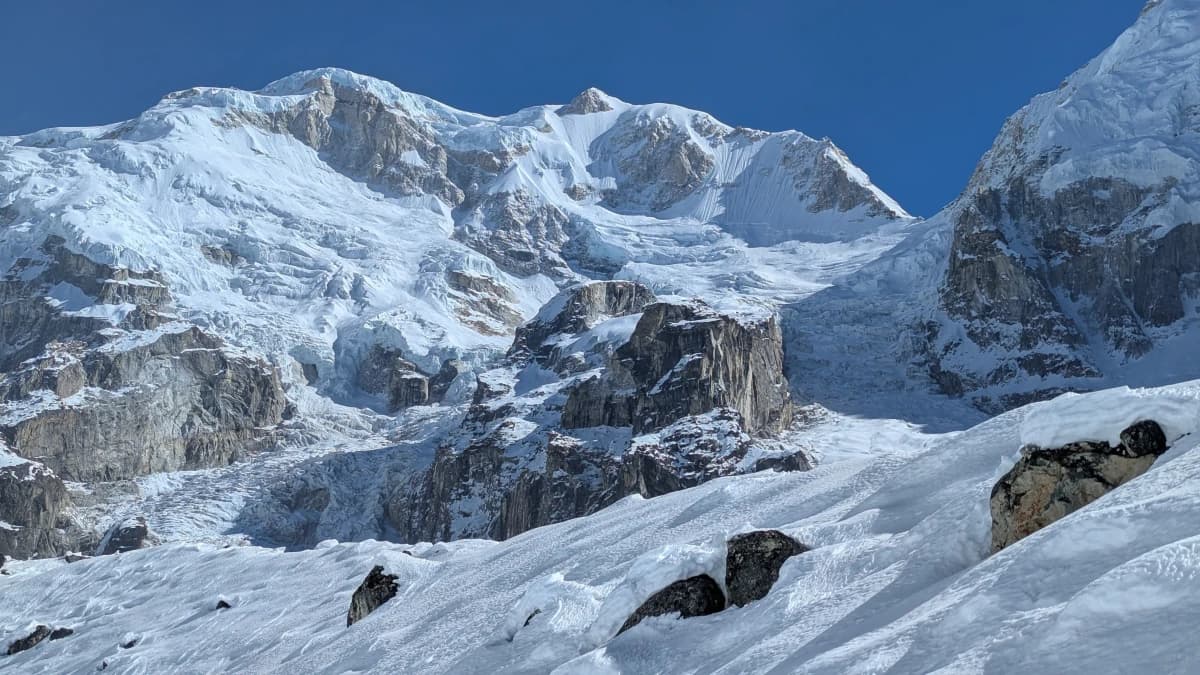
● See the world’s third highest mountain, Mount Kanchenjunga from the basecamp.
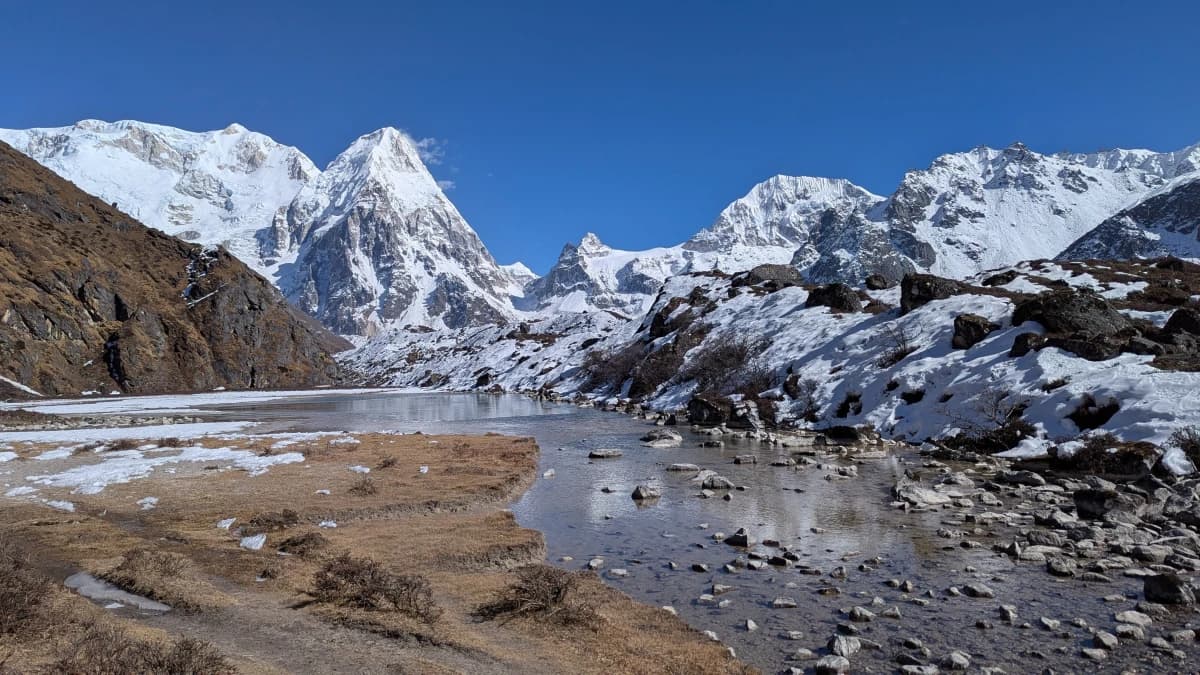
● Witness the stunning views of lush green valleys, dense Rhododendron forests to snowcapped mountains.
● Hike through the off the beaten path into the wilderness of Kanchenjunga which provides peace and solitude.
● Get a chance to see the exotic and endangered Himalayan species like Red Panda, Snow Leopard, Himalayan Brown Bear, Blue Sheep, Musk Deer and Himalayan Monal.
● Culturally immerse with the rich culture of the local communities of Rai, Limbu and Sherpa and their traditions.
● Explore the culture of Tibetan influenced villages of Ghunsa and Khambachen.
● Witness the magnificent Yalung Glacier.
● Meditate in peace at the Ramtang and Oktang monasteries.
● Experience the unfiltered remote lifestyle of the locals in the highlands.
How Difficulty is the Kanchenjunga Circuit Trek?
The Kanchenjunga trek is very physically demanding as it is one of the least commercialized unexplored and under the radar trek in Nepal. It doesn’t help either that the trek is one of the longest treks of Nepal spanning from anywhere between 18 to 25 days. The total approximate distance you will need to cover in this trek is 220 kilometers hence; you will be walking an average of 6 to 8 hours a day. The trek requires your physical fitness to be above average testing your endurance and stamina. The challenge of altitude sickness is also another important thing to note. Proper acclimatization is a must since the altitude reaches up to 5140 meters. Thin air and low oxygen levels will need high mental resilience and physical fitness.
When to Plan for Kanchenjunga Base Camp Trek?
The best season for trekking to Kanchenjunga Basecamp are spring and fall, which run from March to May and September to November, respectively. These months provide the most favorable environment, including weather, stunning views of the Himalayan belt, and a pristine hiking experience surrounded by Rhododendron-rich forests. During these seasons, the weather is ideal for trekking. In lower altitudes, temperatures range from 10°C to 20°C throughout the day, while higher altitudes range from -5°C to 10°C. The path is vibrant and vivid, with fascinating mountain views, a clear blue sky, and a breathtaking landscape in its purest form.
What is the Risk of Altitude Sickness in the Kanchenjunga Trek?
The Kanchenjunga trek is magnificent but comes with a risk of altitude sickness as the elevation reaches higher than 5,000 meters in the journey. Thinner air and lower oxygen levels will make it difficult to obtain enough oxygen which might cause headaches, nausea and vomiting too. Hence, proper acclimatization is done so that your body can adapt to the higher elevation. Taking gradual ascent and rest days is very necessary.
Permits Requirement for the Trek
As Kanchenjunga is a restricted area, to trek here you will require some legal documentation or permits. Since Kanchenjunga is a restricted area, you must trek with a licensed guide with you. The two main permits required for the Kanchenjunga treks are:
1.Restricted Area Permit (RAP)
This permit is required in the Kanchenjunga region and for every trekker entering the restricted zone. It is available via a registered trekking agency. The permit costs $20 per person per week for the first four weeks, then $25 per person per week afterwards.
2.Kanchenjunga Conservation Area Permit (KCAP)
This permit grants entrance to the Kanchenjunga Conservation Area and can be obtained at a national park checkpoint during the trek. Non-SAARC nationals need to pay $20 USD, whereas SAARC nationals need to pay $5 for the permit.
Kanchenjunga Trek Accommodation and Food Facility
Kanchenjunga Circuit Trek Accommodation and Meals Kanchenjunga trip is for those who are looking for a genuine Himalayan experience. You will need to leave behind fancy hotels and western menus. You will stay in cozy local teahouses and become a local as your daily life reflects a genuine Himalayan experience. Daal Bhat Tarkari, Tibetan noodles known as Thukpa, potatoes, and lots of hot water will serve you as your diet. Tea houses at lower altitudes may include Wi-Fi and a power source for charging, but there will be an additional cost. You will need to prepare yourself for fewer facilities and comforts, as well as a true mountain native experience in Nepal & remote eastern Himalayas.
Conclusion: Kanchenjunga South & North Base Camp Challenging Trek for Beginners
The Kanchenjunga Circuit Trek is more than just another Himalayan path. It is a journey that takes you into one of the most remote and untamed experiences of Nepal. Compared to the Annapurna Base Camp or the Everest Base Camp treks, every step gets you closer to towering glaciers, rural communities, pristine alpine landscapes, traditional villages and a sense of adventure into the Kanchenjunga Conservation Area that commercial paths just cannot provide. If you are looking for something authentic, something that challenges you, inspires you, and sticks with you long after you are returned home, Kanchenjunga Circuit Trek is where your journey begins. Rewarding you will mind-blowing views of glaciers like Yalung, magnificent passes like the Sele La and once in a lifetime experience into the off the beaten path, this is the trek that will remind you why you fell in love with the mountains in the first place. Embark on the Kanchenjunga North & South Base Camp Nepal for a 21 days adventure through remote and raw Himalayan wilderness where an unforgettable journey awaits for you with .