"Tiger Nest Sacred Heights, Unforgettable Sights"
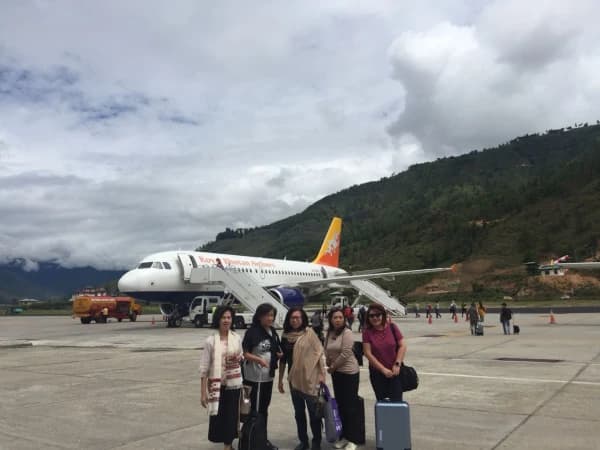
A short four day tour to Bhutan offers a unique opportunity to explore the heart of the country at a relaxed pace while experiencing its most iconic sights. The journey begins in Paro as the country’s only international airport. Every visitor experiences this picturesque town nestled in the mountains where winding streets, traditional architecture and riverside views create an immediate sense of calm and charm. From Paro the travel continues to Thimphu which is the capital of Bhutan where modern life exists alongside centuries of culture. Markets, temples and monasteries provide a glimpse into the daily life and traditions of the Bhutanese people, revealing a unique blend of history and contemporary energy.
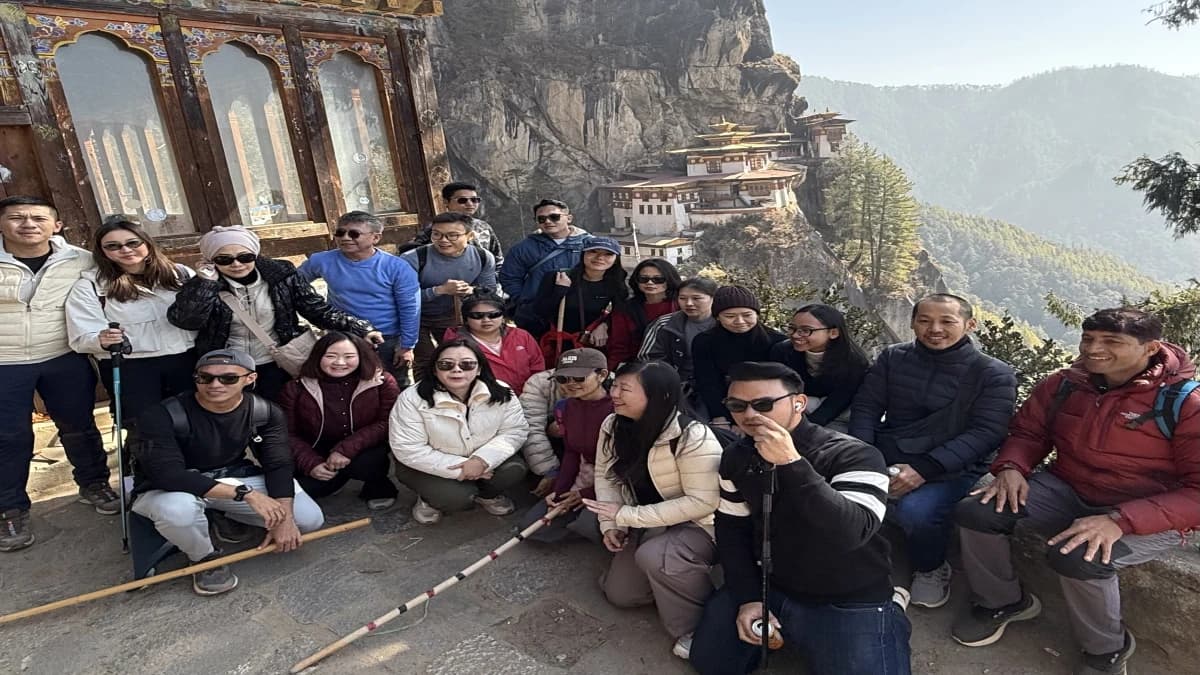
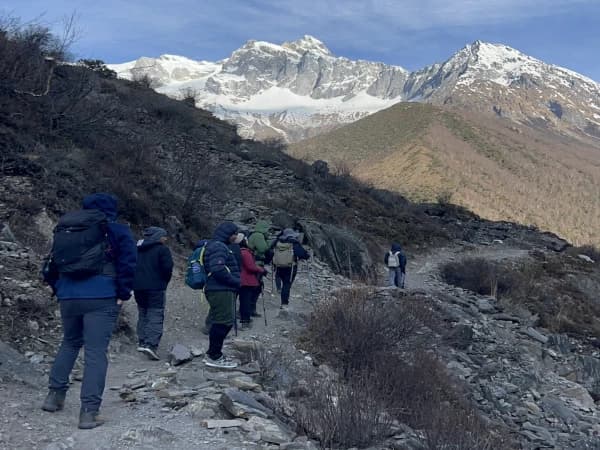
There are lots of iconic sites and moments which are provided by the journey back to Paro. The highlight of the tour is the hike to Tiger’s Nest Monastery. The path weaves through dense pine forests, moving past prayer wheels and small shrines then gradually opening to breathtaking views of the valley below. Rest points along the way allow for pauses to admire the scenery or to soak in the quiet stillness of the mountains and the spirituality of the area. The monastery which itself is perched on the edge of a cliff, creates a serene atmosphere and deep historical significance. A short tour is designed to allow time to enjoy each location fully, offering a balance between sightseeing, cultural immersion and gentle exploration of Bhutan’s natural landscapes.
After the end of a magical Bhutan journey, the combination of city life, local traditions and mountain scenery leaves a very lasting impression. From streets lined with colorful architecture, temples still active with daily rituals to the unforgettable hike to Tiger’s Nest, every day is a memory for the whole lifetime. The tour is an experience that highlights both the tangible and subtle elements of Bhutanese culture.
What Is the Bhutan Tiger’s Nest Tour?
The Bhutan Tiger’s Nest Tour is a short tour of 4 days in Bhutan with a hike to the Taktshang Monastery. It involves a journey to two of the most popular places of Bhutan which are Paro and Thimphu. This is a well crafted tour thoughtfully designed for people who have a shorter time frame to explore the history and sites of Bhutan.
Offering a balanced introduction to the country’s landscapes, traditions and daily life with the monastery hike forming its spiritual and visual highlight, the journey unfolds over a few relaxed days. Visitors experience the beauty of how they have managed to preserve Bhutanese history and Buddhist culture with their ancient architectures, spirituality, traditional way of life while also taking steps in modern development. From the moment the plane lands in Paro, the magical and surreal journey into Bhutan for a short span of time begins. Throughout the tour from the moment we land in Paro then to Thimphu and back to Paro is done by private and comfortable transportation. Many visitors find this short journey to Bhutan with the Tiger’s Nest hike as the main highlight to be very fruitful especially if they are running short on time. Additionally, tourists are well accommodated in various comfortable 3 star hotels which are rated by the Bhutanese government itself. It is a trip which carefully blends the tradition, culture, history and Buddhist heritage of Bhutan with short and time saving sightseeing with the magnificent hike up to the Tiger’s Nest monastery.
Major Highlights of the 4 Days Bhutan Tour with Tiger’s Nest
- A Short Bhutan Tiger’s Nest Tour of 4 days designed around a realistic hike to Paro Taktsang.
- Gradual pacing with light sightseeing before the hike to minimize fatigue.
- Full-day Tiger’s Nest Monastery hike with optional rest stops and pony support.
- Clear guidance for beginners, children and senior travelers attempting the hike.
- Optional traditional hot stone bath experience to relieve muscle fatigue after the trek.
- Authentic Bhutanese dinner paired with local folk performances as a cultural conclusion to the hike.
Tiger's Nest Monastery Tour 4 Days Itinerary
The following is the overview of a short 4 days itinerary of Bhutan Tiger’s Nest Tour:
Day 01: Arrival in Paro followed by transfer to the capital, Thimphu.
Day 02: Thimphu Sightseeing and drive back to Paro.
Day 03: Tiger’s Nest Monastery Hike.
Day 04: Final Departure.
Best Time to Visit Bhutan Tiger’s Nest Monastery
For a Bhutan holiday which is especially focused on the Tiger’s Nest visit, learning about the best time for a trip is very crucial. Every season has to offer unique experiences in a Bhutan tour despite the spring and autumn seasons being the clear favourites for the best time. It is based on personal preference and the main objective of a trip for deciding the best time to visit Tiger’s Nest in a Bhutan tour.
Is spring the best time to hike to Tiger’s Nest?
Yes, spring is partly considered the best time to hike to Tiger’s Nest as well as for a Bhutan tour as it is one of the peak seasons of travel. During the months of March to May, visitors are awarded with scenic beauty which makes Bhutan the most beautiful throughout the year. The springtime brings in vibrant landscapes with colorful flowers including Blue Poppies, the national flower along with rhododendrons and other wildflowers. The average temperature of a day ranges from 10°C to 20°C, making the whole environment perfect for sightseeing and hiking without feeling too warm or chilly. Cherry on top, springtime elevates the hiking experience in Tiger’s Nest trail as it gets covered in beautiful flowers, colorful and vibrant landscapes.
Why is autumn the most popular season for Bhutan Tour?
Autumn is the most popular season for Bhutan tours as it is a peak season offering visitors with excellent sightseeing and weather conditions. Autumn season and the months of September to November, awards tourists with crisp air and excellent visibility conditions which are perfect for sightseeing around Paro, Thimphu and from the trail of Tiger’s Nest. This season also provides perfect crystal-clear mountain views. Additionally, people experience temperatures of around 15°C to 20°C which is a very moderate and balanced condition too.
Can you visit Bhutan in winter?
Visiting Bhutan in winter is do-able and can be a surprisingly rewarding time. Bhutan in winter from December to February, can be a perfect time for those who prefer fewer crowds and clear Himalayan views. Winter is the quietest tourist season which makes places like Tiger’s Nest Monastery, Paro and Thimphu sightseeing and hiking experience far more peaceful and less crowded than in spring or autumn. The downside of winter holiday in Bhutan is that the daytime temperatures can get cold and chilly particularly in the mornings and evenings which can reduce the thrill of sightseeing. But also while hiking in Tiger Nest the trails can be covered in little to dense snow with steps covered in ice making the trail dangerous. This is the reason winter visits to Bhutan are not done much.
How is the summer season for a Bhutan trip?
Summer in Bhutan from the months of June to August coincides with the monsoon season which brings regular rainfall, misty valleys and lush green landscapes. While this is not the peak tourist time, it offers a unique side of Bhutan that feels more tranquil, fresh and deeply scenic. The countryside comes alive with vibrant rice fields, flowing rivers and cloud-draped mountains. Travel during this season is quieter and cultural sites like Paro, Thimphu along with the Taktshang Monastery feel less crowded. However the summer season brings weather which can be very unpredictable with occasional road delays or limited mountain views due to clouds.
Also, the sightseeing experience degrades due to constant rain and wet surroundings. To add fuel to the fire, hiking the Tiger’s Nest can be very tricky as the trail is wet, slippery and risky.
Bhutan Permits, SDF Fees and Entry Rules
The permits which are required for a Bhutan Tour are simple and straightforward. The Visa to Bhutan acts like an entry permit and for the nationals of Maldives, India and Bangladesh any sort of valid passport or voter IDs act like the permit. In a specific short tour of Bhutan covering only Paro and Thimphu not many permits are required but if the itinerary covers other valleys of Punakha and Gangtey then further official route permits are needed which are issued by the immigration department in Thimphu.
Let’s now address the elephant in the room which is the Sustainable Development Fee (SDF). This fee is a commitment to Bhutan’s policy of “High Value, Low Volume” tourism directly funds the sustainable development of Bhutan among all the tourism practices. Tourists are charged a hefty amount for this fee on a per night basis. The fee structure per person is as follows:
USD 100 per person per night for adults.
USD 50 per person per night for children aged 6-12 years.
Free for children under 6 years of age.
How Difficult is Tiger Nest Monestary Hike ?
The journey of a short Bhutan tour is not that difficult at all. It is a shorter holiday of just 4 days and on top of that every ground transfer between Paro and Thimphu is done in a comfortable private vehicle. It is a trip which looks designed to provide maximum comfort to visitors and cover the key sites of Paro and Thimphu within a short time. That being said, there is a hike which is essentially the main highlight of the tour being the hike to the Tiger’s Nest monastery. The elevation gained at the top of the monastery is 3,120 meters which can fatigue hikers faster than usual due to the rise in altitude which they aren’t used to. The hike itself is of around 6 kilometers two way but don’t let the distance fool you as the real issue turns out to be steep stone ascents and descents and the altitude. The journey is rated as of a moderate difficulty. It is not about speed as slowly ascending and absorbing the surrounding and its natural beauty provides the necessary fuel to complete it.
Is it safe to hike to the Tiger’s Nest with children?
Yes hiking to the Tiger’s Nest with children is relatively safe as the trail is wide and well maintained. In fact it is very common that children also partake in this hike and some even reach the top faster than their parents and other adults. Instead of the concern of trail the key factor here is the altitude and exhaustion. Many children from the ages of 7 and higher remain fine during the hike and with their level of joy and excitement complete it very quickly. While children below the age of 7 need proper care and safety with maybe a pony ride, frequent breaks in between or even carrying them for time and again.
Can a senior citizen complete the hike?
Yes a senior citizen can successfully attempt and complete the hike as it is a common sight to see hikers in their 60s and 70s on the trail. However, as the elevation gain is higher on the hike and ends with over 800 steep stone steps a proper slow and steady approach is required. Additionally, the Taktsang Cafeteria which is at the halfway point of the trail is usually chosen as a fulfilling final stop by elderly people as it also offers a stunning and close-up view of the monastery and a place to rest with tea and snacks. To save the joints from pain later in the evening hiking with a walking buddy in a wooden stick, which can be rented in the start, is highly recommended. Another important factor is higher altitude, so anyone who suffers from respiratory issues must consult their health providers first and only attempt if it is totally fine.
Are there alternative options for those who cannot hike to Tiger’s Nest?
Yes there are alternative options for those who cannot hike to Tiger’s Nest monastery. It is a tougher journey for some of us who are very fit and healthy. But to not let this be a hindrance for our dream of visiting the Tiger’s nest there are alternatives which are as follows:
Halfway Journey to the Taktsang Cafeteria
For those who start their hiking journey to the Tiger’s Nest and are unable to complete it due to various reasons such as fatigue, old age or any other issues, one alternative is to hike to the mid-way point where the Taktsang cafeteria lies. The cafeteria offers hikers a stunning and fulfilling close-up view of the Paro Taktsang monastery while enjoying the comfort of tea, snacks from a comfortable seat.
The Pony ride option
Also people can take a pony ride to the halfway point until where the ponies can safely go which saves them tons of energy and time for completing the remaining hike themselves slowly but steadily. Seniors, children or travelers with limited mobility can use this option to reach the midpoint comfortably. The pony ride is uphill only as visitors have to return to the trailhead by themselves.
What to Pack for the 4 Days Bhutan Short Tour?
For a smooth and comfortable holiday experience during a short Bhutan Tour, packing plays a very important role. A standard packing plan should look as below:
- Layered clothing suitable for changing temperatures, with a light jacket or fleece for cool mornings and evenings.
- Comfortable walking clothes for sightseeing in Thimphu and Paro paired with modest attire covering shoulders and knees for monastery visits.
- Sturdy, comfortable shoes that work for city streets as well as the uphill trail to Tiger’s Nest with proper socks for added comfort.
- Sun and weather protection, including a hat, sunglasses, sunscreen and a lightweight rain jacket.
- A small daypack to carry water, snacks, camera, extra layers and personal items during both sightseeing and the hike.
- Toiletries, medications, travel documents and optional comfort items such as a scarf, trekking poles or insect repellent.
Bhutan Tiger's Nest Monastery Etiquette Tips
- Clothing inside the monastery should be modest, respecting the religious site and ideally with long pants and covered shoulders.
- Cameras and phones are not allowed inside so photos are only permitted on the trail or from exterior viewpoints.
- Shoes must be removed before entering shrine rooms and care should be taken when stepping over thresholds.
- Conversations and movement should remain quiet and calm to respect monks and worshippers.
- Prayer wheels, chortens and temple corridors should be circumambulated and walked around in a clockwise direction.
- Statues, murals and religious objects should not be touched.
- Feet should not point toward sacred statues when seated in shrine areas.
- Instructions from monastery staff or tour guides should always be followed.
- Drones are strictly prohibited in and around the monastery.
- The monastery functions as a living spiritual site and should be approached with awareness and respect.
Why Is a Short Bhutan Trip to Tiger’s Nest Worth It?
A short Bhutan tour like this proves that travel does not need to be long to be worth it and meaningful. With a short four day time, Bhutan has a way of slowing time and letting its beauty sink in. It greets visitors with quiet streets, rivers winding through the valley and the sound of prayer flags fluttering gently in the wind, where tradition lives alongside modern life, from bustling markets to monasteries that feel untouched by the rush of the outside world. Each moment is simple yet rich, giving a sense of place that lingers long after leaving.
The hike to Tiger’s Nest is the centerpiece of this journey. The trail and the silence of pausing to take in the forest smell, the quiet and peaceful nature, the valley and the distant mountains makes reaching the monastery feel earned. It is not just a destination but an experience which offers a balance of culture, nature and heritage, leaving visitors with memories that are quiet yet unforgettable. It is a journey measured not in miles but in moments that stay with you forever.
FAQs about the Short Bhutan Tour
1. Is 4 days enough to visit Bhutan?
Yes for anyone in a limited time frame to explore Bhutan, a short Bhutan tour covering Paro and Thimphu with the hike to the iconic Tiger’s Nest monastery which is typically of 4 days is enough.
2. Which is the best month to visit Bhutan?
Usually spring (March to May) and autumn (September to November) are considered the best months to visit Bhutan as they offer stable and moderate weather with excellent conditions for sightseeing and hiking.
3. Can I wear jeans in Bhutan?
Yes wearing jeans in Bhutan is allowed, but ensure proper and modest clothing which covers the shoulders when touring religious sites.
4. How long is the hike to Tiger’s Nest in Bhutan?
The hike to Tiger’s Nest in Bhutan is around 4 to 6 hours on average. The time varies based on individual fitness level.
5. How much does it cost to go to Tiger's Nest Bhutan?
The entry fee for Tiger’s Nest Bhutan is generally covered in the tour package beforehand by the tour operator so there is no extra permit/ heavy charge to go to Tiger’s Nest.