An Unforgettable Adventure Experience To Climbing Mera Peak
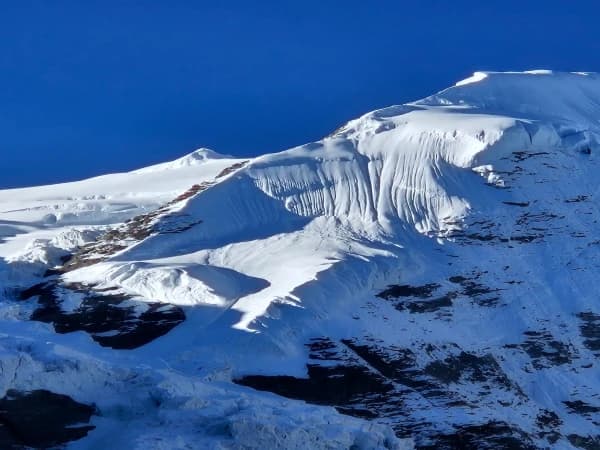
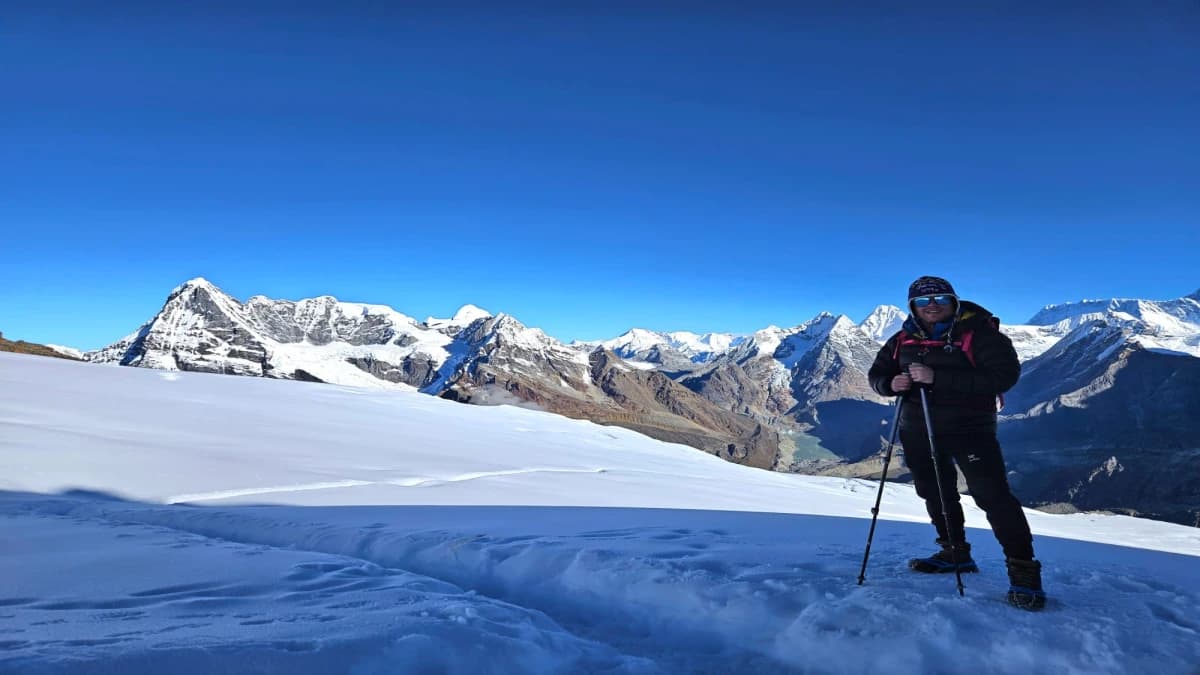
Mera Peak Climbing is the trekking expedition to the summit of the highest climbing peak in the world which is situated in the south east of Mount Everest region border in Nepal. Mera Peak is a mountain in the Mahalangur region which lies in the Makalu Barun National Park. With an elevation of 6,476 meters, Mera Peak is the highest climbing peak in the world. Mera Peak Summit offers us the views of five different mountains above 8,000 meters which are Everest, Lhotse, Cho Oyu, Makalu and Kanchenjunga. Located in the isolated Hinku Valley towards the south of Mt. Everest, Mera Peak Climbing has three significant summits which are namely Mera North (6,476 m), Mera Central (6,461 m) and Mera South (6,064 m). The summit of Mera Peak provides us with an unforgettable panoramic view of the highest mountain peaks along with other surrounding peaks and magnificent glaciers in the region.
As Mera Peak has the maximum height of 6,476 meters it is one of the longer trekking peaks in comparison to Pikey Peak which is 4,065 meters. Hence, Mera Peak Climbing itinerary is usually of 15- 18 days compared to Pikey Peak’s 5-8 days itinerary. This climb, though being the highest trekking peak, is considered a non-technical trekking peak compared to Island Peak Trekking. Since it is of low technical difficulty, climbing to Mera Peak is ideal for beginners as well. With the help of crampons and ice axe gears we can conquer the icy glaciers and snow in our trails. Mera Peak is a climbing trek consisting of a full expedition style climb which requires climbing gears and equipment like crampons, ice axes, high camp tents and guide and porter fee and more permits which makes the trekking cost of this trek higher compared to Yala Peak Climbing in the Langtang region.
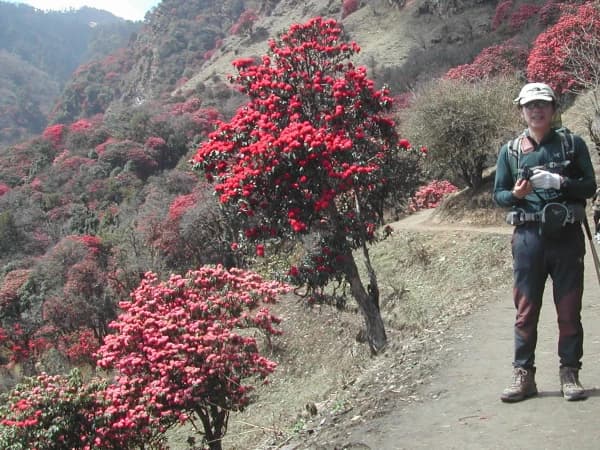
The best time to leave for conquering Mera Peak’s summit is during Spring and Autumn. During spring (March to May) the weather is favorable with bright sunny days and clear blue skies. We will be walking through dense luscious forests covered with Rhododendron flowers which is the national flower of Nepal. The natural beauty of Hinku Valley levels up during spring. During autumn (September- November) the environment is fresh and ultra clear after monsoon which provides us with crystal clear views of the Himalayas. Also, Mera Peak Climbing is less crowded than Island Peak and Lobuche Peak which will provide us with peace and solitude.Spring and Autumn are the best seasons for Mera Peak Climbing as they provide us with favourable conditions for climbing compared to strenuous conditions during Winter and Monsoon.
Being the highest climbing peak, the elevation of Mera Peak reaches well over 6,000 meters which makes it very common for us to suffer from altitude sickness in comparison to Pikey Peak which is just at an elevation of 4,000 meters. Therefore, we should properly acclimatize and prepare for altitude gain so that altitude sickness won't affect us. We should drink lots of water to keep ourselves hydrated and ascend gradually which will significantly reduce the risk of altitude sickness in Mera Peak Climbing.
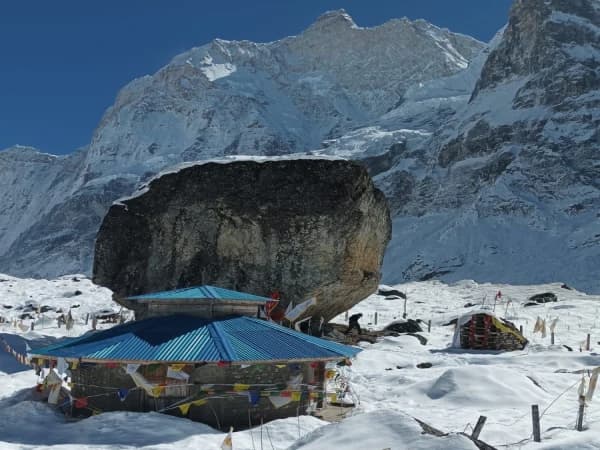
The expedition to Mera Peak requires special permits as it is located in the Makalu Barun National Park region. We will require several permits like Makalu Barun National Park entry permit, Khumbu Pasang Lhamu Rural Municipality Entry permit which replaces the TIMS card and Mera Peak Climbing Permit for legally trekking to the summit of Mera Peak. The accommodation situation during the climb is quite good with cozy hotels in the Lukla Airport area before and after our climb. And basic teahouses during our trek to the higher altitudes. Once we cross Khare which is the last place where we will find a teahouse then we will be staying in a high camp in tents and sleeping in sleeping bags. This is when we are around the Mera Peak High Camp.
What makes our experience a lifetime of memory is that we will find ourselves trekking through the off the beaten path of the traditional village of Hinku which welcomes every new visitor with its unspoiled beautiful village and pastures where the Himalayan exotic yaks and sheep make friends with you along our journey to the top of the highest trekking peak of the world. We should choose a government registered Trekking Company for ensuring our safety, legality and best experience.
Where Is Mera Peak Located And How Can We Get There?
Mera Peak is located in the Mahalangur section of mountain ranges of the Solukhumbu region. It lies in the Makalu Barun National park with an elevation of 6,476 meters. It is located in the Khumbu region of Nepal of the Solukhumbu district. It is a mountain peak which is also the highest climbing peak in the south east of Mount Everest region border.
Trekking to Mera Peak, our journey starts here in Kathmandu the capital city of Nepal from where we take a domestic flight of around 35 minutes to Lukla Airport which is located in the Khumbu region of Solukhumbu district. After landing we will hike to Chutanga and travel ahead day by day. During our journey through the Mera Peak Trekking Route we will come across the Zatrwa La Pass which connects Chutanga to Thuli Kharka to ultimately the Hinku Valley. Crossing the pass will be an exciting challenge for us as the trail ascends through forests of Rhododendron before reaching the ridge from where we can take in breathtaking panoramas of the Khumbu region. Our last stop will be Khare where we will acclimatize as after that, we will trek towards the High Camp and sleep in tents and sleeping bags.
During peak season or due to some unforeseen conditions, the flights to Lukla Airport from Kathmandu get cancelled or delayed indefinitely. In such a scenario we can drive to Ramechhap district from Kathmandu which takes us around 4-5 hours. From there we take a flight from Ramechhap Airport to Lukla as it is quite common during peak hours due to congestion in Kathmandu airports and to ease air traffic. Also the Ramechhap flight to Lukla is shorter than from Kathmandu.
Why Should We Choose Mera Peak Climbing ?
- Summit the highest climbing peak in the world, at an elevation of 6,476 meters.
- Stunning views of the highest peaks higher than 8,000 meters.
- Off the beaten path trails into the Zatra La Pass and the traditional valley of Hinku.
- Sightseeing of exotic Himalayan Yaks grazing in pastures of the Himalayas.
- Trek through diverse mountain landscapes and picturesque villages.
- Explore and learn about the rich culture and tradition of the local people.
- Less crowded than Island Peak and Lobuche Peak.
- Climbing with ice axes and crampons in beautiful glaciers and ice which provides us with a feeling of authentic mountaineering.
- For individuals who are looking to ascend to higher summits like Everest or other higher altitude peaks, Mera Peak Climbing is a great starting point which provides experience and preparation.
How Difficult Is Mera Peak Climbing, Is It Beginner Friendly?
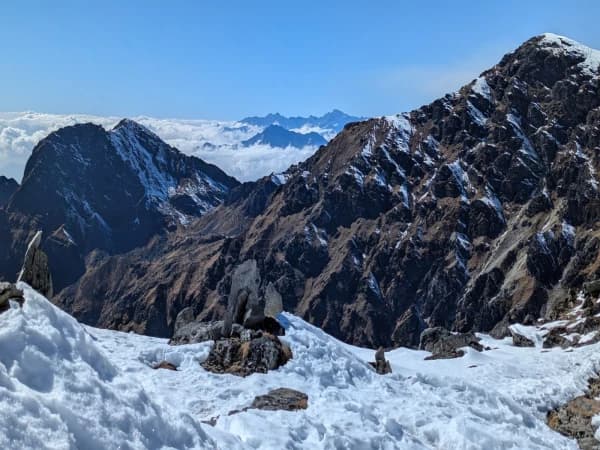
Summiting Mera Peak is moderately difficult as it is the highest climbing peak in the world. Though it is considered as non technical trekking, the high altitude, difficult and rough trails with glaciers and lots of snow and cold weather make it a challenge to climb Mera Peak. The long hiking days of 15 to 18 will require us to be prepared and have endurance and physical fitness while crossing rocky terrain, steep slopes at high altitude near the High Camp at 5,800 meters and icy and slippery glaciers. However it doesn't require much technical climbing skills compared to Island Peak where we need to cross exposed summit ridges, glacier climbs and so on. Due to this reason Mera Peak Climbing is beginner friendly. The challenge of altitude sickness is also another important thing that we have to note. We should do proper acclimatization since the altitude reaches up to 6,476 meters. Thin air and low oxygen levels will need us to have high mental resilience and physical fitness for a successful climb up the Mera Peak.
What Is The Best Time To Climb Mera Peak?
The best time to pack our bags to embark on this journey of climbing to Mera Peak is during spring and autumn seasons. During the spring season which is from March to May, the Mera Peak expedition offers an exceptional environment to climb. The weather is stable during this time with mild temperature which makes the climbing conditions very favourable. The visibility is also excellent which offers us magnificent views of the Himalayan Belt and giant peaks of the mountain along with clear trails. Spring season is the time when Rhododendrons, the national flower of Nepal, blooms throughout the dense forests in lower altitude which adds to the scenic beauty of the route. During Autumn, the weather is clear after monsoon with minimal rain or snow which is stable enough for an enjoyable experience. This season offers vivid and clear skies with great visibility of the peaks surrounding the area. The giants like Everest, Lhotse, Kanchenjunga all can be clearly seen while climbing up Mera Peak. This will make us feel like we have all the giant mountains all to ourselves to observe and feel the beauty of them.
We should probably avoid trekking Mera Peak during winter and monsoon seasons as they offer unfavourable environmental situations. Winter season brings us heavy snowfall which blocks the trails causing trail blockades and provides zero visibility along our trek. Monsoon with heavy rain will make our hike slippery and wet and cold, bringing unwanted guests like leaches in our way which makes the conditions for the climb unfavourable and dangerous.
Mera Peak Climbing 18 Days Itinerary
Day 1: Arrival in Kathmandu.
Day 2: Rest and Permit Preparation Day in Kathmandu.
Day 3: Domestic Flight to Lukla and trek to Chutang.
Day 4: Trek from Chutang/ Paiya to Panggom.
Day 5: Trek from Panggom to Ningsow.
Day 6: Trek from Ningsow to Chhatra Khola.
Day 7: Chhatra Khola to Kothe.
Day 8: Kothe to Thaknak.
Day 9: Trek from Thaknak to Khare.
Day 10: Acclimatization and Pre Climb training in Khare.
Day 11: Khare to Mera High Camp.
Day 12: High Camp to Summit (6,476 m) and back to Base camp.
Day 13: Reserved day for Contingency.
Day 14: Descent from Khare to Kothe.
Day 15: Kothe to Thuli Kharka.
Day 16: Thuli Kharka to Lukla via Zatrwa La Pass.
Day 17: Flight back to Kathmandu.
Day 18: Final departure.
Mera Peak Permit Cost And Requirement
Mera Peak Trekking falls under the protected area of the Makalu Barun National Park. Hence having the following permits is very crucial for our safe, responsible and legal trip to the pristine Mera Peak.
1.Makalu Barun National Park Entry Permit
- This permit is required for entering the protected area of Makalu Barun National park during the Mera Peak trek. SAARC nationals need to pay NPR 1,500 for one person whereas Non SAARC nationals need to pay NPR 3,000 per person for this permit.
2.Khumbu Pasang Lhamu Rural Municipality Entry Permit
- This permit is legally required for us to trek in the Khumbu region thus including Mera Peak. Also this permit replaces the TIMS card and costs NPR 2,000 per person.
3.Mera Peak Climbing Permit
- This permit is issued by Nepal Mountaineering Association (NMA) and is required for us to have during the climb of Mera Peak legally. The cost of this permit is seasonal but ranges from USD 70 to USD 250 according to different seasons.
Mera Peak Climbing Guide with Base Camp Guide Porter Service
For Mera Peak Climbing we need to hire and trek with a licensed guide. During this climb we will have to pack different trekking gears, equipment which makes our bag a lot heavier which is why we also need porters for our luggages. They can usually lift 25 kgs per porter which will make our life a lot easier as during the trek and climb we can solely focus on the climbing part without having to worry about tiring ourselves with extra weight.
It is highly recommended to us that we trek this giant peak with licensed trekking guides and porters. The guide will provide us safety during climbing and guide us through the history and tradition of the villages and culture of the local people in our journey. They will also make it easier for us by ensuring the safest and smoother climb which will enhance our adventure experience throughout the trek.
If we want to do Mera Peak Solo Trekking, we can make it possible here at Attentive Holiday Tours and Travel which is a government registered trekking company with years of experience. In case we are trekking solo, we have to trek to Khare on our own but from then onwards for climbing the peak we compulsorily need a climbing guide to summit the Mera Peak, Hence, we can join a group of trekkers or hire our own climbing guide for summit days starting from Khare.
1. Trekking Guide
- A licensed trekking guide will cost us around USD 25-30 per day. They will navigate us throughout the trek and brief us with information, knowledge and history about the Mera Peak climb.
2. Climbing Guide
- We will need to be with licensed climbing guide who will navigate and take us through the climbing section of the trek after Khare across challenging and technical sections of the climb, summit push in the dark and knowledge on how to use our equipment like the crampons, ice axes and ropes. Climbing Guide charge is usually around USD 200- 300 for the ascend.
3. Porter
- We should hire porters with us for the climb as they carry our heavy baggage which makes our trek comfortable, easier and manageable. Hiring a porter will usually cost us around USD 20-25 per day.
Mera Peak Trekking Route Accommodation And Food Service
The Mera Peak Climbing experience is thrilling but our accommodation and fooding during the trip is also very important. In this trek, the accommodation facilities vary as we move on ahead with our journey. Before we begin our trek, we will be staying in cozy lodges with standard facilities of hot shower, Wi-Fi and comfortable beds in the Lukla Airport area. As we begin our trek the home of ours for the next few days of gradual ascends to lower to mid altitude level will be local teahouses which are basically small guesthouses. The facilities also start to lessen as altitude rises. In the higher altitude region, we will be staying in high camps and tents specially near the Mera Base and Mera Peak High Camp area.
We will also be having the Nepalese staple Dal Bhat Tarkari which is rice with lentils and vegetables as the main fuel for our trip once we are staying at teahouses. Along with some noodles, eggs and potatoes this will be our meal during our stay at the teahouses.
Mera Peak Climbing Accommodation and Fooding provides basic local teahouses almost the whole way in the lower altitude and even while moving up in altitude. But in Khare, the accommodation is quite good with standard hotels with a bit more facilities than teahouses. We can find hotels with cozy bedrooms, hot shower facilities, electricity and Wi-Fi which could be slow. In those hotels we can have western menus for our food. Hence, throughout the trek Khare has some good quality standard lodging and fooding facilities in The Mera Peak Climb.
After ascending from Khare towards the High Camp region we will be camping in tents. The food will be cooked and provided to us by our kitchen team as there are no teahouses after this point to lodge and eat. We will be served with carbs and a protein rich diet along with hot soup and warm drinks like tea, coffee which will provide us with the fuel that we will need for our daring journey to the summit of Mera Peak.
Altitude Sickness And Acclimatization
The exhilarating trek to Mera Peak Summit ends at the maximum altitude of 6,476 meters which is a very high elevation. For summiting this peak we will be trekking through high altitude terrains which have very thin air in the atmosphere with low oxygen levels. This will put us in the risk of altitude sickness at a very high level. We may experience symptoms like nausea, vomiting, weakness and loss of appetite which are all indicative of Altitude Sickness. To prevent ourselves from being prey to altitude sickness during the trek we should prepare well for higher elevation. We should keep ourselves well hydrated by drinking plenty of water and minimizing the chances of being dehydrated. We should take ample amounts of rest in between days and provide our bodies with good quality sleep. We should gradually ascend in altitude and make our bodies familiar with higher elevation levels. We should perform proper acclimatization for Mera Peak Climbing and put the risk of altitude sickness in Mera peak trek away from us.
Facilities Amenities During The Mera Peak Trekking
During our trek to Mera Peak we will stay in various types of accommodations. Before our trek starts at Lukla we will have cozy lodges to stay at with comfortable bedding, hot showers, Wi-Fi and a menu with variety. As we begin our trek from Lukla and start staying in local teahouses the facilities and amenities also start to decline. The local teahouses in the lower altitudes may provide the facility of hot showers, Wi-Fi and charging but we will have to pay a certain charge for using those services. As we ascend even those basic services start declining and finally at higher camps we don’t have any access to hot showers, Wi-Fi or charging facilities. We should prepare ourselves for fewer facilities and comfort and enjoy the digital detox that we gain from this trek to the magnificent Mera Peak Climbing.
Tips, Tricks And Climbing Guide For Mera Peak
- We should set on this journey of Mera Peak Climbing during Spring and Autumn as they are the seasons which are the most favourable.
- We must have all the required legal permits for this expedition before we go into the journey.
- We must prepare well with trekking gear like trekking pants, warm woolen clothes, waterproof clothing to protect against cold snow or wet surfaces, sturdy and good quality boots and warm heattrapping inner wears which keep us warm. We should also pack trekking equipment like crampons for boots and ice axes later when we start climbing the Mera Peak and the glacial and snowy regions.
- Along with all the necessary gear and equipment we should also pack some very important items for this trek. A sun protection cream with a minimum of 50 SPF to prevent sunburns and lip balm with SPF to protect our lips from chapping and bleeding. We should also carry our personal hygiene and toiletries kit which includes a small towel, toothbrush, toothpaste, biodegradable soap, wet wipes, toilet paper and a hand sanitizer if possible. These amenities could be a life saver.
- We should drink plenty of water, move up at a constant pace and acclimatize ourselves to new altitude levels to prevent ourselves from getting altitude sickness.
- We should pack electronics such as torch light, head lamp, batteries and a power bank to charge our devices as electricity is not available in higher regions.
Conclusion: Explore The Mera Peak For An Ultimate Experience Of A Lifetime
Mera Peak Climbing Itinerary is the trekking expedition to the highest climbing peak in the world. Climbing the Mera Peak at an elevation of 6,476 meters will provide us with the complete experience of Himalayas and peak climbing. Through the dense Rhododendron forests to the higher alpine valley of Hinku into the Mera base and high camps, our journey will be exciting and something that we will always remember. After we cross the Mera Peak High Camp, we will embark on our thrilling journey of peak climbing across glaciers and dense snow with crampons and ice axes which makes this trek a complete mountaineering expedition suitable even for beginners.
Climbing Mera Peak is the ultimate adventure experience passing through tough terrains, valleys, Mera la pass, glaciers and finishing the trek with the thrill of climbing the peak itself from where we can see the panoramic views of giant massif of several 8,000 meters mountains standing tall and proud, makes Mera Peak Climbing a must for every Mountain enthusiast.
FAQs
1. Where is Mera Peak located?
Mera Peak is located in the Mahalangur section of Himalayas to the south east of Mount Everest border region in Makalu Barun National Park.
2. What is the success rate for Mera Peak Climb?
Being the highest climbing peak at an elevation of 6,476 meters, the success rate for Mera Peak climb is approximately 85-90%, depending on weather conditions, acclimatization and climbers’ fitness levels.
3. What is the difficulty level for the Mera Peak Expedition?
The expedition to Mera Peak is rated as somewhat challenging. Basic climbing knowledge, physical stamina and the capacity to endure high altitude conditions are the prerequisites.
4. Can beginners do the Mera Peak Climbing?
Yes, although being the highest climbing peak, beginners can do the Mera Peak Climb as it is non technical mountaineering with basic climbing knowledge required.
5. Is altitude sickness a danger for this expedition?
Yes, Due to the high elevation, altitude sickness is a genuine concern. To minimize risks, acclimatization days are included in the itinerary. Maintaining proper hydration, ascending gradually, and recognizing symptoms such as headache, dizziness, or nausea is crucial.
6. Do I need travel insurance for the expedition?
Yes, Travel insurance that specifically covers high-altitude trekking and mountaineering (above 6,000m) is mandatory for the Mera Peak expedition. It should include emergency helicopter rescue and medical evacuation.
7. Is it possible to combine the Mera Peak Climbing with Everest Base Camp trek?
Yes, for an extended adventure and a more diverse Himalayan experience, the Mera Peak expedition can be combined with routes such as the Everest Base Camp trek or the Amphu Lapcha Pass trek.
8. What type of physical preparation is required?
Participants should begin training at least 2–3 months prior to departure. This includes cardiovascular exercises (running, cycling), strength training, and practice hikes with a loaded backpack to build endurance and stability.
9. Can I rent climbing equipment in Nepal?
Yes, Most essential mountaineering and climbing gear can be rented or purchased in Kathmandu at reasonable rates, providing convenience for trekkers who prefer not to carry all equipment from home.