A Guideline for the Kanchenjunga Base Camp Trek
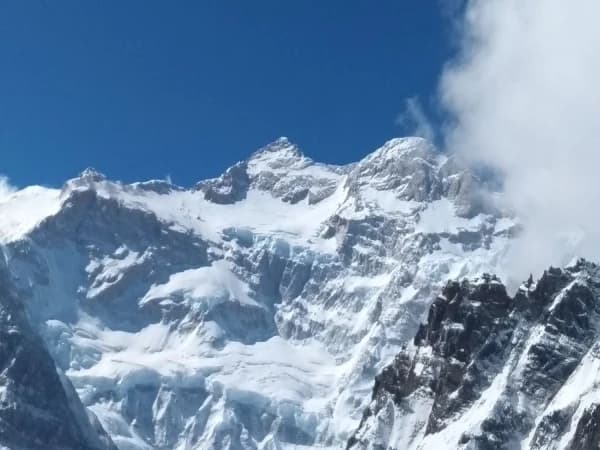
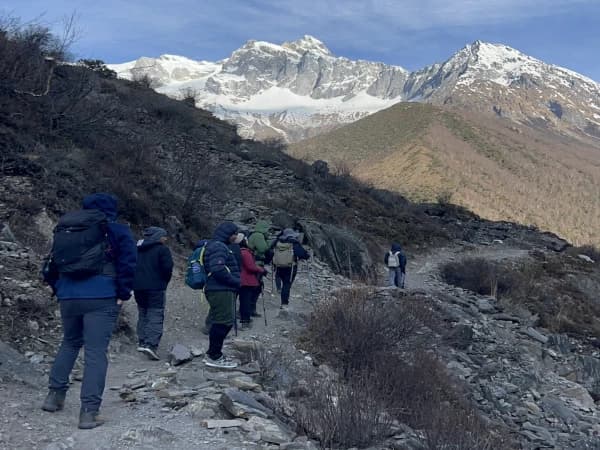
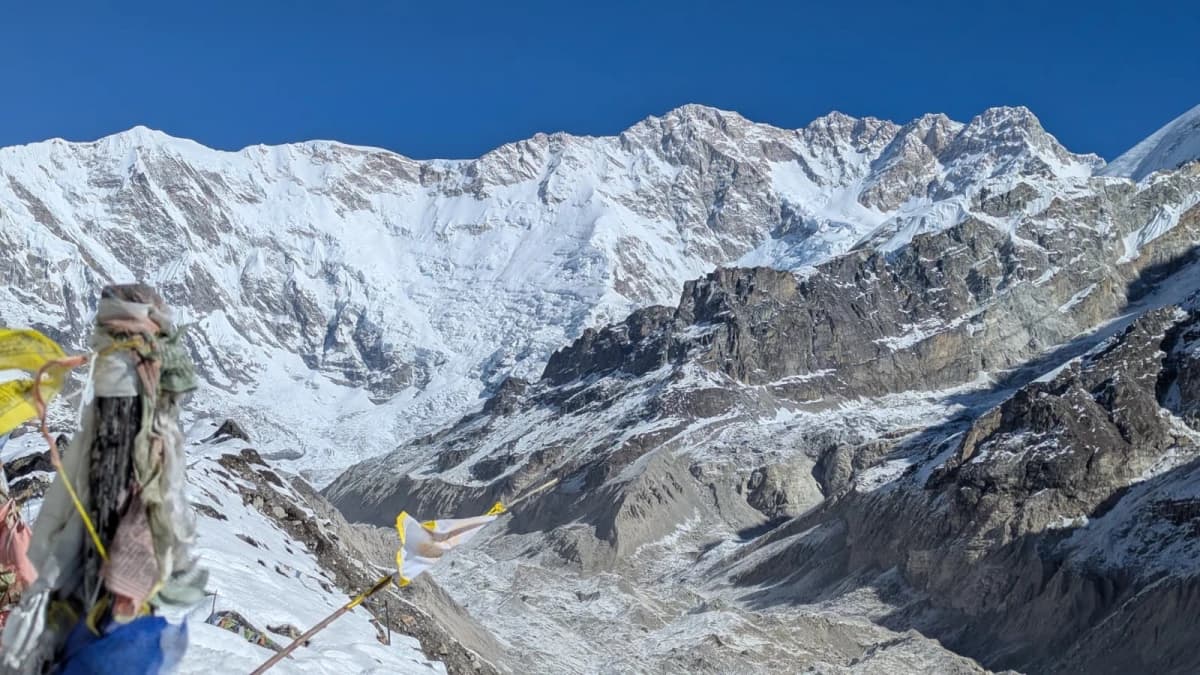
Kanchenjunga Base Camp (KBC) trek is one of the most pristine and remote trekking destination, located in the eastern region of Nepal. Mount Kanchenjunga is the third highest peak in the world standing at an elevation of 8,586 meters. It lies in the far-eastern district of Nepal and borders Sikkim, India. Similarly, Kanchenjunga base camp trek is an off the beaten path and remote trekking experience which lies in the Taplejung district of Nepal. The base camp of the world's third highest mountain itself stands tall at an elevation of 5,143 meters. Licensed Trekking guide required for this Kanchenjunga Trek.
Kanchenjunga base camp is a remote and less popular high altitude trekking adventure in Nepal compared to the Everest Base Camp trek. It is also a longer trek of around 2 to 3 weeks in general than that of a shorter Annapurna Base Camp trek. Due to this reason, it is a high difficulty trek not suitable for beginners.
The entire Kanchenjunga trek route falls under the protected region of Kanchenjunga Conservation Area.The trail offers you exotic biodiversity, flora & fauna along with rich culture and tradition of the Kirat (Rai, Limbu) ethnic people. Of course, along the route, you also witness majestic views of peaks like Mt Kanchenjunga Central, South, West, Tent Peak (5,663m), Mt. Kambachen (7,902m), Mt. Janu (7,710m), etc. including the eight-thousanders like Mt. Everest (8,849m), Mt. Makalu (8,463m) and Lhotse (8,516m).
Actually, there are two base camps on this trail, Kanchenjunga north base camp and Kanchenjunga south base camp. You can trek to either one or do the Kanchenjunga north and south base camp combined, popularly known as the Kanchenjunga Circuit Trek. Usually the Kanchenjunga North base camp (5,143m) also known as Pang Pema is the popular one when trekkers just visit one base camp. And the other base camp is Kanchenjunga South base camp (4,740m) which is also known as Yalung.
Kanchenjunga trekking is an off the beaten path journey which is a bonus for trekkers who prefer less crowd and remoteness. As the trek is not as commercialized as the popular Annapurna base camp trek, you can enjoy fewer crowds, nature and pristine Himalayas untouched by commercialization.
Plus, Kanchenjunga trekking route operates as a restricted area due to its close proximity to Nepal-Sikkim border and to protect its endangered species and ecosystem. Due to this reason, the trail is untouched by development and remains in a true wilderness form. Satellite communication recommended due to remoteness.
Kanchenjunga Base Camp Trekking Highlights
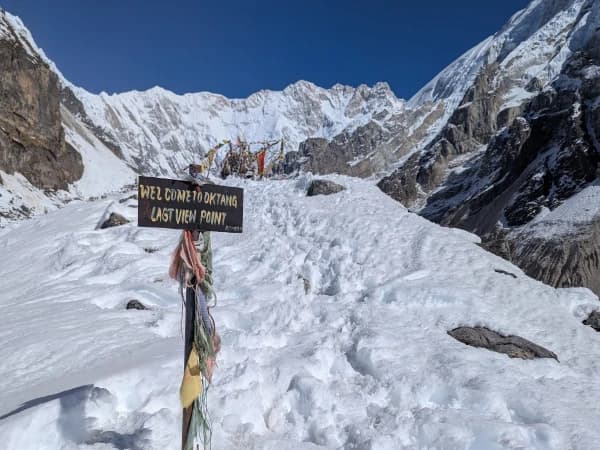
- Reach North Base Camp (Pang Pema) at 5,143m and South Base Camp (Oktang / Yalung) at 4,740m
- See the world’s third-highest mountain, Kanchenjunga (8,586m) from base camp
- Views of peaks like Tent Peak, Janu, Makalu, Kambachen, Everest, and many more
- Trek through the restricted Kanchenjunga Conservation Area in one of Nepal’s most remote and least-crowded trekking routes
- High mountain passes like Sele La and Mirgin La
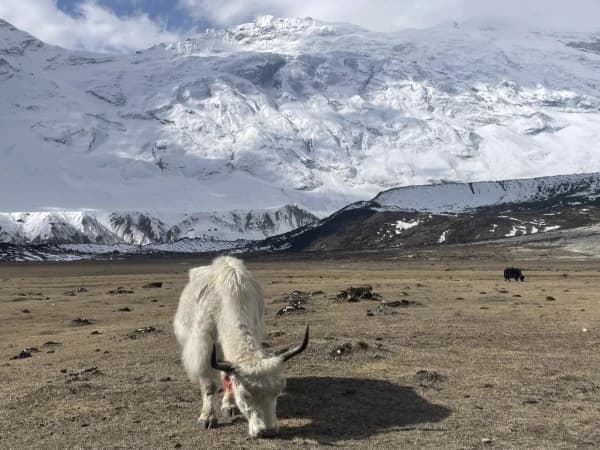
- Rhododendron forests, alpine meadows, glacier valleys, and yak pastures
- Authentic Kirat (Limbu, Rai) and Tibetan mountain culture
- Traditional Himalayan villages, monasteries like Ramtang and Oktang, and prayer flags
- Dramatic Kanchenjunga and Yalung glaciers
- Rare Himalayan wildlife like red pandas, blue sheep and snow leopards
- Wilderness trekking adventure far from commercial trekking routes
How to Reach Kanchenjunga Base Camp?
To reach Kanchenjunga base camp, you need to take a 45 minutes domestic flight from Kathmandu to Bhadrapur which is a city in the eastern lowlands of Nepal. You then take a 6 to 8 hours jeep drive to the village of Taplejung from Bhadrapur. From there reaching Kanchenjunga base camp depends on whether you visit the North or South base camp.
If you are planning to visit Kanchenjunga north and south base camps in a single trek you will need to cross the Sele La Pass (4,480 m) which consists of three passes that are Sinion La, Mirgin La and Sinelapche La pass. You will come across Sele La Pass from Ghunsa when trekking back from the northern base camp to the southern base camp trek route.
How to Reach the Kanchenjunga North Base Camp?
To reach the Kanchenjunga north base camp, you first need to reach Taplejung. You can do that by flying into Bhadrapur airport from Kathmandu and getting on a 6 to 8 hours jeep ride that takes you the village of Taplejung. From Taplejung, you will again have to move towards the northern trail and take a jeep ride to Sekathum. The drive from Taplejung to Sekathum takes another 5 to 6 hours. Upon arriving at Sekathum, you will reach your trek starting point for the Kanchenjunga north base camp. From there you will start trekking towards Amjilosa.
How to Reach the Kanchenjunga South base Camp?
Reaching Kanchenjunga south base camp (Oktang, 4740 m) requires you to fly from Kathmandu to Bhadrapur and take a 6 to 8 hours jeep ride to the beautiful village of Taplejung, similar to that of north base camp. Now the route for south and north base camp differs from this point onwards. To get to the south base camp route, you now need to take a jeep ride from Taplejung to the village of Yampuding. It takes around 5 to 6 hours to get to Yampuding in a jeep. Yampuding is the trek starting point for a south Kanchenjunga base camp trek. You will start trekking to Tseram and eventually reach the Kanchenjunga south base camp through this route.
Kanchenjunga North Base Camp Trek
Kachenjunga North Base Camp trek is a remote and off the beaten path trek that takes you to the northern base camp also known as Pang Pema of Mount Kanchenjunga. The northern base camp of Kanchenjunga stands at an elevation of 5,143 meters which is higher than the southern base camp. It is the more popular base camp out of the two base camps and takes you along the Tamor Rivervalley to the Pang Pema viewpoint.
A trip to Kanchenjunga north base camp, provides trekkers with the main and northern face of the magnificent Mount Kanchenjunga along with other surrounding peaks. Additionally, you will also witness the Kanchenjunga glacier, Ramtang glacier and the Makalu peak. On the northern trail during the ascent to Lhonak from Kambachen, lies the Ramtang monastery. You can also explore Nupchu pond which requires a side trip from Kambachen. From there you can also witness breathtaking views of Mount Jannu from the Jannu Himal base camp after a short side trip.
A side trip from Ghunsa will take you to the Nango La Pass (4,910m) which is the point where the classic Kanchenjunga north base camp trail and Olangchung Gola detour meet. Nango La Pass is a extremely difficult high altitude pass that unlocks raw Himalayan wilderness in the Kanchenjunga region. You can witness sweeping panoramic views of Kanchenjunga, Jannu, Makalu along with some peaks extending deep into Tibet. Crossing this pass leads you through Nango Khola and connects to you the main Tamur River system. Following the flowing river you reach the historic village of Olangchung Gola where time seems to have frozen. Isolated from outside world, the indigenous people practicing Tibetan Buddhism have still preserved their culture, ancient salt trade routes and way of life.
The north Kanchenjunga base camp is more challenging but presents you with a real wilderness experience in the high-altitude region of Nepal. Kanchenjunga north base camp trekking route has a higher influence of Tibetan Buddhism and Sherpa culture with monasteries and chortens along the trail.
Kanchenjunga South Base Camp Trek
Kanchenjunga South Base Camp trek takes you to the southern base camp also known as Yalung base camp of Mount Kanchenjunga. It is the other base camp which is at an elevation of 4,740 meters. The main highlight of the south base camp route is the magnificent Yalung glacier views and Oktang monastery. Additionally, it is easier compared to the trek to Kanchenjunga north base camp.
From the base camp, you get breathtaking close-up views of the south side of Mount Kanchenjunga. Along with that, you also get mesmerizing views of other surrounding peaks like Kabru, Talung, Rathong and so on. Unlike the rocky and alpine terrain of the northern route, the Kanchenjunga south base camp trek features forest routes, river crossings and provides better acclimatization with gradual ascent. You will primarily experience the Kirat ethnic group of Rai and Limbu people and immerse in their culture on the Kanchenjunga northern base camp trekking route.
Kanchenjunga Base Camp Trek Itinerary
The Kanchenjunga Base Camp Trek Itinerary depends on whether you are trekking to the north or the south base camp. However, trekking to either base camp takes around 12 to 17 days. Ultimately both itineraries require you to take a domestic flight to Bhadrapur city followed by a long jeep drive to Taplejung. From Taplejung your Kachenjunga base camp trekking itineraries separate based on the base camp you are going to.
Kanchenjunga North Base Camp Trek Itinerary
- Day 1: Arrival in Kathmandu and hotel transfer.
- Day 2: Flight to Bhadrapur and drive to Taplejung (1,870 m).
- Day 3: Jeep drive from Taplejung to Sekathum.
- Day 4: Trek from Sekathum to Amjilosa (2,500 m).
- Day 5: Trek from Amjilosa to Ghunsa (3,595 m).
- Day 6: Trek from Ghunsa to Khambachen (4,150 m).
- Day 7: Acclimatization day at Khambachen with a hike to Jannu Base Camp (4,400 m).
- Day 8: Trek from Khambachen to Lhonak (4,780 m).
- Day 9: Trek to Kanchenjunga North Base Camp (5,140 m) and return to Lhonak.
- Day 10: Descend from Lhonak to Ghunsa.
- Day 11: Descend from Ghunsa to Amjilosa.
- Day 12: Trek to Sekathum and drive to Taplejung.
- Day 13: Drive to Bhadrapur and fly back to Kathmandu.
- Day 14: Rest day in Kathmandu.
- Day 15: Final departure.
Kanchenjung South Base Camp Trek Itinerary
- Day 1: Arrival in Kathmandu and hotel transfer.
- Day 2: Flight to Bhadrapur and drive to Taplejung (1,870 m).
- Day 3: Drive from Taplejung to Yampuding (1,980 m).
- Day 4: Trek from Yampuding to Tseram (3,870 m).
- Day 5: Trek from Tseram to Ramche (4,680 m).
- Day 6: Acclimatization day in Ramche.
- Day 7: Trek to Kanchenjunga South Base Camp (4,740 m) via Oktang and back to Ramche.
- Day 8: Return back from Ramche to Tseram.
- Day 9: Descent from Tseram to Trotong (3,000 m).
- Day 10: Hike from Trotong to Yampuding.
- Day 11: Drive from Yampuding to Kanyam (1,200 m).
- Day 12: Drive to Bhadrapur and fly back to Kathmandu.
- Day 13: Rest day in Kathmandu.
- Day 14: Final departure.
Kanchenjunga North and South Base Camp Trek Itinerary
- Day 1: Arrival in Kathmandu
- Day 2: Flight to Bhadrapur and drive to Taplejung.
- Day 3: Jeep drive from Taplejung to Sekathum.
- Day 4: Trek from Sekathum to Amjilosa (2,500m).
- Day 5: Trek from Amjilosa to Ghunsa (3,595m).
- Day 6: Trek from Ghunsa to Khambachen (4,150m).
- Day 7: Acclimatization day with optional hike to Jannu Base Camp (4,400m).
- Day 8: Trek from Khambachen to Lhonak (4,780m).
- Day 9: Hike to Pangpema/Kanchenjunga North Base Camp (5,143m) and descend to Lhonak.
- Day 10: Trek back from Lhonak to Ghunsa (3,595m).
- Day 11: Trek from Ghunsa to Sele La Pass (4,480m).
- Day 12: Cross Sinion La, Mirgin La, and Sinelapche La passes to Tseram (3,870m).
- Day 13: Trek from Tseram to Ramche (4,680m).
- Day 14: Hike to Oktang/Kanchenjunga South Base Camp (4,740m) and return to Tseram.
- Day 15: Trek down from Tseram to Trotong (3,000m).
- Day 16: Trek from Trotong to Yampuding (1,980m).
- Day 17: Drive from Yampuding to Kanyam, Ilam (1,200m).
- Day 18: Drive to Bhadrapur and flight back to Kathmandu.
- Day 19: Free day in Kathmandu for shopping and relaxation.
- Day 20: Final departure.
When is the Best Time for Kanchenjunga Base Camp Trek?
The best time to do the Kanchenjugna base camp trek is during Spring (Mar-May) and Autumn (Sep-Nov) seasons. They are considered the best seasons for trekking to the Kanchenjunga base camp due to several factors. Spring offers mild temperatures of around 10°C to 25°C at lower altitudes and around 2°C to 7°C at higher altitudes. It gets colder at night as temperature above 4,000 m elevation drops to -10°C to -20°C. You can see the trail becoming vibrant as wildflowers and rhododendrons bloom during spring. The sky clears and you will experience comfortable trekking conditions.
Autumn is considered the best season for Kanchenjunga trekking. It offers you with crisp air, bright and longer days ideal for trekking in such a scenic region. You also experience moderate temperatures of around 10°C to 20°C in the lower regions and 10°C to -5°C in the higher regions. At night it drops to around -10°C to -15°C above the elevation of 4,000 meters. Autumn provides crystal-clear visibility perfect for witnessing unmatched close-up views of snow capped peaks in the Kanchenjunga region. This also makes it an ideal time for trekkers focused on photography. Harsh winters and monsoon season make trekking unsafe to Kanchenjunga Base Camp.
How Difficult is the Kanchenjunga Base Camp Trek?
The Kanchenjunga Base Camp Trek is considered as a challenging trek with a difficulty grade of strenuous. It has a longer trekking duration of around 15 days in one of the most remote trekking regions of Nepal. You will need to trek through remote villages, off the beaten path as the trail is not as developed as some other trekking routes like the Annapurna base camp routes. The lack of facilities requires you to be ready for a wilderness experience while trekking. If you are not comfortable with such situations it can also be mentally challenging for you.
It is also a physically demanding trek due to long trekking days and in higher altitudes. You will be exposed to elevations higher than 3,500 meters for several days. The maximum altitude on this journey is at 5,140 meters at the Kanchenjunga North Base Camp (Pang Pema). This makes you very prone to altitude related sickness like Acute Mountain Sickness (AMS) even if you have no prior experience with high altitude trekking. Strenuous, remote, requires high fitness and acclimatization for this trekking.
Hence, this is not a beginner friendly trek and we only advise trekkers having some experience with such high altitudes to go for this journey.
Accommodation During Kanchenjunga Base Camp Trekking
Kanchenjunga base camp trekking accommodation features very basic teahouses with limited facilities. It is a remote region and has very basic teahouses and lodges as your accommodation. The facilities like Wi-Fi, hot water, electricity will be lesser and almost nonexistent as you reach higher elevations. It is not developed and well-established as the accommodation in Annapurna base camp trail or the Everest base camp trek.
You will stay at minimal teahouses which are family-run with clean rooms. Also, due to remoteness, even the food on the trail is very minimal. You will get to eat basic yet nutritious meals like Dal Bhat (rice and lentils), veggies, Tibetan noodles (Thukpa), etc. Some teahouses in the lower regions may provide charging and electricity which are solar-powered. To use them, you may be charged around $ 2 to 5 per use while trekking. The accommodation during Kanchenjunga base camp trek may be basic but it gives you a comfortable shelter with warm hospitality of Nepalese people.
What are the Permits Required for Kanchenjunga Base Camp Trek?
Kanchenjunga Base Camp trek requires two permits, Kanchenjunga Conservation Area Permit KCAP and Restricted Area Permit (RAP). Just like every other trek in Nepal, you will need these permits to trek legally to Kanchenjunga base camp which also falls under a conservation area.
Kanchenjunga Restricted Area Permit (RAP)
Kanchenjunga trekking region is declared as a restricted area as it is in close proximity to the border area of Nepal and Sikkim, India. Also, classifying it as a restricted area ensures the protection of the region’s delicate ecosystem and exotic & endangered flora & fauna. The RAP allows the government to monitor and track trekkers and tourism activities in these border sensitive areas. To obtain a RAP, you will need to apply through aregistered trekking agencymandatorily.
Kanchenjunga Restricted Area Permit (RAP) cost:
$20 per person per week for the first four weeks
$25 per person per week after four weeks
Kanchenjunga Conservation Area Permit (KCAP)
The KCAP permit is required to trek legally in the Kanchenjunga trekking routes which fall under the protected region of Kanchenjunga Conservation Area. This permit directly contributes to the preservation of biodiversity and trail management in the trekking region. Your trek operator will get your KCAP permit on your behalf prior to your trek here in Kathmandu. Without the permit you will be denied entry into the Kanchenjunga trekking trail which lies under the conservation area.
Kanchenjunga Conservation Area Permit (KCAP) cost:
NPR 2,000 per person for Foreign trekkers
NPR 500 per person for SAARC trekkers
Kanchenjunga Base Camp Trekking Guide and Porter
You mandatorily need to hire a trekking guide for your Kanchenjunga base camp trek due to legal reasons. As the trekking route falls under both restricted as well as protected regions, you cannot be trekking solo to Kanchenjunga base camp. Having a guide is not only important for legal reasons but also important for safety purposes.
Your trekking guide will manage every logistic in this remote trekking region from accommodation, food, and navigate you safely through the off the beaten trails of Kanchejunga. Moreover, your guide also handles your trekking permits and turns them in for recording at checkpoints.
Also, without a guide, the gap in communication between you and the locals deprives you of the chance of understanding ethnic traditions, culture and lifestyle of the Rai, Limbu and Sherpa people. Hence, hiring a guide is not just mandatory for legal reasons but for making your providing you a hassle free trekking experience. Importantly, you must trek with a licensed trekking guide hired through a registered trekking agency. The cost of hiring a guide for Kanchenjunga base camp trek is around $30 to $35 per day.
Licensed Trekking guide required for this Kanchenjunga Trek. and additionally, hiring a porter for trekking in the Kanchenjunga region is very important which makes your odyssey easier, comfortable and enjoyable. When you don’t hire a guide, you will need to carry around your duffel bag weighing around 15 kgs yourself through the remote, rough and difficult sections of the trail. Not only that but hiking with such a heavy load for over 2 weeks will put your body through physical pain, stress and difficulty.
Your Kanchenjunga base camp trekking porter will carry your luggage which allows you to experience the hike comfortably making the journey seamless. The cost of hiring porters for Kanchenjunga base camp trek is around $25 to $30 per day. Generally, one porter carries the luggage of two trekkers and the maximum ethical weight should be no more than 25 kilograms combined.
How much does a Kanchenjunga Base Camp Trek Cost?
A Kanchenjunga Base Camp Trek costs around USD 1800 to USD 2500 per person depending on the itinerary, service and customizations you choose. A standard Kanchenjunga base camp trek in 2026 costs around USD 2000 per person. The cost varies based on factors like personalized upgrades, level of services, and extra add-ons that trekkers choose. The total per person cost of the trek package generally includes services like your accommodation, meals during trekking days, permit fees, domestic transportation costs, guide and porter costs and thoughtful inclusions like route map, etc.
Also, most trekking operators provide group discounts on the per person cost reducing it by almost $150. You may also receive early booking discounts with some agencies. The final cost of doing the Kanchenjunga base camp trekking depends on the services you require and the trek operator you choose.
What to Pack for Kanchenjunga Base Camp Trek?
Packing for The Kanchenjunga Base Camp Trek requires your travel documents, trekking gear and equipment and a layered packing system to handle temperatures from valleys to high alpine conditions over the elevation of 5,000 meters. You must follow a layered clothing system while packing that divides your clothes into three fundamental layers: Base ,Mid and Outer layers.
Base Layer (Moisture wicking)- This layer is the innermost layer of clothing which you wear during the trek. It needs to be moisture wicking which doesn’t trap sweat causing cold and skin irritation. It should also be light, breathable and quick drying. You need a moisture wicking base layer for both upper and lower body. Pack 2-3 pairs of quick dry shirts and bottoms of merino wool or synthetic fabric.
Mid Layer (Insulation layer)- The mid layer is your insulation layer that traps heat and keeps you warm. You should pack fleece tops and bottoms along with a down jacket for cold temperatures at higher elevations.
Outer Layer- Your outer layer is the hardshell jackets and pants which are windproof and waterproof. It protects you from the freezing wind blowing at negative temperatures as well as keeps you dry from rain or snow.
Along with a layered clothing system, you need to pack your travel documents including Valid passport and Visa, Trek permits, correct trekking gear and equipment as well as lots of Nepalese currency in cash. You won’t find ATMs in such remote regions and your daily payment expenses on the trail must be done in cash. Also, do not forget to pack a sleeping bag as only the blankets provided at the teahouses won’t keep you warm enough.
FAQs
1. How difficult is the Kanchenjunga North Base Camp Trek?
Kanchenjunga north base camp trek is a difficult trek, which is considered as a challenging to strenuous trek. The trek route takes you through remote trails, limited teahouses and to the maximum altitude of 5,143m at Pang Pema.
2. How difficult is the Kanchenjunga South Base Camp Trek?
Kanchenjunga south base camp trek is considered as a moderate to challenging trek in terms of difficulty. The south base camp route features forest trails, gradual ascent and lower maximum altitude of 4,740m. It is less remote than the northern route. However, it is still a challenging trek and complete beginners aren't advised to go on this journey.
3. How long is the trek to Kanchenjunga Base Camp?
The Kanchenjunga base camp trek is of around 12 to 17 days depending upon your itinerary, pace, acclimatization needs and trekking route.
4. How much does it cost to trek Kanchenjunga Base Camp?
As of 2026, Kanchenjunga base camp trek cost ranges anywhere from USD 1800 to USD 2500 per person which varies based on itinerary, trek operator, group size and level of service that you choose.
5. Is there risk of altitude sickness during Kanchenjunga Base Camp Trek?
Yes, you will face the risk of altitude sickness during your Kanchenjunga base camp trek. The trek reaches its highest elevation at 5,143 meters at Pang Pema (north base camp) and exposes you to higher altitudes of over 3,500 meters for several days. To minimize the risk of altitude sickness, trek gradually, follow a steady pace, drink enough water, acclimatize properly and pay attention to early symptoms and tell your guides about it.