You come to Nepal for the mountains.You should stay for its jungles!
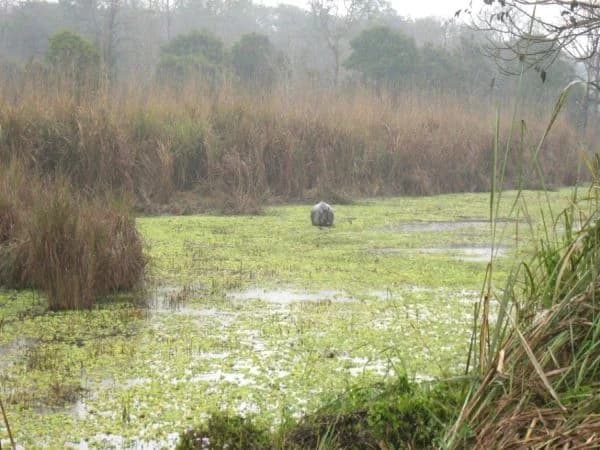
Chitwan Jungle Safari Package - 2 Days
2 Days
10

You come to Nepal for the mountains.You should stay for its jungles!
A Jungle Safari in Nepal puts you inside real wildlife habitat and not a zoo. You ride a jeep through tall grass, riverbanks and sal forests. You track rhinos, deer, crocodiles and if you are lucky even the Bengal tiger. The experience is raw and close with nature in its natural habitat.
Most safaris happen in Chitwan National Park and Bardia National Park. Each park offers different terrain, crowd levels and chances of spotting wildlife. Chitwan is the most accessible. Bardia is quieter and more remote. Every turn feels unpredictable. One minute you see spotted deer. Next you hear alarm calls and your guide tells you a predator is near.
Nepal’s lowlands of Terai, hold some of the best wildlife habitat in South Asia. These parks protect rhinos, elephants, gharial crocodiles and over 500 bird species. Conservation efforts brought the one horned rhinoceros back from near extinction. Today you can see them grazing just meters away with their calves playing in the mud.
A wildlife safari also shows you a different and lesser known side of the country outside the high altitude trekking. You visit Tharu villages. You learn how people live alongside wildlife. You watch sunsets over river grasslands instead of mountain peaks.
This guide helps you choose the right park, plan the best season, understand safari activities and pack what you actually need for a perfect wildlife holiday without any guesswork. Just clear steps so you can enjoy the wild side of Nepal.
A Jungle Safari in Nepal is a guided wildlife tour inside protected national parks in the southern lowlands of Terai region. You explore wilderness and grasslands by jeep, canoe or short nature walks deep into the real habitat of wild animals and predators. You go with trained naturalists who track animals and explain behavior, habitat and conservation work.
Jungle safari tours in Nepal focus on real wildlife and not staged sightings. The country protects rare species like the one horned rhinoceros and the Royal Bengal tiger in their natural habitat. Nepal now holds more than 750 rhinos, up from fewer than 100 in the 1960s due to strict conservation programs. Bird lovers also come here. Over 500 bird species live in these lowland parks.
Nepal hosts the jungle safari experiences in major protected regions of the Chitwan National Park and Bardia National Park. These areas protect floodplain ecosystems, sal forests and river systems where wildlife moves freely. You spend your day searching for animals, not rushing between stops. A typical safari holiday includes jeep drives, canoe rides on the Rapti or Karnali rivers, birdwatching and visits to Tharu cultural villages. Safaris run year round, with the peak visibility from October to March when grass is low and weather stays clear.
People choose a jungle safari in Nepal to see wildlife up close without extreme travel. No long treks. No climbing. You stay in lodges near the park and enter the forest with permits and guides. It is one of the easiest ways to experience Nepal beyond the Himalayas while still seeing something rare and wild.
Nepal serves a unique and special experience for a jungle safari as you get rare wildlife sightings in a small, accessible area. You do not travel for days to reach it. Major parks like Chitwan National Park sit a short drive or flight from Kathmandu. Biodiversity is the core reason people choose a wildlife tour in Nepal. You are not looking at one species. You are stepping into a complete ecosystem.
You see endangered species that few countries protect successfully.
The lowland terrain improves wildlife sightings.
The parks feel less crowded than many global safari destinations. In Bardia National Park you can spend hours without seeing another vehicle.
Culture is a big part of the jungle safari.
Nepal is the best destination for jungle safari tours because you can combine wildlife adventure, snow-covered mountains and cultural heritage sites with a single trip. Few countries offer both within a week. You can go from tracking rhinos in the lowlands then seeing the Himalayas with flights up north.
The cost of a jungle safari in Nepal is very cheaper and affordable than other safari destinations. The warm hospitality of the locals makes your stay in Nepal unfortgettable. Park fees, guides and lodges remain affordable compared to Africa or South America. That mix of diverse wildlife with easy accessibility, cheaper rates, hospitality, heritage sites and mountains make Nepal the top-notch destination for a safari tour.
Yes, a Jungle safari in Nepal is very safe as it runs under strict park rules and trained guide systems. During my jungle safari experience in Chitwan national park, I noticed very strict regulations. We had to enter the protected area with an expert naturalist guide and with proper permits. Thankfully, a mandatorily guide was what made my wildlife adventure inside the park feel safe and enjoyabale.
With his presence, I felt safe and taken well care of. I was amazed by their profound knowlegde of the entire ecosystem including including animal behavior and pattern. He knew about proper routes for safari as well as guided jungle walks. With a call from park authority, he stopped our jeep immediately and told me to wait in silence with a real time update on wildlife movement ahead. Minutes later what I saw shocked me. A bengal tiger crossed the road ahead of us and I was very grateful to get a glimpse of such a magical creature. Proper safety protocols and guides with immense knowledge about the wildlife make a jungle safari in Nepal very safe, adventurous and knowledgeable.
You stay safe during a Jungle safari in Nepal when you strictly follow the protocols of the protected region and listen to your nature guide. Abiding by the rules provides the safest jungle safari experience while spotting wild animals right in front of your eyes.
Wild animals live here. When you respect and follow the rules, the risks stay low. Problems happen when visitors ignore instructions. Listen to your guide. Do not stand up in the jeep. Do not approach animals. Do not make noise. Any disturbance to their natural environment can result to be dangerous. It's a jungle not a zoo where they are limited so respecting the protocol is a must.
Health and environment are also manageable. The Terai climate stays warm, so you need hydration and sun protection. Lodges provide clean food and filtered water with medical help easily available in nearby towns.
Thousands of visitors take jungle safari tours in Nepal every year without incident. You are safe as long as you follow the safari safety system.
You can go for a jungle safari tour in Chitwan or Bardia national park with your family to spot wild animals with several safari activities. Jungle safari is very safe even though the thought of hanging around wild animals in their natural environment might feel scary. A jungle safari in Nepal with family, including children and even elders offers epic wildlife activitieswith absolute safety and comfort. It doesn’t involve activities which are physically demanding. Most exploration happens by jeep or boat.
You do not need trekking experience. You sit, observe and follow guide instructions. That makes it suitable for mixed age groups. It is accessible and well managed which gives the best of both worlds to visitors in wildlife sightseeing as well as safety.
Parks control entry times and routes. This keeps activities predictable. Families can plan rest between safaris or explore the traditional villagesides. Nepal jungle safari works well as a family trip because it combines wildlife, culture and comfort without extreme travel demands.
The best time for a jungle safari in Nepal is during the dry season from October to May. It is quite the opposite to trekking season. Dry season flourishes as the peak season for wildlife safari tours as you get clear skies, lower grass and better wildlife sightings. Setting the time for jungle visit correctly, makes the entire difference between an average safari and a good one. The best time for jungle safari tours in Nepal is about wildlife behavior and weather patterns. It is good to plan according to what matters to you the most between raw wildlife sightings and experience or comfort.
This is prime safari season and here are the reasons why it works. The monsoon ends, temperature in the hotter lowlands is comfortable from around 15 to 25°C and most importantly, water sources start drying up. As smaller waterholes disappear, wildlife concentrates around permanent rivers and remaining pools. This makes wildlife sightings more easier and predictable. It gives the perfect conditions for an enjoyable jungle safari experience. Also, the grass gets cut or burned in many areas resulting in lower grass. This improves visibility dramatically.
These seasons bring scorching heat in the lowlands of Terai as temperature rises from around 30 to 40°C. But don't dismiss this period just yet. The extreme heat drives the wild animals to water sources and they're more active during the early morning and late afternoon. Wildlife viewing can be excellent, particularly for big cats. One upside of this season is the beautiful scenery and vibrant environment due to the spring season. This gives you perfect photography opportunities.
It is the monsoon season and unless you're specifically interested in birds and don't mind leeches, rain, humidity and limited wildlife visibility, skip this period entirely. Many lodges close, roads become impassable and the jungle is at its most impenetrable. The parks are officially open, but it's miserable. The safari routes become slippery as heavy rain brings in mud and debris. It can be a good time for birdwatching but for wildlife sightseeing it is not optimal at all. The jungle is at its wildest during monsoon but comes with several logistical challenges.
Bardia and Chitwan National Park offers you some of the most adventurous and thrilling safari activities to spot and enjoy wildlife. You have multiple ways of exploring the national parks during a wildlife safari in Nepal. Each activity offers a different view of wildlife, forest and culture. You can combine activities based on your schedule, energy and interest. The best jungle safari activities in Nepal's Bardia and Chitwan national park are jeep safari, jungle walks, canoeing, birdwatching and a cultural Tharu village tour.
Jungle safaris in Nepal are not just about spotting big animals. They take you on an adventure. You spend time in real habitats, not just tourist spots. Activities are guided, safe and suitable for families, groups or solo travelers. You can do a full-day safari or mix short activities over 2 to 3 days. Each activity adds a new layer to your experience, making the safari diverse and feels hands-on. This makes a jungle safari in Nepal more than a drive through the forest. You see wildlife, understand ecosystems and connect with local culture.
During a jungle Safari in Nepal, the protected regions offer diverse flora and fauna. A wildlife safari offers sightings of some of the most exotic and endangered animals such as one-horned rhinos, Royal Bengal tigers, wild Asiatic elephants, rare Gharial and Mugger crocs, black bear, Himalayan sloth bear and so on. Additionally, you have a chance to see over 500 species of migratory, resident and unique birds in these national parks during a jungle safari. The richness in biodiversity and vegetation creates opportunities to experience diverse wildlife thriving in its natural habitat.
One Horned Rhinoceros
This is the animal most visitors actually see. Nepal gives a home to more than 750 one horned rhinos, mainly in the lowland parks. You see them grazing in open grasslands and resting near water. Jeep safaris often spot them within a few hours with their calves playing in the mud.
Asian Elephant
Wild Asian elephants move in herds through forest corridors. They are more unpredictable than the rhinos. Early morning drives increase your odds. You need to keep your distance because they charge without warning.
Royal Bengal Tiger
You go to the jungle hoping to see the apex predator of Nepal’s jungles. Nepal has doubled their wild tigers number in the last decade. They live mostly deep inside the forests of protected parks. Spotting them is quite rare however you can see fresh pugmarks and scratches of their claws on tree trunks.
Sloth Bear
The bears live and hide in dense forests. Only coming out for food as they feed on termites and fruits. They are hard to find but possible in quiet zones. Guides track claw marks and dig up soil to locate them.
Leopard
Leopards live in many park areas and are extremely hidden. Hunting at night and resting during the day. You see them rarely in the daylight. Night drives or lucky daytime sightings near forest edges make it possible.
Gharial Crocodile
You find them along clean river systems. Nepal runs breeding programs to protect them. They stay still on sandy riverbanks. Canoe rides give clear views without disturbing them.
Deer Species
Spotted deer, sambar, barking deer, and hog deer are everywhere. They form the base of the food chain. If you see many deer, predators are nearby. Early mornings bring large herds into open fields.
Wild Boar
Wild boar roam in groups and feed near forest edges. They are active at dawn and dusk. Farmers consider them a crop threat outside park zones. Inside the park, they are easy to spot.
Birds
Nepal records over 900 bird species. Lowland parks alone host more than 500 species. You can see hornbills, kingfishers, storks, and eagles in one trip. Bring binoculars if you care about details.
Marsh Mugger Crocodile
This crocodile species lives in wetlands and rivers. It looks bulkier than the gharial. You often see them sunbathing on riverbanks. Boat safaris offer the best angle for photos.
Chitwan National Park and Bardia National Park are two of the best jungle safari destinations in Nepal. Chitwan takes the crown for easier accessibilty and one-horned rhinos whereas Bardia is best known for remoteness and higher Bengal tiger sightings. Nepal’s wildlife safaris take place in the lowlands of Terai region. The parks protect the biggest wildlife population of the nation. Apart from those two parks, there are several other jungle safari destinations in Nepal such as Koshi Tappu Wildlife reserve and Shuklaphanta National Park. However, the highlights of those parks are bird-watching and swampdeer (Barasingha) rather than apex predators like the Bengal tiger. These destinations are perfect for laid-back and comfortable widlife activities such as boating safari, birdwatching and looking for Barasingha, axis deers, hog deers, etc.
Such parks have conserved the endangered wildlife in their natural habitat. Wild animals like the tiger, rhino, elephant, leopard and numerous rare bird species are thriving in their natural home under the protection of such parks, conservation areas and so on. These kinds of activities have prevented illegal hunting and poaching of these exotic animals. Which has made Nepal an example to the entire world how knowledge, protection and conservation of nature and its species helps the entire wildlife flourish. You will see the success of such conservation efforts while on a wildlife holiday in Nepal’s major safari destinations.
Home to rare wildlife, Chitwan National Park spans 952 square kilometers in southern Nepal. Recognized as a UNESCO world heritage site since 1984, it shelters a vanishing type of Asian lowland forest. It is also the first national park of Nepal. Roughly three quarters of Nepal’s 750 one-horned rhinos find refuge within its borders. Tigers number over 120 across the country from them many roam these dense thickets.
Five or six hours on roads bring you to Chitwan from Kathmandu or Pokhara. Every day, tourist buses make the journey without fail. Flying into Bharatpur? That part lasts just twenty minutes. After landing, a short ride leads to Sauraha where most safari trips begin.
Most people show up hoping to see the one-horned rhinos. These animals feed out in wide grassy areas, sometimes close to river edges. Inside thick woods lives the Royal Bengal tiger and each one moves across a stretch of land it knows well. Spotting them takes patience, plus several trips through their habitats. Far off among the trees, sloth bears wander alongside leopards and wild elephants. Gharial crocodiles slide through rivers where marsh muggers sunbathe near the Rapti river. Deer move quietly between them, different kinds stepping lightly. More than 500 types of birds have been seen here. Looking for them and spotting them is a birdwatcher’s favourite activity. Chitwan's tiger sighting probability hovers around 5-10% even on a three day visit. The big cats have learned that jeeps mean humans and they've adapted by staying deep in the forest.
Through the heart of the park, jeeps carry you deep into restricted zones. Along the Rapti River, quiet paddling reveals basking crocodiles. You take a canoe ride on the Rapti River to spot crocodiles and water birds. You join a guided jungle walk to learn about tracks and habitat. You visit the Elephant Breeding Center to see rescued and trained elephants and learn about conservation programs. A stay of at least two nights is fruitful for a Chitwan Jungle Safari. More drives mean better odds of seeing larger and more rare wildlife.
| Getting There | 5 to 6 hour drive / around 30 minutes flight from Kathmandu |
| Top Wildlife | One-horned rhino, Royal Bengal tigers, elephants, deer, monkeys, birds, gharial and marsh mugger crocodiles, and so on. |
| Activities | Jeep safari, Guided nature walks, Canoeing in Rapti river, Birdwatching, Elephant breeding center visit, Tharu cultural program, etc. |
| Crowd |
More popular and crowded |
In Nepal's southern plains, sits Bardia National Park, stretching across 968 square kilometers in area. Its vastness is shaped by thick woods, open meadows and winding rivers. The number of tigers in Bardia national park is just a few less than that in Chitwan national park. Elephants roam freely here, sharing space with swamp deer that graze near water edges where gharials lie still like ancient relics returned to life. Bardia National park is still the more remote and less accessed protected region.
Bardia lies a full day's journey by road from Kathmandu. A short flight lands you in Nepalgunj after an hour or so. From that point onward, three more hours of driving brings you to the park entrance.
Big animals and raw wilderness draw people to this place. Compared to the famous and easily accessible Chitwan, Bardia jungle safari offers less crowd and more pristine wildlife. Inside the thick forests, tigers move around often, rhinos appear too, followed by wild elephants, sometimes a sloth bear crosses your path, while several kinds of deer stay nearby. Birdwatchers find more than 400 types recorded here. Near rivers, gharials rest in slow water, muggers lie low in wetland spots. The park protects the endangered swamp deer (barasinghe) as well as Gangetic dolphins in the Karnali River.
Deep in the heart of the reserve, jeep safaris take you through untouched core areas. Along winding river paths, canoes glide past crocodiles taking sun baths on muddy banks. An armed guide leads you in a jungle walk tracking footprints and droppings of wild animals. In Bardia, the 20-30% sighting probability of Bengal tigers over three days is reality as the park is quieter, the guides actively track rather than just drive routes and the tigers haven't been conditioned to avoid vehicles.
| Getting There |
12 to 14 hour drive / around an hour flight from Kathmandu followed by a drive to the starting point |
| Top Wildlife | Royal Bengal tigers, swamp deers, one-horned rhinos, wild elephants, gharial and mugger crocodiles, Gangetic river dolphin, and so on. |
| Activities | Jeep safari, guided walking safari, canoeing or rafting in Karnali river, Birdwatching, Tharu cultural program, etc. |
| Crowd |
Less popular and less crowded |
Both safaris are done in the national parks situated in the lowlands of Nepal. However, Chitwan and Bardia jungle safari both have a difference of night and day.
Pros:
Cons:
Pros:
Cons:
Accommodation during jungle safari in Nepal are mostly available on standard jungle lodges that operate in buffer zones close to the national park. Most travelers picking Chitwan choose Sauraha as their base camp. Over in Bardia, the stays are near Thakurdwara and spread into quieter regions along the Karnali river.
Pick a spot that fits your budget. The national parks of Nepal offer a broad range of lodging options based on your budget. The accommodation varies from simple cabins, comfy resorts, to high-end jungle stays. Some places sort out food, local experts to show you around, plus rides from nearby villages to their place. Tents and eco-camps give just enough sleeping space, cooked dishes and warm showers.
Inside or close to buffer areas means morning safari trips begin sooner, maximizing wildlife sightings.
You can't just show up in Nepal's jungle in your city clothes and expect everything to work out. Here's what you actually need to know and bring.
The jungles of Nepal are the main event of their own. Hiding in plain sight under everyone’s radar, the lowland forests of Terai are home to some of nature’s wildest animals and top predators. In the time when everyone is busy trekking the mountains, the jungles are isolated waiting to welcome you.
From Royal Bengal tigers, the one-horned rhinos and the wild elephants all are here, waiting for you to show up. Not only them, but more than 200 species of mammals and over 800 bird species, Nepal’s jungles are a paradise in plain sight for someone who loves experiencing nature in its true and raw habitat. Just remember, the jungle doesn't owe you anything. Some days you see animals. Some days you see tracks and some days you see absolutely nothing and come back muddy, sweaty and somehow more satisfied than if you'd seen everything on your checklist. That's what makes it worth doing.
So manage your time and go see what Nepal's jungle has to offer.
1. Which park is better for tiger sightings during jungle safari?
Though the number of tigers in Chitwan is greater than in Bardia by few, Bardia national park still provides the higher chances for tiger sightings during jungle safari as Bardia is quieter, wilder and less disturbed.
2. How many days should I spend on a jungle safari in Nepal?
You need at least 2 nights and 3 days. One day is too short. Three nights give time for multiple drives and higher chances to see rhinos, tigers and elephants.
3. Is it safe to do walking safaris in Nepal's national parks?
Yes, with an expert naturalist, trained and armed guides, walking safaris are safe. Stay on trails and follow instructions. Walking safaris let you see animal tracks, birds and smaller wildlife safely.
4. When is the best time for jungle safari in Nepal?
The best time for Nepal wilderness holiday is during the dry season from October to March.
5. Can I visit both Chitwan and Bardia in one trip?
Yes, combining Chitwan and Bardia in one trip is possible but requires longer days of around 6 to 7 for the best experience.
6. Is Nepal jungle safari suitable for kids?
Yes, families can do jungle safari in Nepal safely. Jeep safaris and canoe rides are kid-friendly. Avoid long jungle walks with very young children. Short drives and guided activities work best.
.webp&w=3840&q=75&dpl=dpl_HXZgR2UAtJU9JSbMerrDAUd4dkHx)