Exploring Dolpo - Nepal’s Remote Trails & Ancient Himalayan Culture
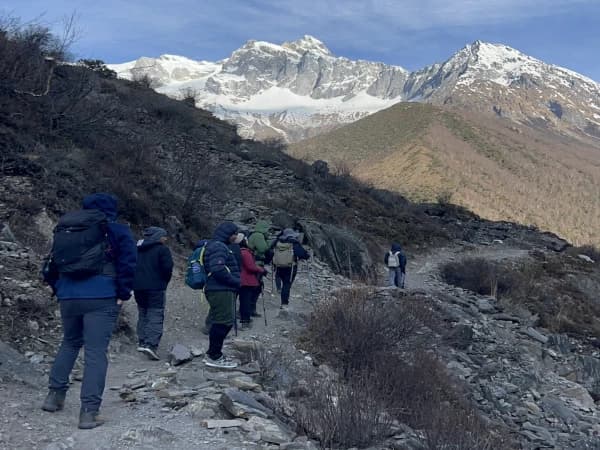
In the far northwestern corner of Nepal, the Dolpo Trek remains as one of the most remote and unspoiled trekking regions of the Himalayas. This hike takes us truly off the beaten path into a part of the mountain region in Nepal which has been the same way since ancient times where traditions reflect the daily life of people blending with pristine landscapes that only a few trekkers witness. The Dolpo trekking region lies in the rain shadow area of the towering peak of Mount Dhaulagiri with its borders connected Tibet up in the north. Dolpo Trek falls under the Dolpa and Mugu districts of Nepal which lie in the far western region and are remote with difficult accessibility. This geographical location of the trekking region has kept Dolpo Trail isolated from modernity and crowd which makes it one of the most culturally preserved hiking trail areas in Nepal. To reach the trailhead of this high altitude trek in Nepal we require multiple flights and long days of walking. There are no roads, no crowded teahouses and developed logistics at every trail stop unlike treks like Everest Base Camp or Annapurna Base Camp. Instead of these peace, isolation and challenging experiences await us in this Dolpo Trek which is a Himalayan wilderness that rewards us with an unforgettable adventure of our lifetime. If you are short on time for this longer trek journey there is another gem of an option which the Kanchenjunga Base Camp trek offers us similar feeling of isolation and remote wilderness in the Himalayas.
Being completely disconnected from the modern world, Dolpo region is very remote. Here the villages receive supplies just a few times in a year due to which the local people living here still practice subsistence farming for their daily lives. They follow the footsteps of their ancestors and trade salt with Tibet as a way to earn livelihood. This disconnect and isolation from the modern world has preserved the authentic and ancient way of life in Dolpo that has disappeared from everywhere else making our Dolpo trekking experience feel like a completely different world. Unlike the trails of Langtang Circuit which is crowded, developed and facilitated, Upper Dolpo Trek and Lower Dolpo Trek offers us true solitude and remoteness. We go on trekking for days without even seeing another trekking group in sight, making us feel alone at that high altitude. This amount of isolation and solitude while experiencing high altitude trekking with mountains and timeless culture is what makes Dolpo Trek so special for those of us who are seeking an authentic off the beaten path trek experience in Nepal.
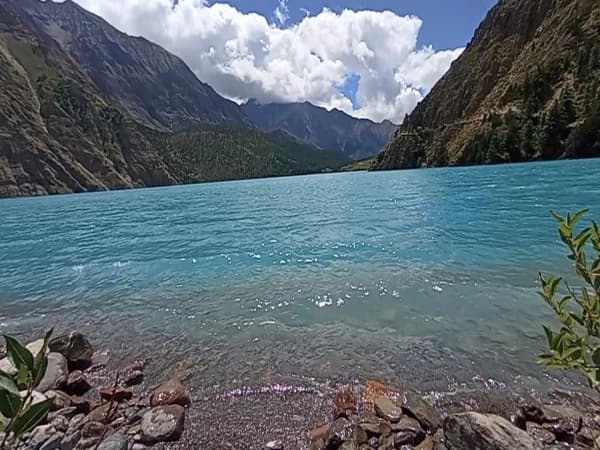
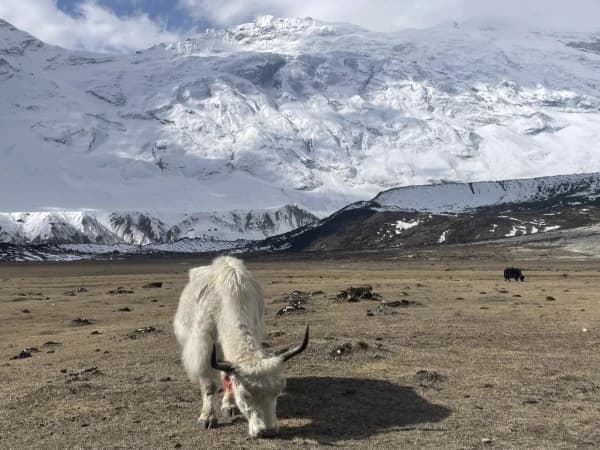
Dolpo Trek features breathtaking landscapes with pristine natural beauty which makes us feel like we are experiencing something out of this world. The remote trekking region is also home to Shey Phoksundo Lake which is Nepal's deepest and most beautiful lake. The lake is surrounded by lush pine forests and snow capped peaks with deep turquoise colored water which is magnificent. This scenery creates a surreal sight which almost doesn't feel real. The Phoksundo Lake trek component in the Dolpo region alone gets so much attention just because of how magical it is. Outside the beauty of the lake, the terrain of Dolpo shifts into something completely unexpected. The landscape and terrain in the higher altitude region feels like a desert due to the rain shadow region of the Dhaulagiri range. We hike through verdant valleys where yaks graze, clear and icy glacial streams and rocky mountain terrain which tests our physical fitness.
The Dolpo trekking region also lies under the Shey Phoksundo National Park which is Nepal's largest national park. Due to this reason we need a permit for trekking in this protected area which conserves the biodiversity, wildlife and ecosystem of this region. During our trek we may spot rare and exotic animals like the Snow Leopard, Blue Sheep, Himalayan Musk Deer and even the Tibetan Wolf. There are 200 species of medicinal plants and countless species of birds who call the national park region their home which makes it a heaven for nature enthusiasts wanting to experience pristine wildlife and biodiversity.
Dolpo Trek Nepal difficulty is up there with some of the most difficult treks in Nepal. With long and tiring days of trekking in high altitude Himalayas this adventure is not recommended for beginners. We need strong physical fitness and endurance along with high mental resilience as this journey takes us into high altitude mountain passes and terrains over 5,000 meters for which we need to acclimatize properly. A Lower Dolpo trek usually takes us about 18 to 21 days while doing the full Upper Dolpo circuit trek can take us nearly a month which is even more tougher than another wilderness trekking like the Manaslu Circuit trek. The remoteness, limited to no logistics, higher altitude and a month-long trekking duration makes this one of the most difficult treks in Nepal. Every step that we take is challenging but rewards us with unforgettable and breathtaking landscapes, Shey Phoksundo Lake, Tibetan culture, and the rare feeling of exploring Nepal’s hidden Himalayas.
The best time for trekking in Dolpo is during the seasons of late Spring and Autumn. The weather duration is very limited in this trek as only a few seasons provide good conditions to travel and hike here throughout the whole year. In autumn, from September to November after the monsoon clears out the conditions for trekking are ideal with stable weather, crisp air, stunning visibility. In late spring, from May to early June the conditions are excellent with wildflowers blooming everywhere in the valleys, vibrant and colorful scenery with Rhododendrons and pine trees near Shey Phoksundo lake. However we do need to expect unpredictable weather and possible snow on high passes during our adventure. We should avoid winter and monsoon seasons as there is heavy snowfall, temperature falling to negatives, and slippery trails that make crossing high passes very improbable.
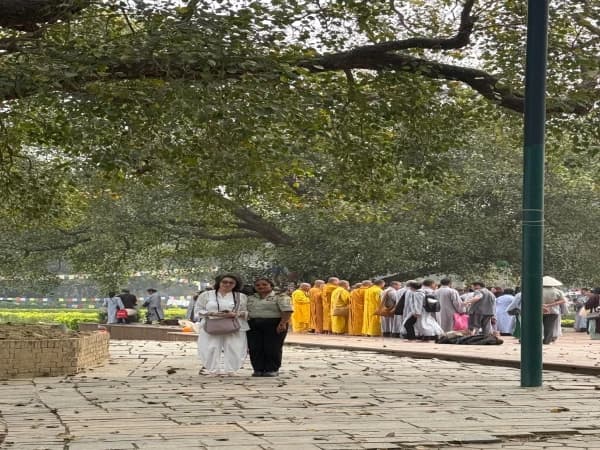
Trekking in the Dolpo region is not just for conquering high passes, difficult terrain and mountains but it is also a spiritual journey into a unique and ancient culture. Local people of Dolpo region still follow the Bon religion which is a pre-Buddhist tradition with their daily lives reflecting and revolving around the spiritual practices and traditions which are ongoing for centuries. When we walk through villages like Ringmo, Pugmo, and Shey Gompa it feels as if we are taking a step back in time with prayer flags, mani walls, and centuries-old monasteries at every turn. Shey Gompa, which is also called the Crystal Monastery, is a sacred site for pilgrims and a highlight of the trek.
The Dolpo region trek in Nepal is primarily divided into two unique areas being Upper Dolpo Trek and Lower Dolpo Trek with each of them offering different landscapes, cultural experiences and challenges.
The Lower Dolpo Trek is slightly more accessible to us as it is less remote and off the beaten path than the upper Dolpo region. This trek circles Shey Phoksundo Lake, taking us through cultural villages like Juphal and Dunai within Shey Phoksundo National Park area. We enjoy stunning lake views, high altitude desert landscapes, and encounters with local communities practicing the Bon religion in this journey. The trail is moderately challenging with the availability of basic teahouses in some villages and usually takes us 18 to 21 days to complete this trek. It is an excellent introductory trek for us to experience a shorter adventure rich in culture and natural beauty in the Dolpo region.
The Upper Dolpo Trek takes us deeper into the wildest and most restricted parts of the magnificent Dolpo region. The terrain takes us through rugged, remote high mountain crosses such as Kang La (5,151 meters) and Neng La (5,368 meters) with visiting sacred sites like Shey Gompa and Crystal Mountain, and exploring villages where outsiders are rarely seen. This trek is very long with an excruciating trekking duration of 28 to 32 days with more physical and mental demand, full camping accommodation and an immersive cultural experience. We witness authentic Tibetan Bon religion and its traditions in communities untouched by mass tourism.
How To Reach The Dolpo Trek Nepal?
The journey starts on the Dolpo Trek from Kathmandu, the bustling capital city of Nepal. From there the quickest way to Dolpo region is by boarding a domestic flight from Tribhuvan International Airport to the city of Nepalgunj which is an important city in the Terai region of western Nepal. The flight takes around an hour to reach Nepalgunj from Kathmandu. Once we reach Nepalgunj airport we then board another flight which is a small local flight from Nepalgunj to Juphal which leads us to the main trailhead of both the Upper Dolpo and Lower Dolpo treks.
We can also choose to get to the starting point of the trek by road. For those of us who enjoy the adventure of the open road, enjoying a scenic view with some bumpy sections yet long travel time we also have another option for getting to Dolpo. We can take a drive from Kathmandu to Nepalgunj which takes roughly 12 to 14 hours depending on various factors such as road, weather and so on. Once we reach Nepalgunj we continue ahead by jeep or local bus to Dunai or Juphal which depends on road conditions. This option certainly takes us a longer time but lets us experience the remoteness of the trek beforehand.
Why Should We Trek In The Dolpo Region?
- Witness the breathtaking Shey Phoksundo Lake which is Nepal’s deepest alpine lake, surrounded by turquoise and freezing waters and high desert landscapes.
- Explore the wild and remote Upper Dolpo region, crossing high passes like Kang La and Neng La with panoramic Himalayan views.
- Soak in stunning views of major Himalayan ranges and peaks, including the massive Dhaulagiri massif, Kanjiroba Himal, Kagmara Range, Crystal Mountain (Shey Ribo Drukta) alongside unnamed high peaks and dramatic Tibetan Plateau landscapes.
- Visit the sacred Shey Gompa and Crystal Mountain which is a 900 year old monastery central to Bon and Buddhist spirituality and religion.
- Immerse in authentic Tibetan-Bon culture through rituals, local festivals, mani walls and traditional villages like Ringo, Pugmo and Shey Gompa and the lifestyle of people.
- Trek through off the beaten path into the rugged high altitude passes above 5,000 meters and experience Nepal’s hidden Himalayas and untouched wilderness.
- Meet remote communities largely untouched by tourism and enjoy the warm hospitality with their hearty food like Tsampa and Butter Tea.
- Experience the rich and well conserved flora and fauna of Shey Phoksundo National Park with chances to spot Snow Leopard, Himalayan Brown Bear, Blue Sheep, Musk Deer, Red Panda, Himalayan Monal along with colorful Rhododendron forests with valuable medicinal herbs which are thriving in the protected area.
Dolpo Trekking Difficulty And Altitude Sickness Chance
How challenging is Upper and Lower Dolpo is a question we need to ask ourselves before thinking about trekking in Dolpo. Situated in one of the most remote places in Nepal this trek will challenge us both mentally and physically with its tough and excruciating demands in the high altitude.
With a duration of around 15 to 20 days in most of the Lower Dolpo trek, the region is moderately difficult to strenuous. Each day we have to continuously walk for around 6 to 8 hours on difficult terrain, crossing high passes like Numa La and Baga La taking us into an altitude where the air is very thin causing the high risk of altitude sickness. Lower Dolpo trek requires us to have a very good physical fitness along with high mental resilience as the long trekking days in the high altitude air will make us feel exhausted. The facilities and logistics are also very basic due to the remoteness of the region. There are a very limited number of lodges in the lower altitude region of the trek and the need for acclimatization is very serious.
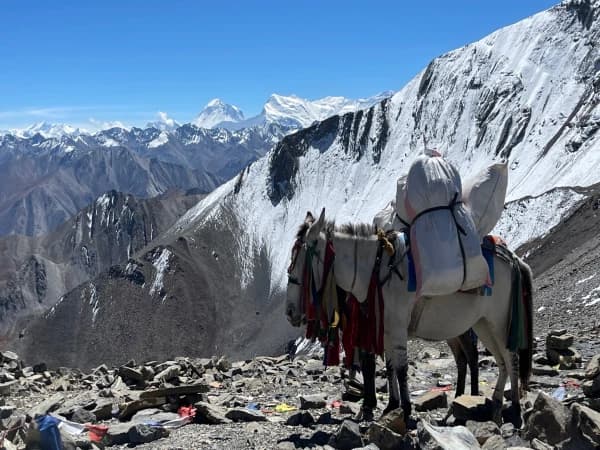
In the Upper Dolpo Trek, we are exposed to altitude above 5,300 meters from sea level while hiking. The difficulty of this trek is graded as strenuous to very challenging as we have to trek for around 24 to 28 days in this region. Trekking for almost a whole month in the upper Dolpo altitude of 5,300 meters and above through high passes like the Kang La pass. Trekking in Upper Dolpo is definitely more challenging and demanding as we have to trek for around 7 to 9 hours each day in the rugged tough terrain, extreme remoteness with no sight of any other trekking groups sometimes even for days. It involves us repeatedly climbing over high passes above 5,200m, making this a true high altitude expedition style trek. Unlike the Lower Dolpo, trekking in Upper Dolpo is extremely remote as we have no road access and teahouse availability which means that throughout our entire trek we have to accommodate by tent camping. As we are trekking in higher altitude for such a long duration the risk of altitude sickness is extreme which makes the trek even more dangerous. We need to make a proper acclimatization routine along with other preparations such as gradual ascend, proper hydration, health monitoring and so on. The symptoms of altitude sickness include nausea, vomiting, headaches, fatigue and hence, we should prepare ourselves by hydrating and resting as much as possible so our body adapts to the rise in elevation and lower oxygen levels.
The combination of trekking in high altitude for a long trekking duration and extreme remoteness makes Trekking in Dolpo one of the most difficult yet rewarding treks as we gain lifelong memories of the raw, remote and unspoiled Himalayan journey lying in the rain shadow region of the towering Mount Dhaulagiri in Nepal.
When Is The Best Time For Dolpo Trekking?
The best time for Dolpo trekking is during late spring and autumn seasons which provide us with most favourable conditions for our strenuous trekking journey in Nepal’s most remote region. During late spring from March to early June the trekking conditions are exceptional. Spring provides us with relatively mild temperatures in the lower regions and the higher passes which are still cold but manageable. The vibrant and colorful scenery with Rhododendrons and pine trees blooming near Shey Phoksundo and the lower lush forests landscapes with alpine meadows covered in wildflowers make the overall landscape of Dolpo region magnificent. Along with clear skies, longer and bright days make this season ideal for both our Lower Dolpo trekking and Upper Dolpo trekking.
During autumn from September to November after the monsoon clears out the conditions for trekking are ideal with stable weather, crisp air, stunning visibility. It also provides us with safe and stable weather for the connecting flight to Juphal. During autumn the temperature is moderate which makes the whole landscape bright and warm with clear skies and bright days. It offers us excellent visibility to witness magnificent towering peaks throughout our trek.
During spring in Lower Dolpo, daytime temperatures usually range from 10°C to 20°C at lower elevations and night’s drop to around 0°C to 5°C at higher camps. Autumn offers similar daytime temperatures, with clear skies and cooler nights, especially above 4,000 meters. Lower Dolpo lies in the rain shadow region of the Dhaulagiri massif which makes summer season also a possibility for trekking here but the services such as flights and other logistics can be affected.
In Upper Dolpo during spring, daytime temperatures generally stay between 5°C and 15°C, while nights at high camps often fall to -5°C to -10°C, especially when crossing passes above 5,000 meters. In late autumn and winter the temperature drops sharply causing heavy snowfall and which makes the high passes impossible to trek.
Which Permits Are Required For Lower Dolpo Trek And Upper Dolpo Trek?
As the Dolpo trek lies in Shey Phoksundo national park and is listed as a restricted area we require some permits to trek this remote region legally.
Shey Phoksundo National Park Entry Permit
This permit grants us entry into one of Nepal’s largest national park protected regions of the Shey Phoksundo as our trek traverses through this region. The cost for this permit is USD 30 per person (no time limit).
Lower Dolpo Restricted Area Permit (RAP)
We require this permit when our route enters the Lower Dolpo region before heading into the Upper Dolpo region. The cost of this permit is as:
- USD 20 per person per week.
- USD 5 per person per additional day.
Upper Dolpo Restricted Area Permit (RAP)
This is the main permit which we require for trekking in the Upper Dolpo region which is a restricted area due to its sensitive border location with Tibet and cultural preservation rules. The cost of this permit is as:
- USD 500 per person for the first 10 days.
- USD 50 per person per day after 10 days.
We must apply for this permit through a registered trekking agency as we cannot trek in this area alone without a licensed trekking guide and paperwork.
Lower Dolpo Trek Itinerary
This is a short itinerary for Lower Dolpo Trek which gives us some briefing about how the day to day activities during this treks.
21 Days Itinerary
Day 01: Arrival in Kathmandu and transfer to hotel.
Day 02: Kathmandu sightseeing and trek preparation.
Day 03: Flight from Kathmandu to Nepalgunj.
Day 04: Flight from Nepalgunj to Juphal and trek to Juphal camp (2,475m).
Day 05: Trek from Juphal to Tarakot (2,540m).
Day 06: Trek from Tarakot to Khani Gaon (2,550m).
Day 07: Trek from Khani Gaon to Tarap Khola (3,570m).
Day 08: Trek from Tarap Khola to Yak Kharka (3,980m).
Day 09: Trek from Yak Kharka to Dho Tarap (4,090m).
Day 10: Acclimatization day at Dho Tarap (4,090m).
Day 11: Trek from Dho Tarap to Tokyu Gaon (4,240m).
Day 12: Trek from Tokyu Gaon to Numa La Base Camp (4,440m).
Day 13: Cross Numa La Pass and trek to Palungtang (5,190m).
Day 14: Cross Baga La Pass and trek to Dajok Tang (5,070m).
Day 15: Trek from Dajok Tang to Ringmo (3,640m).
Day 16: Acclimatization and exploration at Ringmo and Phoksundo Lake (3,640m).
Day 17: Trek from Ringmo to Chepka (2,670m).
Day 18: Trek from Chepka to Juphal (2,475m).
Day 19: Flight from Juphal to Kathmandu via Nepalgunj.
Day 20: Rest and sightseeing day in Kathmandu.
Day 21: Final Departure.
Upper Dolpo Trek Itinerary
This is a short itinerary for Upper Dolpo Trek which gives us some briefing about how the day to day activities during this treks.
27 Days Itinerary
Day 01: Arrival in Kathmandu and hotel transfer.
Day 02: Kathmandu sightseeing and trek preparation.
Day 03: Flight from Kathmandu to Nepalgunj.
Day 04: Flight from Nepalgunj to Juphal, camp at Dunai (2,475 m).
Day 05: Trek from Dunai to Hankhe (2,700 m).
Day 06: Trek from Hankhe to Reiji (2,900 m).
Day 07: Trek from Reiji to Phoksundo Lake (3,600 m).
Day 08: Acclimatization at Phoksundo Lake (3,600 m)
Day 09: Trek from Phoksundo Lake to Lake Beach (3,650 m).
Day 10: Trek from Lake Beach to Mandala Camp (3,900 m).
Day 11: Trek from Mandala Camp via Kang La Pass (5,280 m) to Shey Gompa (4,100 m).
Day 12: Trek from Shey Gompa via Gela Pass (4,900 m) to Namgung (4,300 m).
Day 13: Trek from Namgung to Yanger Gompa (4,250 m).
Day 14: Trek from Yanger Gompa to Musi Gaon (4,100 m).
Day 15: Trek from Musi Gaon via Lang La Pass (4,900 m) to Sime Gaon (4,250 m).
Day 16: Trek from Sime Gaon to Tinja (4,100 m).
Day 17: Trek from Tinja to Kheng (4,050 m).
Day 18: Trek from Kheng to Charkha (3,950 m).
Day 19: Trek from Charkha to Yak Kharka (3,980 m).
Day 20: Trek from Yak Kharka via Sangda Pass (4,950 m) to Sangda Phedi (4,500 m).
Day 21: Trek from Sangda Phedi to Sangda (4,400 m).
Day 22: Trek from Sangda to Phale Gaon (4,200 m).
Day 23: Trek from Phale Gaon to Jomsom (2,700 m).
Day 24: Flight from Jomsom to Pokhara.
Day 25: Drive from Pokhara to Kathmandu.
Day 26: Rest and sightseeing in Kathmandu.
Day 27: Final Departure.
Can We Trek Dolpo Circuit Without A Guide And Porter?
The simple answer to this question is NO! We cannot trek to the Dolpo Circuit through both Lower and Upper Dolpo without guides and porters. The Dolpo trek lies in Shey Phoksundo National Park region which is a protected area. Hence trekking in such protected areas legally requires us to hire a licensed trekking guide in Nepal. Also, Dolpo lies behind the massif of Dhaulagiri and borders Tibet and due to sensitive border location and for cultural preservation policies the government of Nepal classifies the upper region of it as a restricted area which means that we are obliged to trek with a licensed trekking guide through a registered trekking agency. Hence, licensed guides are mandatory for Dolpo restricted area permit validation at checkpoints.
A guide does not just take us through our trails but help with navigation ensuring our safety. They provide us with knowledge about the ancient culture of the Dolpo region, history and tradition of the Tibetan influenced villages and monasteries. They connect us with the locals and bridge the gap of communication. Since it is a strenuous trek they also monitor our health and check us for altitude sickness symptoms and ensure we get the immediate emergency response in the worst case scenario. The charge of a licensed trekking guide is around USD 30 to 35 per day.
Dolpo trek porters play a vital role in making our adventure possible and enjoyable. Traversing through trails with no road where pack animals have to carry supplies it is impossible for us to carry our baggage of heavy gears and equipment for the entire duration in a trek which is extremely difficult. On this 20 to 27 day Dolpo trek, the path takes us through remote, high-altitude regions of Nepal, where camping is the only way we have a place to rest at night. Porters carry heavy luggage, food, fuel, and all camping equipment allowing us to trek comfortably without being weighed down. Navigating high passes above 4,500 meters is already physically demanding so having porters ensures that we can focus solely on the trek and soak in the breathtaking landscapes fully enjoying the experience. Their support not only makes the journey safer but also lets us immerse ourselves in one of Nepal’s most untouched and stunning regions. The charge of a porter for the Dolpo trek is around USD 25 to 30 per day.
How Is The Dolpo Trek Nepal Accommodation Facility?
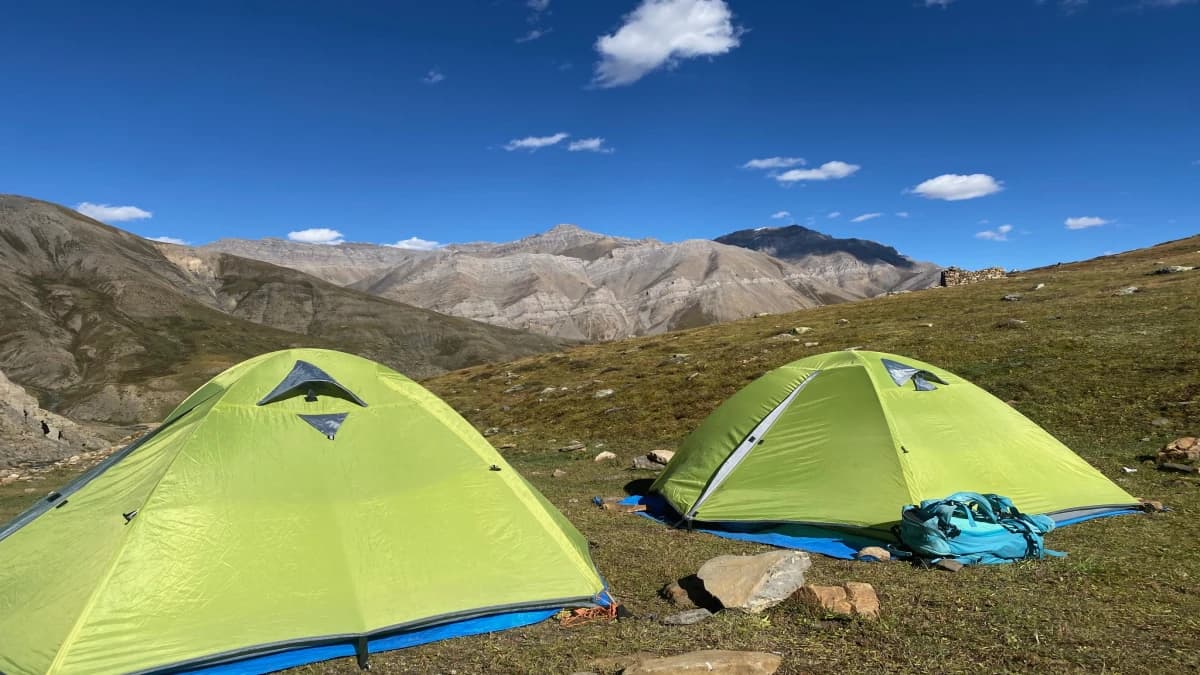
Dolpo Trek accommodation facility is basic and very limited as it is one of Nepal’s most remote treks. In the lower altitude and villages like Dunai, Tarakot, Ringmo and Dho Tarap, we can find basic teahouses and lodges with Tibetan-Buddhism culture and hospitality. As we move ahead towards the upper Dolpo region above around 3,800 meters the remoteness kicks in as there are no teahouses and lodges to stay at and our accommodation will become tents and camps. We have to mandatorily camp throughout the hike in the upper Dolpo trekking region. However despite the remoteness and limited availability of teahouses, the overall experience won’t be limited as we get to experience the rich, warm hospitality of the local people practising Tibetan-Buddhism or Bon religion. They welcome us whole heartedly with warm and hearty meals like Daal, Bhat which is the Nepalese staple cooked rice with lentils, noodles, tibetan bread, Tsampa which is the local delicacy along with their famous butter tea. And while staying in camps our meals are prepared by the kitchen staff in our trekking crew feeding us with high carb and high protein meals fueling us to complete this extreme adventure of ours in the most remote area of Nepal.
Trekking In Dolpo Region Cultural Experience
The adventure of trekking in the Dolpo region is about breathtaking landscapes and challenging high passes along with the deep and immersive cultural journey into one of Nepal’s most remote and preserved regions. Hidden behind the Dhaulagiri massif and bordering Tibet up north, Dolpo is home to Tibetan influenced communities whose unique culture remains unspoiled and serene for centuries due to Himalayan remoteness. Trekking through Dolpo feels as if we are stepping back in time where ancient Tibetan Buddhist traditions still pulse through the daily lives of people in ways that have remained unchanged for centuries. Walking through the rugged trails past prayer flags fluttering in the wind and mani walls carved with sacred mantras, we can experience the warm hospitality and rich heart of the Dolpo people whose resilience matches the harsh landscape they call home. We witness the region's isolated monasteries among which some dating back over a thousand years ago still stand as living proof to the pre Buddhist, Bon religion and Tibetan Buddhism coexisting in harmony. We experience remote villages like Ringmo and Shey Phoksundo offering us glimpses into their traditional lifestyle influenced by their culture of yak herding, barley cultivation and salt trading with Tibet. We are talking about remote Nepal and the century old culture and traditions still prevailing at its most authentic form untouched, unspoiled and never fallen down. Dolpo region is where the Himalayan culture hasn't been mixed with modernity and where we don't just observe traditions but are welcomed into them.
Conclusion- Why Should Dolpo Trek Be On Your Bucket List?
The Dolpo Trek Nepal is a truly unforgettable adventure that takes us deep into the remote Himalayas where high altitude trekking meets authentic Tibetan and prehistoric Bon culture. On this adventure from the sparkling turquoise waters of Shey Phoksundo Lake to the strenuous and challenging crossing of the Kang La and Numa La passes, Dolpo tests our patience and endurance, rewarding us with an unforgettable experience into the remote and hidden part of Himalayas where ancient culture meets untamed wilderness. This difficult yet pristine journey through ancient monasteries and quiet villages where time seems to move backwards immerses us in breathtaking landscapes and centuries old traditions.
This trek into Nepal’s remote and less trodden off the beaten path trek Upper and Lower Dolpo offers us solitude, pristine nature, rare wildlife, and a chance to discover the magic of the region and its way of life untouched by time. It is an adventure of a lifetime that challenges our body and inspires our soul making it a journey we must have in our Himalayan trekking bucket list.
FAQs
1. What makes the Dolpo Trek different from other treks in Nepal?
The Dolpo Trek offers extreme remoteness, ancient Bon culture, Shey Phoksundo Lake, and untouched wilderness with hidden Himalayas unlike popular trails like Everest or Annapurna.
2. Is trekking in Dolpo suitable for beginners?
No. The trekking in Dolpo is best suited only for experienced trekkers with good fitness and prior trekking experience as it is a demanding high altitude long duration remote trek.
3. Do I need a guide for trekking in the Dolpo region?
Yes. Both Upper Dolpo Trek and Lower Dolpo Trek fall under protected and restricted areas hence, trekking without a licensed trekking guide is not permitted.
4. How long does the Dolpo Trek usually take?
A Lower Dolpo Trek takes around 18 to 21 days whereas the full Upper Dolpo circuit can take 28 to 32 days including acclimatization.
5. What permits are required for Dolpo Trekking?
You need Shey Phoksundo National Park Permit and a Restricted Area Permit with Upper Dolpo requiring a higher permit fee.
6. What is the best time to do the Dolpo Trek?
The best seasons for the Dolpo Trek Nepal are during late spring from May to early June and autumn from September to November for stable weather and clear views.
7. What kind of accommodation is available during the Dolpo Trek?
Accommodation is mostly camping specially in Upper Dolpo and limited basic teahouses available in some parts of Lower Dolpo.