Annapurna Base Camp Trek Packing List
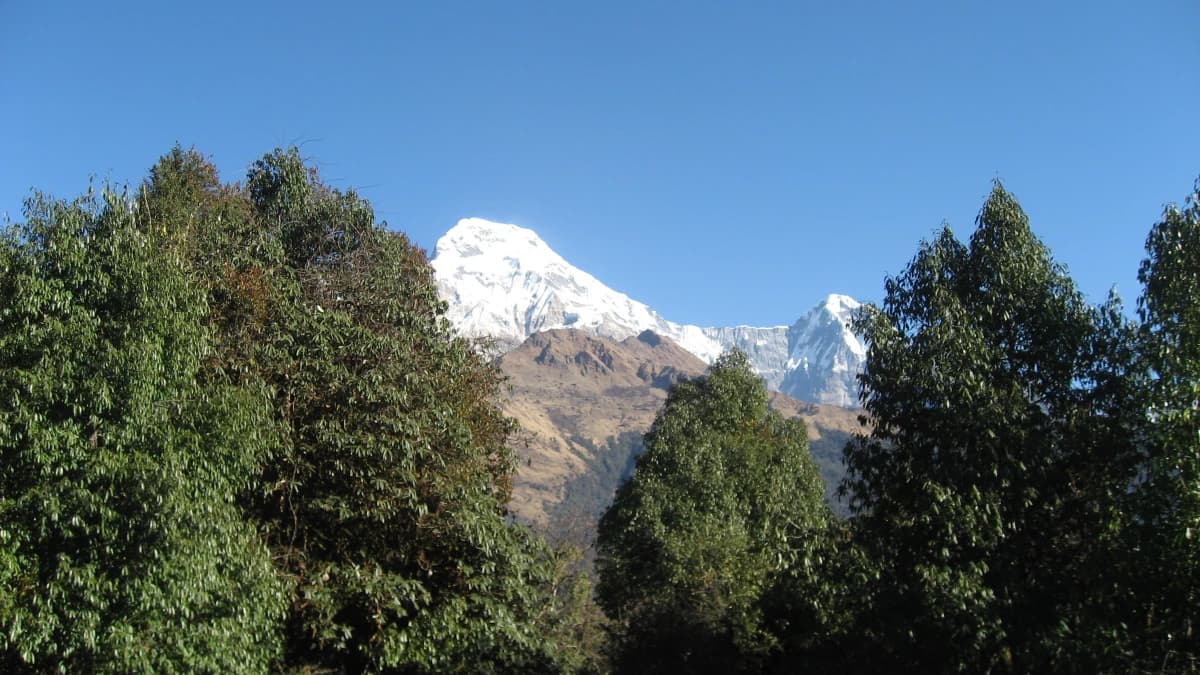
The Annapurna Base Camp Trek is one of the most beautiful treks in the world. This moderately difficult trek in the Annapurna region of Nepal features various landscapes from farmland to alpine terrain. ABC trek has various climatic zones throughout the trail with different weather.
An effective Annapurna Base Camp Trek Packing List ensures you have the right footwear, clothing, gear and necessary travel documents important for getting to the base camp safely and enjoyably. The weather in the mountains is unpredictable so a proper packing list for Annapurna base camp helps you choose the right set of trekking equipment.
Packing can be stressful and confusing, especially for first-time trekkers. The constant worry about whether what you pack is helpful or just extra weight, bothers beginners with no prior high altitude trekking experience in the Himalayas.
Not even first-time trekkers but even frequent trekkers tend to miscalculate what they pack for the ABC trek. This includes overpacking stuff you won’t even need during the weight, resulting in increased weight and hassle. “What to pack for Annapurna Base Camp Trek?”, is a confusion most trekkers face while packing their bags. The answer is to pack light and efficiently.
Let's figure out what is actually essential during the journey including proper clothing, gear, documents, and first aid with this comprehensive Annapurna base camp trek packing list. You will also get expert tips on what not to pack for Annapurna base camp trek and tips to make Annapurna packing list efficient and simpler.
What to Pack for Annapurna Base Camp Trek?
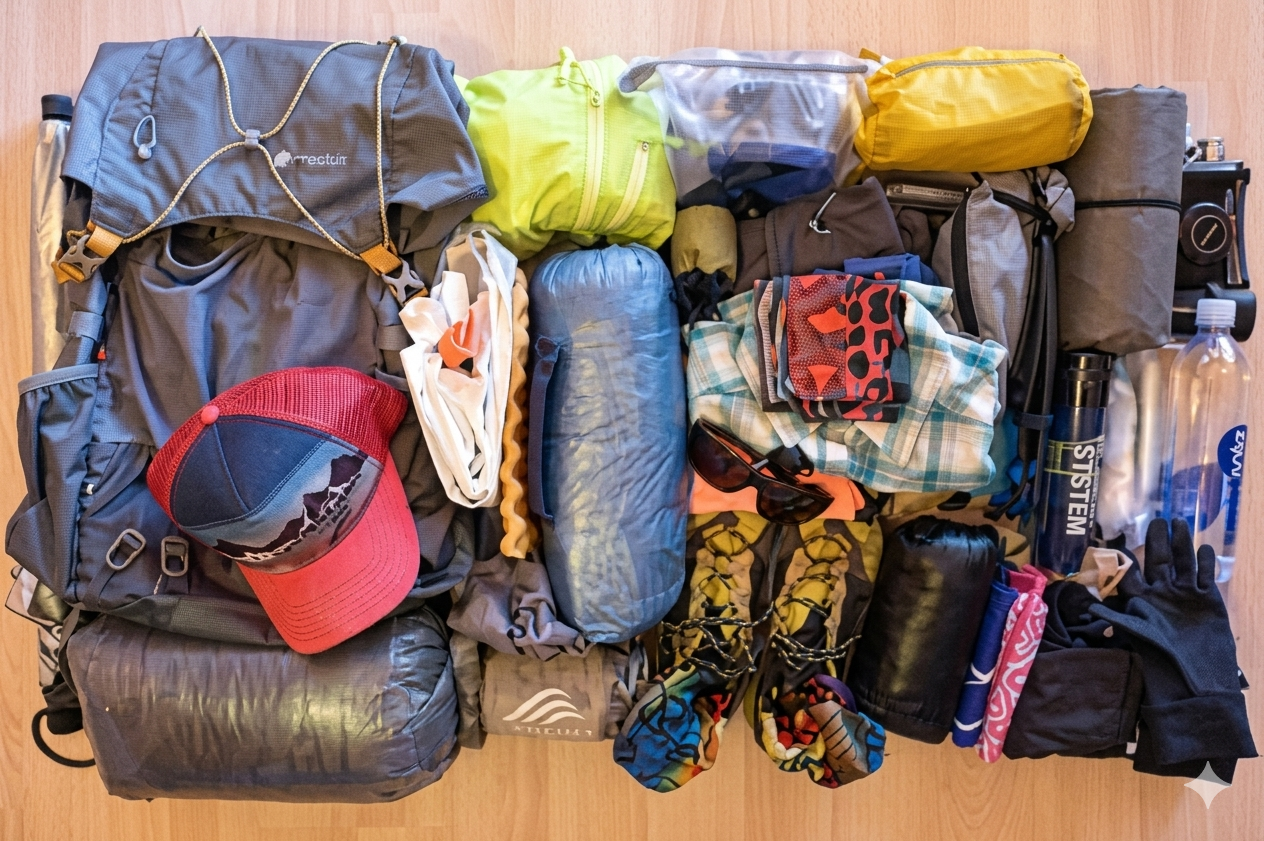
You need to pack your important travel documents, right clothing, trekking gear and equipment, personal items and first aid for Annapurna Base Camp Trek. Your ABC packing list falls into six core categories which are documents, clothing, footwear, trekking gear, personal care and medical supplies. If you overpack your knees will suffer from the start. If you compromise important layers to keep your bag light, a cold uncomfortable night awaits you.
Hence, ABC and any other high altitude treks require smart and efficient packing. For Annapurna base camp trek, pack the essential trekking equipment, keep room for extra stuff and cut the overboard items completely. For an enjoyable experience your daypack should be under 12 kilograms.
Travel Documents and Money
Having proper travel documents outside of your passport and visa is non-negotiable for Annapurna trekking. Yes, you must have your Nepal Visa, a valid passport and travel insurance but you must also have the necessary permits for the Annapurna base camp trek. If you don’t have these, you will turn around and your trek won’t even begin. Along with documents, you must also be prepared with Nepalese currency.
Passport and copies
Make sure to have your valid passport with you on the Annapurna base camp trekking journey. Also, make 2-3 copies of it and keep a picture of it on your phone in case you lose it for safety and backup. Annapurna base camp trek permits checkpoints at Birethanti and Chhomrong require your original passport or a clear photocopy at minimum for verification on the trail.
Travel insurance
Keep a physical printout as well as a digital copy of your travel insurance while packing for ABC trek. You do not need travel insurance mandatorily for Annapurna base camp trek. However, it is one of the most important documents for any high altitude trekking in the Himalayas. You may suffer from sickness like altitude sickness and food poisoning.
Early symptoms and treatment is fine but if the condition worsens you will need to be evacuated out of the trails in a helicopter. Any serious medical conditions, injuries, require helicopter evacuation which can cost thousands of dollars out of your own pocket. Having comprehensive travel insurance with policies covering helicopter evacuation, high altitude trekking will save money from your pocket as well as from delays and trip cancellations.
Trek permits (ACAP, TIMS card)
Permits for your Annapurna base camp trek are one of the most important documents for your ABC trek. Without the required permits, you won’t be able to hike inside the Annapurna conservation area, a protected zone in the Annapurna region. The permits required for Annapurna base camp trek are: ACAP and TIMS card. Once you get your permits, keep it safely with you during the trek. Your permits will be verified at checkpoints on the ABC trail.
Nepalese currency in cash
Carrying cash during Annapurna base camp trek is non-negotiable. After Pokhara, there are no ATMs and teahouses on the trail do not accept card payments. You must carry enough cash in Nepalese rupees for your expenses during the trek.
Clothing
Packing the appropriate clothing for your ABC trek is very crucial. The trail goes through different landscapes and weather conditions. This is also where many beginners make the mistake of either overpacking or compromising on essential items. You don’t want to bring unnecessary items as well as under-prepare skipping on the right layers. You always want to pack clothes for the Annapurna base camp trek in layers. The layering system includes base layer, mid layer and outer layer. This way you can remove or add a piece of clothing according to the weather on the trail.
Headwear
Beanie or Wool hat
Pack a warm beanie or woolen hat for early mornings, evenings and nights, when the temperature gets colder. It protects your head from losing warmth and you from catching a cold. Merino wool fabric stays warm even when it is damp from sweat. Or any other kinds of fleece works, the goal is keep your head warm
Sun hat or Cap
A sun hat or cap protects your face and head from the scorching sun while trekking in the lower altitudes. Also, the atmosphere is thinner in the mountains which increases exposure to UV rays from the sun. Your cap also protects you from the UV rays.
Torso
Base layer
Your base layer of clothing comes in direct contact with your skin. It is the innermost layer. Your base layer should be moisture-wicking so that it doesn’t trap sweat causing cold and irritation. It should also be breathable, quick drying and lightweight.
- Thermal top and bottom for cold conditions (1-2 pairs)
- Quick dry t-shirts (2-3 pairs)
- Long sleeved shirt (1 pair)
- Undergarments men and women (5 pairs)
- Thermal gloves (1 pair)
Insulation layer
- Fleece jacket or lightweight insulated jacket
- Down jacket for colder conditions
- Convertible trekking pants (2 pairs)
- Fleece-lined trekking pant for colder moths
Outer layer
- Hardshell waterproof and windproof jacket
- Waterproof and windproof pant
Footwear
A proper footwear for ABC trekking makes a huge difference between a hard trek and a comfortable trek. Having tough, broken-in trekking boots with proper ankle support is crucial for ensuring comfort, safety and support for hiking to the Annapurna base camp and its varied trail across villages, forests, stone steps and alpine terrain.
- Waterproof, sturdy and worn-in trekking boots with ankle support & traction
- Moisture-wicking trekking socks (5 pairs)
- Sandals or slippers for evenings at teahouse
Trekking Gear and Equipment
Having the right gear and equipment for the Annapurna base camp makes your trekking journey safer, comfortable and enjoyable. Many first-timers don’t pack the gear which they need and pack those which they don’t need.
Main Duffel Bag
This is your main backpack while trekking to Annapurna base camp. Get a 40-60 litres duffel bag and pack your gear, clothes, sleeping bags and all the items which you don’t need while trekking during the day in it. It should be waterproof and durable.
Porters carry your main duffel bag during the trek. It should weigh around 12 to 13 kilograms per person. Additionally you should also get a raincover for your duffel bag.
Small daypack
Carry a 15-20 litres small daypack where you will store those items which you need while trekking during the day. While porters carry your duffel bag, you will carry this small daypack. Keep your water bottle, cash, mobile phones, permits and other essentials like medications in this daypack. You can carry light snacks for easier access.
A daypack while trekking should weigh around 4 to 6 kilograms, anything above that puts physical stress on your body. And don’t forget a raincover for your daypack as well.
Trekking poles
Annapurna base camp trail is known for its endless stone steps, ascents and descents in uneven terrain throughout the trek. Having trekking poles will save your knees from excruciating pain and fatigue. Get anti-shock trekking poles with wrist straps. You can easily rent them in either Kathmandu or Pokhara for cheap.
They help to reduce the stress on your knees during ascents and descents. Trekking poles also provide balance on slippery sections and stone steps on the trail.
Sleeping bag
Get a sleeping bag with -10°C to -15°C rating for your Annapurna base camp trek. It gets cold at night and the blankets and wooden bed provided at the teahouse isn’t enough. A down sleeping bag is lighter, warmer and easier to pack. It will be useful when the nights at higher elevations get to or below freezing.
Head torch
There are frequent power outages at teahouses which cut electricity leaving you in the dark. A head torch in such situations is very helpful. Also during 4 am base camp push for sunrise views, the trail is dark and requires hands-free lighting for navigation. In this case, a head torch attached to your forehead is perfect. Make sure to carry spare batteries or a charger.
Reusable water bottle
Taking a reusable water bottle is the perfect option for Annapurna base camp trek. Buying bottled water daily is expensive and also damaging to the environment. A refillable water bottle of 1.5 to 2 litres capacity is the smarter choice in every sense. You can refill with boiled water from teahouses and purify it with water purification tablets before drinking.
Trekking gaiters
Trekking gaiters are optional for Annapurna base camp trek. They are situational gear and not essential. A neck gaiter can be used for warmth as well as protection from sun, dust and cold wind as face and light head cover. Likewise, leg gaiters are worn over your trekking boots and pants. It protects from mud, snow and debris on muddy trails, monsoon or winter trekking.
Microspikes
They are also seasonal gear similar to leg gaiters. Pack microspikes only if you are trekking toAnnapurna base camp in winter. During winter the trails are covered in snow and sections above Deurali are icy. Microspikes in winter make it easier to navigate through slippery icy sections safely.
Personal Items and Hygiene
Personal items and hygiene products are necessary to keep yourself clean and sanitized during the Annapurna base camp trek. Since showers are almost nonexistent during the trek, these items help reduce the risk of infection and irritation by keeping you clean.
Sunglasses
Sunglasses in Annapurna base camp trek are eye protection equipment. Pack UV protection and polarized sunglasses. They provide comfort to your eyes by reducing solar and snow glare. Also UV glasses protect your retina from the harmful UV rays from the higher altitude sunlight.
Sunscreen SPF 50+
A sunscreen of minimum 50 spf is important while trekking in Annapurna. The atmosphere is thinner at higher altitudes increasing the risk of UV rays. A sunscreen protects your skin from sunburn and UV damage. Use broad-spectrum SPF 50+ on your face, neck, ears and any exposed skin.
Lip balm with UV protection
You should not underestimate the cold and dry wind at higher altitudes. The cold wind and UV exposure crack your lips and often cause bleeding which is painful. Carry a SPF 30+ lip balm with UV protection and use it frequently for maximum prevention. Also, keep it in your daypack for easier accessibility while trekking.
Moisturizer
Carry a moisturizer to prevent your skin from drying and cracking due to the combination of cold and dry wind. Apply it frequently after washing your face and exposed parts like hands, arms and legs. Dry and cracked skin is not comfortable so packing a moisturizer is important for personal care and comfort.
Toiletries
It is very important to maintain sanitation and hygiene when trekking to not attract illness and infections. Pack travel sized toothbrush and toothpaste for oral hygiene. Your teahouses at that altitude do not provide them so you have to be prepared yourself.
Quick dry towel
Teahouses do not provide you with towels. It is smart to carry a light, travel sized and quick drying microfibre towel for when you take an occasional shower. A cotton towel is heavy and when wet takes longer to dry. You don’t want to carry a damp towel throughout the day so a microfibre quick dry towel is the perfect choice.
Biodegradable soap/ wet wipes
You should carry biodegradable soap to wash your hands after a whole day of trekking to avoid infection and contamination. Biodegradable soaps are environment friendly and do not damage the delicate biodiversity of the Annapurna conservation area.
Showers cost extra money and even if you are willing to pay, sometimes it won’t be available in every teahouse. To keep yourself clean and sanitized biodegradable wet wipes are a very good alternative to wipe yourself clean. They help you freshen up without the availability of showers.
Hand sanitizer
Hand sanitizers are non-negotiable for sanitation and prevention from diseases on the Annapurna base camp trek. Handwashing with soap and water is very crucial to protect yourself from infections, illness and gastrointestinal diseases. But not all places have access to water and soaps. It is very important to ensure your hands are germs free by using hand sanitizers. Mainly before eating and after using the toilets at the teahouses.
Power bank
Carrying a high capacity powerbank of 20,000 mAh is the smarter way of charging your electronics. At teahouses, charging requires an additional cost of $2 to $5 per charge. Also, most of the time there won’t be electricity for charging at teahouses due to frequent power cuts. So investing in a high power power bank allows you to charge your phone and other electronics.
First Aid and Medications
Carrying a basic first aid kit and important medicines are a must for your Annapurna Base Camp trek. High altitude trekking has lots of uncertain risks like injuries, accidents, altitude sickness, infections, gastrointestinal diseases, and so on. Having a first aid kid with medications can be really helpful in such scenarios by ensuring safety and immediate care before help arrives.
Water purifying tablets
Water purification tablets kill the microbes present in water and make it safe for drinking. You can get boiled water from teahouses but it will cost you extra $2 to $5 per litre. So, carrying water purifying tablets is a smart investment on your Annapurna base camp trek. You simply put 1 tablet in 1 litre water and wait for around 30 minutes before drinking. This ensures your water is free from germs and reduces the risk of falling sick to infection and contaminated diseases.
Basic first aid kit with medications
A basic first aid kit for Annapurna base camp trek is important to provide immediate care until help arrives during any situation of injury, accident, illness and altitude sickness on the trail. It should have:
- Adhesive bandages (multiple sizes)
- Sterile gauze pads
- Antiseptic wipes and cream
- Medical tape (for gauze + blisters)
- Blister pads
- Elastic bandage for ankle or knee support
- Tweezers
- Medical scissors
- Paracetamol and Ibuprofen for fever and muscle pain
- Diamox (only if prescribed by your doctor)
- Oral Rehydration Salts (ORS)
Personal medications
If you take prescription medications for your health condition, bring an adequate supply of them in original packaging for your ABC trek. Also mention your allergies if you have any and make a list of medicine and dosage. Consult with your doctor before high altitude trekking if you have a known condition like asthma, heart issues or thyroid).
Most importantly, always keep your personal medications, inhalers, EpiPens or specific prescriptions with you in your daypack.
What to Pack for an ABC trek with children?
Packing for an Annapurna base camp trek with children requires extra items and thoughtful packing. Along with the overall items to pack for ABC trek, for trekking with children there are some additional items you need to pack.
- Extra layers to help them manage the cold
- Extra dry clothes
- Personal prescription medications (if any)
- ORS (kids get dehydrated quicker)
- Child-sized trekking poles
- Child-friendly sunscreen and lip balm
- Snacks (energy bars, chocolates, nuts, cashews)
- Small entertainment (cards, small toys, tablet)
Senior Trekkers What to Pack for ABC Trek?
When packing for Annapurna base camp trek with a senior trekker, there are some additional items which you need to pack outside of the regular packing list for Annapurna base camp.
- Extra layers to help them manage the cold
- Extra supply of prescription medications (if any)
- Ankle support bandage
- Knee support and elastic braces
- Electrolytes to help against dehydration
- Basic pulse oximeter
Annapurna Base Camp Packing Guide By Season
The ABC trek can be done all year round, but each season brings distinct conditions that affect your Annapurna base camp packing list. The following tells about what to pack for Annapurna base camp trek by season.
Spring (March-May)
During spring, the temperatures are pleasant. You should pack all standard layers but lighter thermal options will be enough. In late May, afternoon rains become frequent so having your waterproof outer shell layer is essential.
Monsoon (June-August)
The trail is lush and consistently wet. You will face daily rain, muddy trails and leeches on lower sections. For this season, rain covers are critical to keep your main duffel bag as well as daypack dry. You should also pack leg gaiters to save your pants and boots from mud and leeches. It is very warm and humid during monsoon so pack breathable and light clothing.
Autumn (September-November)
This is the most popular season for ABC trekking with clear skies, stable weather and moderate temperatures. The standard layering system works well. It can get cold in Autumn and nights at base camp can drop to -10°C or below in November, so a quality sleeping bag is important.
Winter (December-February)
It is the coldest season to trek in Annapurna. You need to pack microspikes, woolen gloves, hand warmers, heavy duty down jackets and a warmer sleeping bag rated to -15°C.
What not to Pack for Annapurna Base Camp Trek?
You should not pack unimportant items which add extra weight to your backpack for your Annapurna base camp trek. Overpacking items will only lead to added weight, slowing you down. Annapurna base camp trek packing list is supposed to help you travel lightly and efficiently. The following are some items which you should not pack for ABC trek:
Thick clothes and extra footwear
You don’t need thick and heavy clothes which only makes your backpack heavier. It eats up the space to pack other items in your duffel bag. For your ABC trek, packing a layered clothing system is more than enough.
Also carrying an extra pair of shoes or boots is not needed. If you do so, you are only adding unwanted weight to your luggage. One sturdy boot for trekking and a comfortable sandal or slipper for evenings at the teahouse is sufficient.
Heavy expedition gear
Annapurna base camp trek doesn’t require any technical or climbing gear. You just need a light microspike for icy sections only in winter. ABC is a beginner friendly trek so heavy expedition gear is a huge waste of money, energy and space while packing.
Heavy electronics
It is not necessary to carry heavy and a number of electronics like laptop, tablet, while trekking. It is advisable to enjoy the moment by digitally disconnecting from the world for a few days. Unless you are a photographer by profession and are trekking for capturing pictures, leaving heavy electronics is the best idea. Just carry your phone along with a powerbank and a charger. That’s all the electronics you will realistically need for ABC trek.
Fashionable Outfits
Trekking in the Annapurna requires the right clothings. Packing fashionable outfits and clothes along with jewelry is a bad idea. It adds unnecessary weight to your backpack. You can’t even wear such outfits due to the challenges presented by the weather. Instead, pack the correct layers of appropriate trekking clothes and avoid packing unrealistic outfits and jewelry which only adds to the disadvantages.
Annapurna Base Camp Trek Packing Final Checklist
Documents and Money
- Passport and copies
- Travel insurance
- Trek permits (ACAP, TIMS card)
- Nepalese currency in cash
Clothing
- Thermal base layers (upper & lower body)
- Lightweight Insulation layer
- Down jacket
- Waterproof and windproof outer layers
- Quick dry t-shirts (2-3 pairs)
- Convertible trekking pants (2 pairs)
- Underwear (5 pairs)
- Beanie, gloves
Footwear
- Worn-in, sturdy trekking boots
- Sandals or slides for the evening
- Moisture wicking trekking socks (5 pairs)
Trekking Gear and Equipment
- Duffel bag (40-60L)
- Small daypack (15-20L)
- Trekking poles
- Sleeping bag -10°C to -15°C
- Head torch
- Reusable water bottle
- Trekking gaiters (optional)
- Microspikes (winter trekking)
Personal Items and Sanitation
- Sunglasses
- Sunscreen SPF 50+
- Lip balm with UV protection
- Moisuterizer
- Toiletries
- Quick dry towel
- Biodegradable soap/ wet wipes
- Hand sanitizer
- Power bank
First Aid and Medications
- Water purifying tablets
- Basic first aid kit
- Personal medications
- Pain killer (ibuprofen, paracetamol)
- Diamox (consult your doctor first)
Tips for Efficient Packing List for Annapurna Base Camp Trek
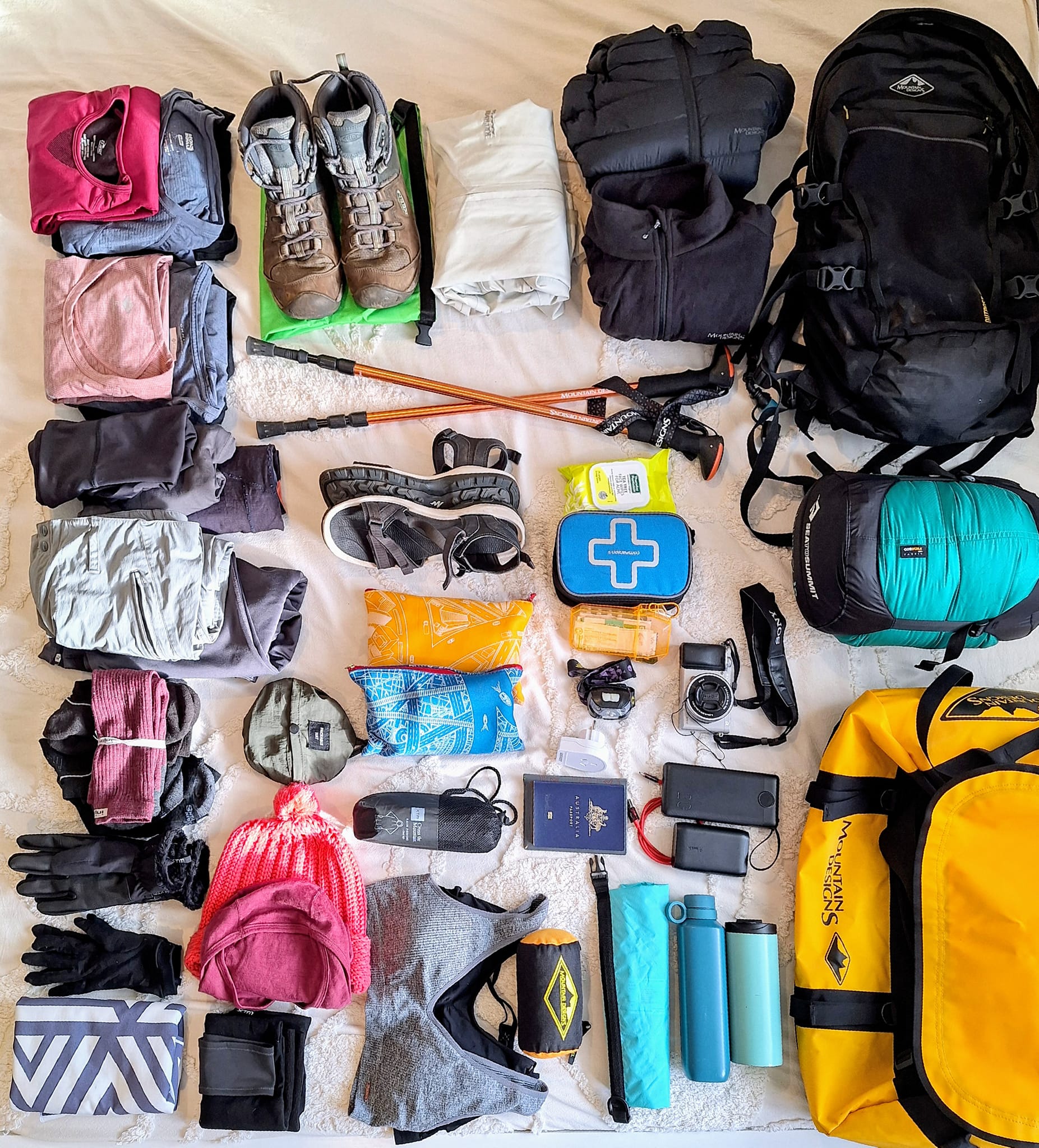
- Categorize your gear into groups by clothing and gear.
- Put essential items at the top while packing for easier accessibility.
- Use compression packing cubes to keep your backpack organized.
- Waterproof both the duffel bag and your daypack.
- Pack important documents, cash, personal medications, water bottles and light snacks in your daypack.
- Keep the weight of your daypack at around 6kg at max and duffel bag at around 13 kg at max.
FAQs about Annapurna Base Camp Trek Packing List
1. What to pack for Annapurna Base Camp Trek?
You should pack layered clothing with moisture wicking base layers, down jacket and outer layer for clothing. Also pack sturdy, worn-in trekking boots with ankle support and moisture wicking trekking socks, sleeping bag, trekking poles, daypack with sunscreen, sunglasses and water purification tablets.
2. What size of backpack is required for Annapurna base camp trek?
For the Annapurna base camp trek, get a 40 to 60 litres duffel bag to pack your main clothing and gear and a 15 to 20 litre daypack to carry documents, cash, personal medicines, water bottle etc. Your porter will carry the duffel bag whereas you will carry the daypack yourself.
3. How heavy should my backpack be for the Annapurna base camp trek?
For the Annapurna base camp trek, the weight of your daypack should be around 6 kgs and the duffel bag should be 13 kilograms at maximum ensuring ethical porter weight limits.
4. Do I need a sleeping bag for the ABC trek?
Yes, you need a sleeping bag rated from -10°C to -15°C as it gets below freezing at base camps during night. A sleeping bag rated for 0°C could be enough while trekking in monsoon season.
5. Can I rent or buy gear in Kathmandu or Pokhara?
Yes, you can either rent or buy trekking gear in Kathmandu or Pokhara. Renting is a cost effective option for budget trekkers and the cost of renting is around $1 to $ 5 per item per day in most of the trekking shops in Kathmandu or Pokhara.
You can also buy a whole set of high quality gear comparatively for cheap at around $200 to $500.