Tihar Festival 2026 Celebration, Activities and Dates
Tihar festival is the biggest Hindu festival of Nepal after Dashain that celebrates the importance of animals, nature and the prosperous bond between siblings. The festival of Tihar spans over 5 days and is popularly known as the Festival of Lights internationally. Before the first day of the festival, Nepalese clean and organize their homes, decorate them with garland, oil lamps, lights and design an attractive art called Rangoli with rice flour, color powder, candles and flower petals. Tihar welcomes prosperity, wealth, good fortune and health of families with its 5-day celebrations. People worship Goddess Laxmi, the deity of wealth and fortune and sing traditional Deusi-Bhailo songs as celebrations and traditional folk rituals.
In 2026, Tihar festival falls from November 7 to November 11 according to the English Calendar. As per Nepali Bikram Sambat calendar, Tihar 2083 falls from Kartik 21 to Kartik 25. Everyone’s favorite celebration of Kukur Tihar 2026 (Festival of Dogs) falls on November 8. On this day, the humans worship and celebrate the loyalty, love and companionship of their furry best-friends. During this year’s Tihar festival, Kukur Tihar and Laxmi Puja (worship of Goddess Laxmi) both fall on the same day on November 8. Bhai Tika 2026, when you can see Saptarangi Tika (seven-colored Tika) on people’s forehead falls on November 11.
When is the auspicious time or Sait for Bhai Tika 2083?
The auspicious time or Sait for Bhai Tika 2083 is at 11:07 AM in the morning of Kartik 25 according to the announcement by Nepal Panchanga Nirnayak Bikas Samiti (Nepal Calendar Determination Development Committee).
For travellers, Tihar festival 2026 is a great opportunity to experience Nepal beyond its temples, mountains and wildlife. Tihar in Nepal provides a significant chance of experiencing the culture and celebrations of one of the biggest festivals of the nation. Whether you are trekking past traditional villages or are in Kathmandu, the entire country becomes lively with bright lights, traditional oil lamps, busy streets, traditional Deusi Bhailo songs, colourful decorations, garlands and family celebrations.
What is the festival of Tihar?
Tihar is a 5-day Hindu festival of Nepal which celebrates the loyalty, companionship of animals, worships Goddess Laxmi of wealth and prosperity and strengthens the bond between brothers and sisters. It is the second biggest Hindu festival of Nepal after Dashain. Unlike Dashain which celebrates the victory of good over evil, Tihar honors and celebrates the deep connections and importance of animals, nature and gods in our human lives.
Tihar festival 2026 starts from November 7 to November 11, 2026. It usually falls during October or November of the English calendar which is also the peak season to travel to Nepal. According to Nepali calendar, Tihar 2083 falls from Kartik 21 to Kartik 25. The celebration dates of Tihar follow the Nepalese Bikram Sambat calendar. It usually occurs during Kartik, the seventh month of Nepali calendar. Hence, it is a perfect time to visit Nepal with the charm of autumn and the lights, flowers and celebrations of dogs, cows and Deusi-Bhailo of Tihar.
Tihar also known as Deepawali and begins with Kaag Tihar, when people offer food to crows. Then the following four days are for worshiping dogs, cows and Goddess Laxmi, oxen and finally celebrating Bhai Tika. The Newari community also celebrates Mha Puja on the fourth day during Goru Tihar (Worship of Ox).
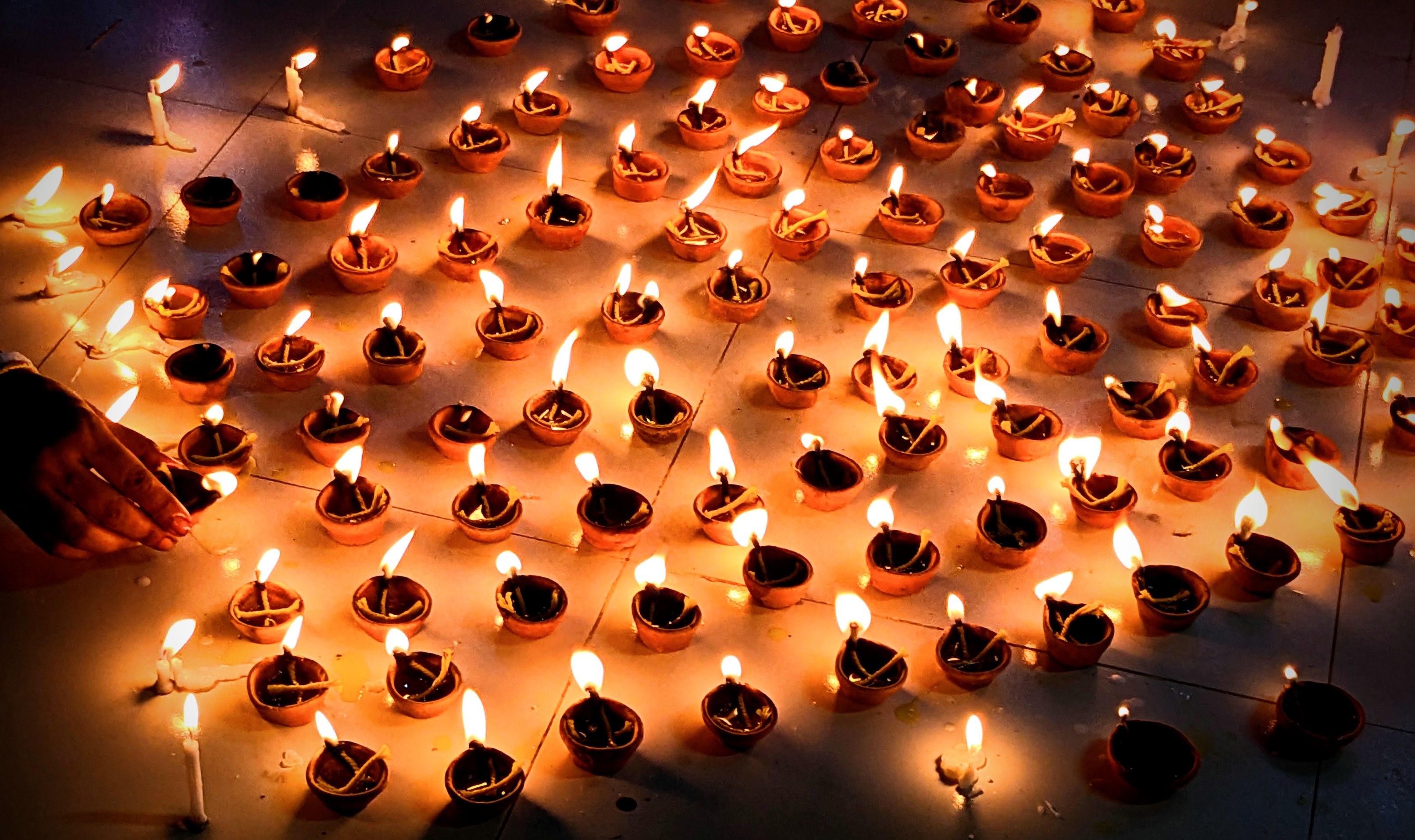
Each day of the Festival of Lights has a different celebration. The illumination of Diyos (traditional oil lamps) and decorative lights create a bright and lively atmosphere of the entire country during the evenings of Tihar. People decorate their homes with Marigold and Makhamali flowers, garlands and create Rangoli patterns on their doorsteps in hopes of Goddess Laxmi entering their household with good fortune.
Deusi Bhailo in Tihar is a traditional singing and dancing celebration where groups visit neighbourhood homes, shops and stores during the evenings. They sing folk songs offering blessings and prosperity in their homes, businesses and shops. Then people thank the Deusi Bhailo groups with tasty festive foods like Sel Roti, Anarsa, Malpuwa and items like gifts and money.
When is Tihar festival in 2026?
Tihar Festival 2026 begins on November 7, Saturday and ends on November 11, Wednesday according to the English calendar. According to the Nepali Bikram Sambat calendar, Tihar festival falls from Kartik 21 to Kartik 25 in 2083 BS.
Why do Kukur Tihar and Laxmi Puja fall on the same day in 2026?
Tihar festival follows the lunar calendar and its celebrations fall depending on Tithis (Lunar days) and not always on the same numbered day. Expert almanacists or astrologers from the Nepal Panchang authority study lunar days and mark the exact day and date of celebrations of every festival including Tihar 2026. Hence in Tihar 2026, Kukur Tihar and Laxmi Puja fall on the same day due to lunar day observances. Gai Tihar falls separately on Kartik 23.
Celebrations during Tihar festival 2026 in Nepal
Tihar festival offers several celebrations over its 5 day period. It provides different cultural experiences for visitors with its unique celebrations. Tihar festival celebrates animals, Goddess Laxmi and the bond of siblings on their specific celebration days.
Kaag Tihar 2026: The Festival of Crows
Kaag Tihar 2026 or the festival of crows falls on November 7, 2026 or Kartik 21, 2083 BS as per Nepali calendar. It is the first day of Tihar festival. Crows are the messengers of Yamaraj who transfer bad news to him. Religiously, this celebration takes place due to the association between Yamaraj and crows. People feed crows with grains, rice, crumbs of sel roti and water hoping they won’t deliver any news to the god of death Yamaraj.
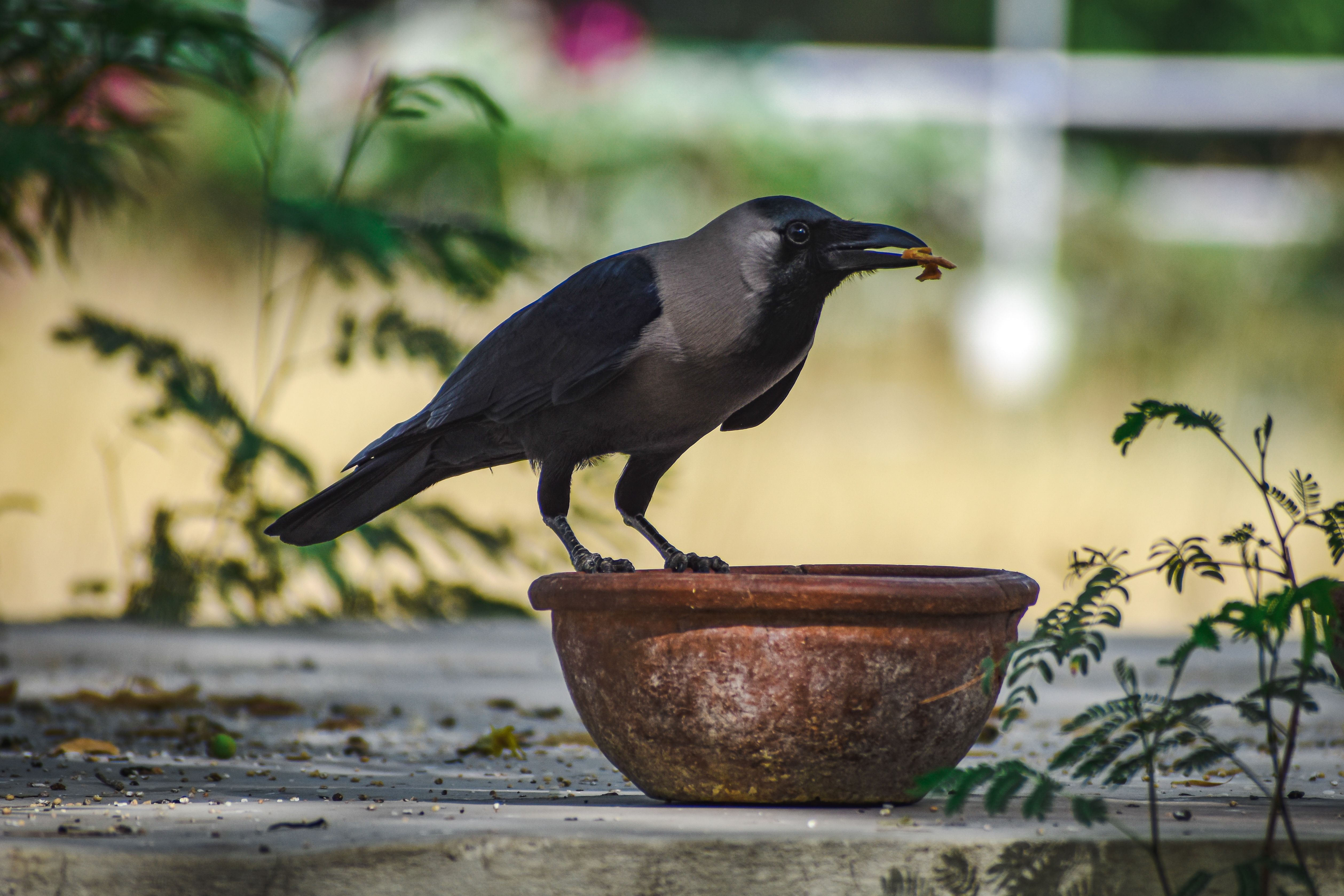
From a traditional perspective, we worship crows to honor them for the role they play in maintaining the balance in the ecosystem. People leave food and water on their balconies and rooftops for crows in the morning and feed them with respect.
Kukur Tihar 2026: The Festival of Dogs
Kukur Tihar 2026 falls on Sunday, November 8, 2026 according to the English calendar. The Festival of Dogs (Kukur Tihar) in Nepal falls on Kartik 22, 2083 BS as per Nepali calendar.
It is one of the most recognizable and heartwarming celebrations of the entire Tihar festival. On this day, people worship their pet dogs as well as street dogs to honor them as loyal companions, protectors and family members. People put tika, marigold garlands on their pets as well as any street dogs and offer them a tasty feast. The joyful scenes of street dogs enjoying themselves with tasty meals and beautiful decorations warms everyone's hearts.
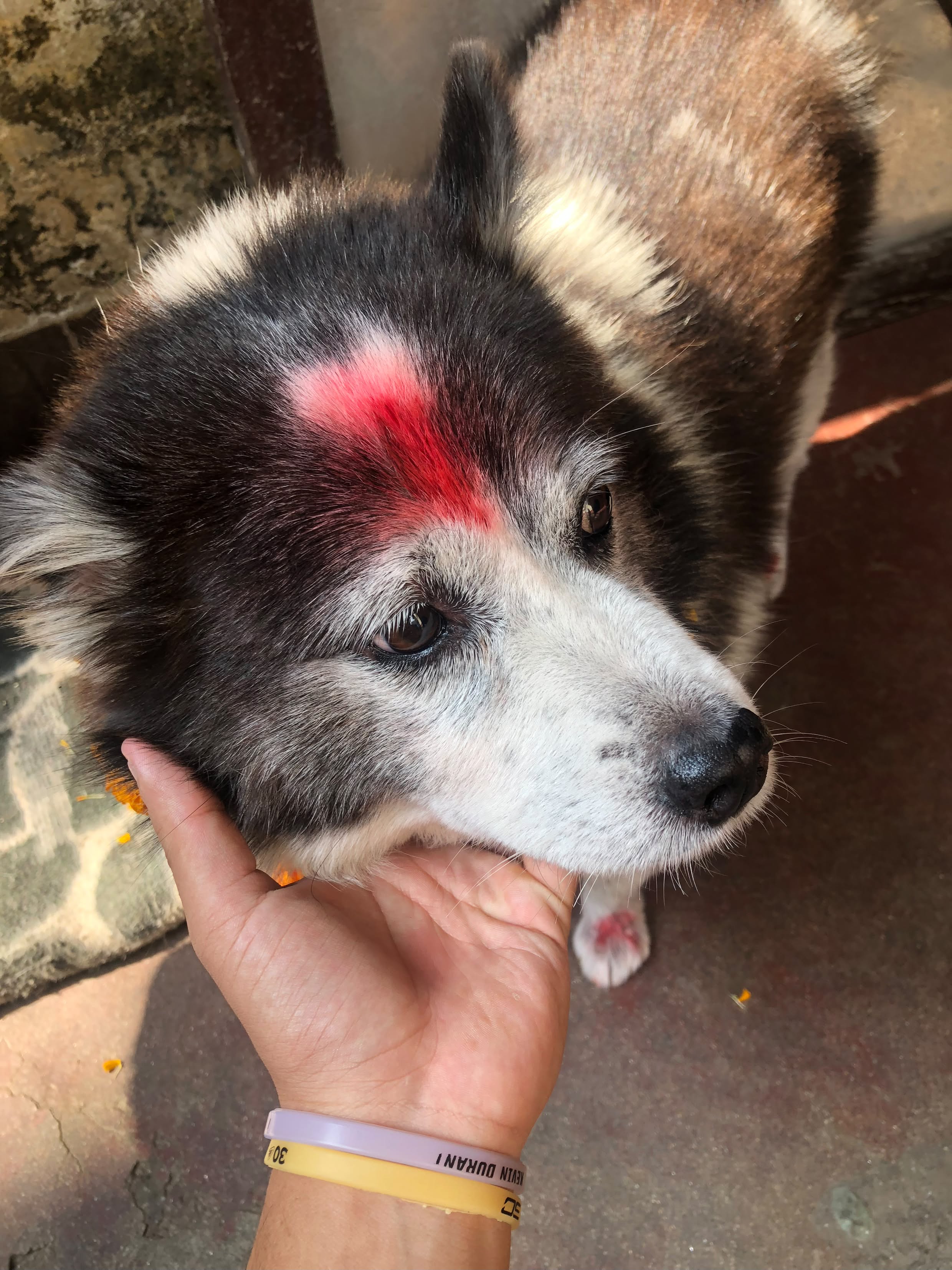
This ceremony also reflects the religious association between dogs and Yamaraj. Dogs are also his messengers and are guardians of the path between life and afterlife. It is believed that dogs help the souls to travel to heaven safely after death by guiding them.
You can experience how Nepalese culture expresses respect, love and gratitude towards animals when you witness Kukur Tihar.
To showcase this special event globally, Nepal Tourism Board (NTB) has started a Kukur Tihar reel contest 2026 on Instagram where the best celebration moment will win the contest and the cash prize. This festival of dogs calls for the special bond between them and humans, traditional tika, marigold garland and lots of tasty foods.
Laxmi Puja 2026: Worship of the Goddess of Wealth
Laxmi Puja 2026 falls on November 8 or on Kartik 22, 2083 as per Nepali calendar. It is the day of worshiping Goddess Laxmi, the Hindu goddess of wealth and prosperity. People clean their houses and decorate them with marigold flowers, garlands and decorative lights.
In the evening, they draw Rangolis on their doorsteps to invite Goddess Laxmi to enter their homes. Before Laxmi puja, the whole house gets illuminated with Diyos (traditional oil lamps), decorative electric lights, rangolis, candles and becomes the most visually striking evening of Tihar. Households prepare fresh offerings like Sel Roti, Malpuwa or Anarsa for Goddess Laxmi.
They create rangoli using coloured powders, rice flour and flower petals. From that rangoli they make small footsteps designs guiding Goddess Laxmi through their homes into the main prayer rooms to seek good fortune, prosperity and wealth. Then the worship of Goddess Laxmi takes place later in the evening.
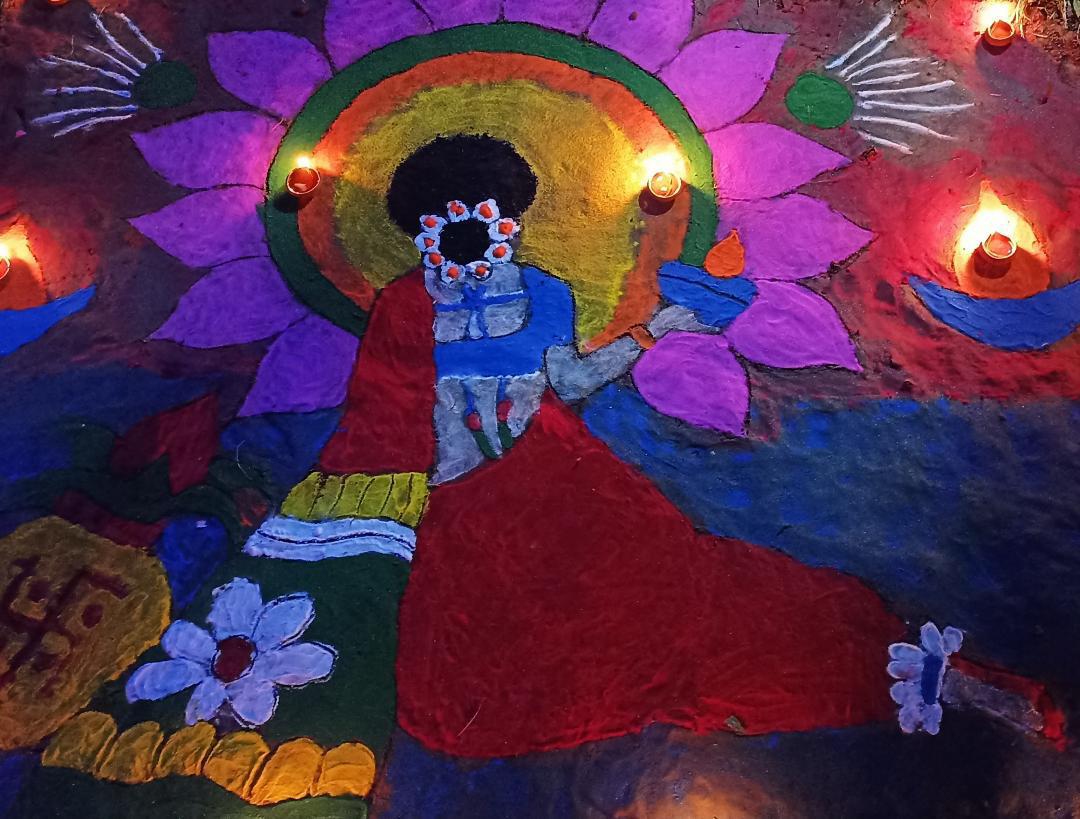
With thousands of homes and the entire city glowing in unison with diyos and decorative lights, this becomes the most beautiful scenery during Tihar festival.
Deusi Bhailo 2026: Traditional Folk Songs and Dancing
Deusi Bhailo is a traditional singing and dancing activity which is performed during the evenings of Tihar. In 2026, Deusi Bhailo traditional performances including songs and dances can begin from the evening of the first day of Kaag Tihar.
Groups of children, teenagers and adults visit neighbouring houses and shops while singing traditional folk songs. Bhailo is traditionally associated with girls and women, while Deusi is commonly performed by boys and men. However, we can see mixed groups performing both of these traditional celebration activities today.
Deusi Bhailo has a meaning behind the performances. Deusi Bhailo is for the blessings of the households or shops that the performers visit, sing and dance for. The whole lyrics suggest and wish their lives, household and businesses prosperity and a great success. In return, householders and shopowners thank the Deusi Bhailo groups with festive foods like Sel roti, sweets, fruits and money.
Duesi Bhailo is a must experience activity during Tihar festival 2026 in Nepal. It introduces visitors to Nepal’s folk music, dances and the chance to enjoy alongside the performers themselves.
Gai Tihar 2026: Worship of Cows
Gai Tihar 2026 falls on November 9 on Monday as per the English date. As per Nepali calendar, Gai Tihar falls on Kartik 23, 2083 BS. This day of celebration is associated with the worship of cows. Cows hold religious and cultural importance in Hindu traditions. On top of that they are also the national animal of Nepal. They represent nourishment, prosperity and motherhood.
Cows have also been a great companion of humans since the past. They are our cattles from whom we get dairy. They are important for farmers and raised as cattle in villages.
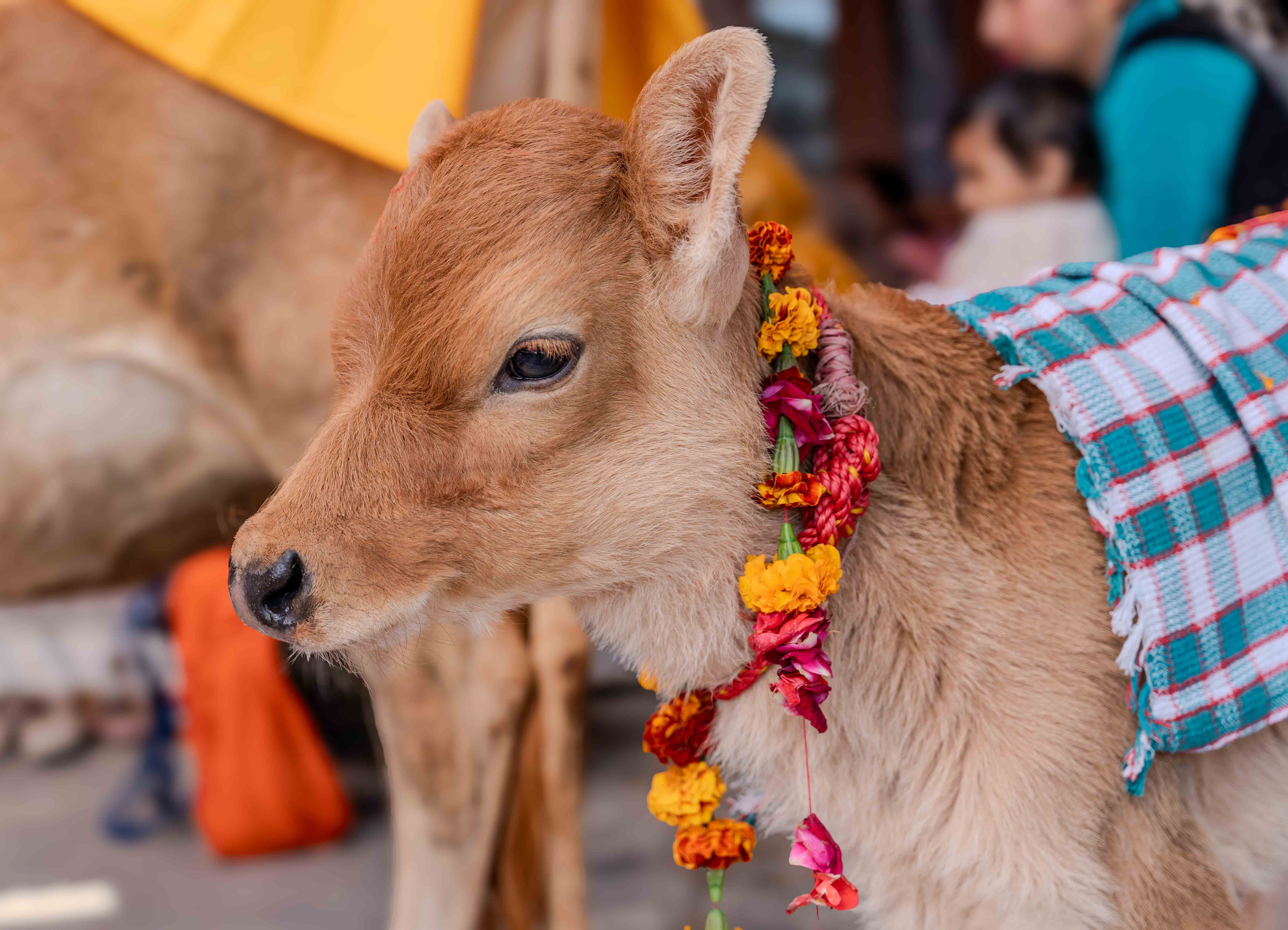
During Gai Tihar, people decorate cows with marigold garlands, tika on their foreheads and offer them grass and food. This is a way of worshiping and honoring them for their great contribution in Nepalese livelihood.
Goru Tihar and Mha Puja 2026: Worship of Oxen and one-self
Goru Tihar 2026 also known as Gobardhan Puja falls on November 10 or Kartik 24, 2083 as per Nepali calendar. On this day, people worship ox who are of a great importance to farmers. They decorate oxen with garlands and tika while offering them grass, grains and food.
Mha Puja which is an important celebration of Newari people also falls on the same day as Goru Tihar. Mha Puja 2026 falls on November 10 or Kartik 24, 2083 according to the Bikram Sambat calendar. The puja means worshiping the soul of oneself.
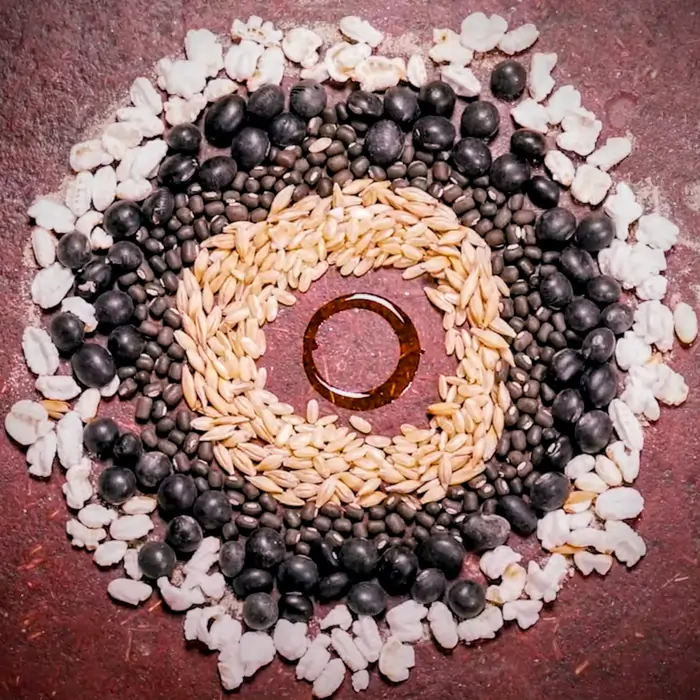
During this ceremony, Newar families worship their own bodies and souls to recognise the importance of physical and spiritual wellbeing. This day also marks the Newari new year of Nepal Sambat 1147. Newari families sit and prepare mandalas by their fingers and receive offerings, flowers, tika, blessings and sagun.
Bhai Tika 2083 Date and Sait: Bond between Brothers & Sisters
Bhai Tika 2026 falls on November 11 according to the English calendar. As per Nepali Bikram Sambat calendar, Bhai Tika 2083 is on Kartik 25.
The sait (auspicious time) of Bhai Tika 2083 BS is at 11:07 AM on Kartik 25. It is one of the most important days of the Tihar festival. Bhai Tika is also the final day of Tihar and celebrates the relationship between brothers and sisters. The ceremony follows the traditional beliefs of Yamaraj and his sister Yamuna. Among the Newar community, Bhai Tika celebration is known as Kija Puja.
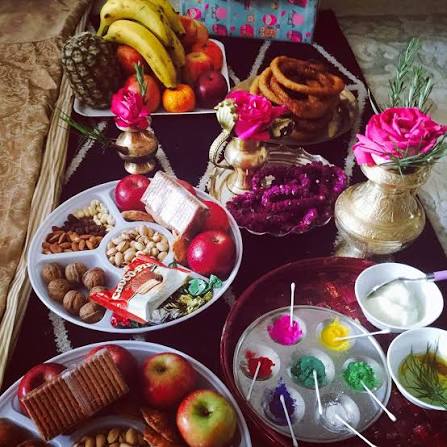
On Bhai Tika after the time of sait, sisters perform a special ritual by applying a Saptarangi Tika (seven-colored tika) to their brothers' foreheads. They decorate their brothers with flower petals, marigold and makhamali garlands around their necks and offer Bhai Masala (food items like Sel Roti, dry fruits, sweets and fruits). Bhai Tika ceremony prays for their brothers' long lives, good health and protection.
Brothers also reciprocate the same blessings and prayers by putting Tika on their sisters’ forehead and offering gifts and money to their sisters.
Experience Nepal’s Tihar festival 2026
Join Attentive Holiday Tours to take part in the celebrations of dogs and cows this Tihar 2026 in Nepal. Capture wonderful moments of worshiping and feeding street dogs and enjoy the overall kindness to animals. Enjoy the beauty of Kathmandu as it gets lit with colourful lights, traditional oil lamps and the sounds of Deusi-Bhailo with folk music in the evening.
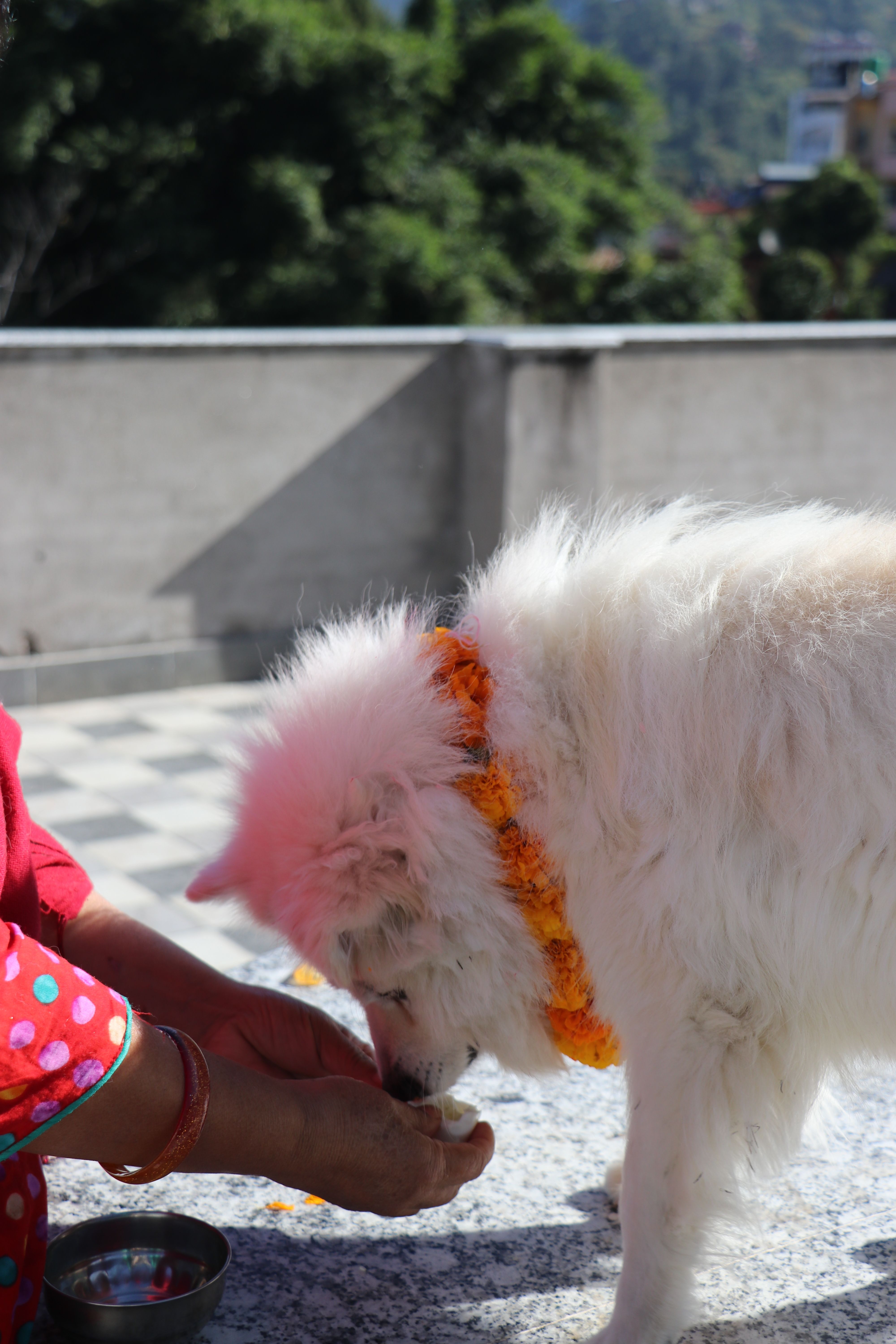
Witness and even take part in Bhai Tika, an auspicious ceremony where sisters put colorful Tika on their brother’s forehead wishing for their safety and wellbeing. Contact Attentive Holiday Tours & Travel to experience Tihar festival 2026 in full comfort this November during your stay in Nepal!
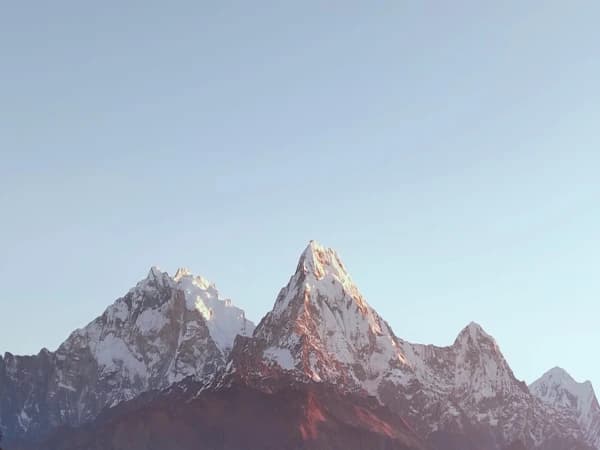
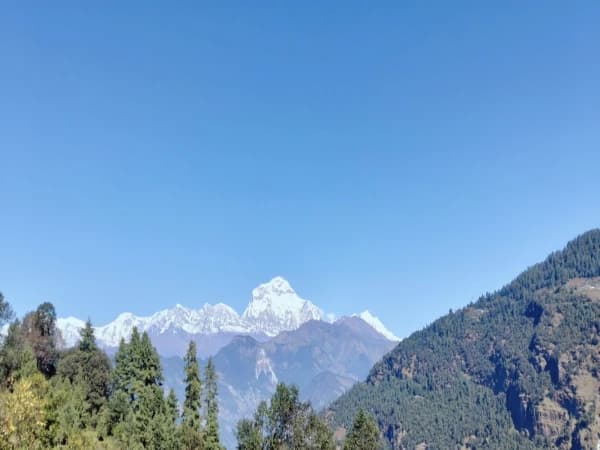
Trekking in Nepal is also open during this festival time. In fact, trekking gets even better with the celebrations of Tihar in full bloom. The cultural villages on the trails become more lively and vibrant with garlands and traditional lamps. Contact us to book your treks to Annapurna, Everest or for short day hikes near Kathmandu during Tihar this November!
Tihar Festival 2026 Dates and Complete Day by Day Schedule
Tihar 2026 starts from November 7 to November 11 as per English calendar and from Kartik 21 to Kartik 25 as per Nepali calendar. The festival of Tihar runs for 5 days. In 2026 AD or 2083 BS, Laxmi Puja falls on the same day as Kukur Tihar on November 8. But don’t worry, the celebrations will still continue for all 5 days with flowers, colourful lights, firecrackers and Deusi Bhailo on the streets.
Tihar 2026 Dates and Day by Day Schedule
| Day |
Date (BS) |
Date (AD) |
Celebration |
Activities |
| Saturday, Day 1 |
Kartik 21 |
November 7 |
Kaag Tihar |
Worshiping and feeding crows |
| Sunday, Day 2 |
Kartik 22 |
November 8 |
Kukur Tihar |
Worshiping dogs with tika, garland and feeding them with tasty food |
| Sunday, Day 2 |
Kartik 22 |
November 8 |
Laxmi Puja |
Worshiping Goddess Laxmi, making rangolis, lighting oil lamps |
| Monday, Day 3 |
Kartik 23 |
November 9 |
Gai Tihar |
Worshiping cows with tika, garlands and grass |
| Tuesday, Day 4 |
Kartik 24 |
November 10 |
Gobardhan Puja & Mha Puja |
Worshiping oxen with tika, garland and grass, Self-worship ceremony of Newar community |
| Wednesday, Day 5 |
Kartik 25 |
November 11 |
Bhai Tika |
Exchanging vertical seven-colored tika, Marigold garland and blessings between brother and sisters |
Why do Nepalese celebrate Tihar?
Nepalese people celebrate Tihar to honour animals, worship Goddess Laxmi, seek prosperity and family wellbeing. It teaches us to respect and love voiceless animals that have been our companions for the longest times. The cutest tradition of Tihar is definitely on Kukur (Dog) Tihar when you worship your furry friends with tika, garland and tasty food to honor their loyalty and companionship in our lives. People worship cows that have been our cattle and source of dairy for centuries. Crows are also worshipped who play an important role in biodiversity in nature. The celebration of Tihar reflects the importance of living harmoniously with animals and nature.
Each day of celebration has a different purpose:
- Kaag Tihar: People feed crows, which are regarded as messengers of Yama and an important part of maintaining balance in the natural ecosystem.
- Kukur Tihar: People honour dogs for their loyalty and love as pets and family members and also their religious association with Yamaraj.
- Laxmi Puja: People worship Goddess of wealth, Laxmi to seek prosperity, wealth and good fortune to their families.
- Gai Tihar: People honour cows for their religious, agricultural and dairy importance since ancient Nepalese societies.
- Goru Tihar and Govardhan Puja: People worship oxen to express gratitude for their role in ploughing agricultural fields and worship Govardhan Hill in remembrance of Lord Krishna.
- Mha Puja: Newar families celebrating Swanti worship themselves for Nepal Sambat which is the new year of Newari calendar.
- Bhai Tika: Sisters pray for the wellbeing and long lives of their brothers.
Tihar is related to the events of Yamaraj, the Hindu god of death. According to tradition, Yamaraj visited his sister Yamuna who welcomed, worshipped and treated him with affection and tasty food. The entire 5 days of Tihar follow these same rituals and Bhai Tika at the end for prosperity and long life of siblings.
How do people celebrate Tihar festival in Nepal?
People celebrate Tihar festival in Nepal by worshipping animals, cleaning and decorating their homes, lighting oil lamps, singing traditional Deusi-Bhailo songs and siblings gathering together for Bhai Tika.
The most common activities of Tihar festival are as follows:
- Cleaning and decorating homes: Before the festival begins, people give their homes and places a deep clean and decorate them with electric lights, oil lamps as well as garlands at gates, balconies, doorframes and windows.
- Making rangoli: People use different powdered colors to create decorative patterns at their doorways and compounds. They make use of rice flour, flower petals, diyos, candles, etc. to create attractive designs. People make rangolis in the belief that it welcomes and attracts Goddess Laxmi and her fortune into their homes in the evening of Laxmi Puja.
- Lighting diyos: People light cotton battis and wicks in traditional clay lamps and decorate their homes with illuminating lamps on doorways, staircases, balconies, rooftops and so on. The clay lamps are filled with oil and the diyos light because of oil.
- Worshipping animals: People offer food, tika and flower garlands to crows, dogs, cows and oxen on their respective festival days to honor their companionship in people’s daily lives.
- Playing Deusi-Bhailo: Groups of singers visit neighbouring houses and perform traditional songs and dances which are associated with bringing good fortune to the homes and their families. In exchange, the homeowners thank them with gifts, sel roti, rice and money.
- Preparing festive food: Families prepare sel roti, sweets, traditional snacks and special meals to share with relatives and visitors.
- Exchanging Tika: Brothers and sisters exchange tika on each other’s forehead and give each other gifts, money, sweets and blessings during Bhai Tika.
What are some other names of the Tihar festival in Nepal?
Tihar festival is also known as Deepawali, Yamapanchak, Festival of lights and Swanti. These are the names of Tihar in Nepal depending on cultural and religious context.
Deepawali
‘Deep’ means rays of light and since the festival is all about illuminating houses, shops and the whole street, Tihar is also known as Deepawali. It is the name which is associated with oil lamps, electric lights and the illumination of the whole country.
Yamapanchak
Yamapanchak is another name of Tihar festival which is associated with the Hindu god of death, Yamaraj. It follows a religious belief of worship of Yama’s messenger crows, his guards of afterlife dogs and the warm welcome and offerings of food he received from his sister Yamuna throughout his 5 day visit.
Swanti
It is the Newari festival which is the corresponding five-day festival of Tihar. The celebrations are closely related to Tihar but the names of some days are different. Mha Puja during Swanti is different from Tihar. People worship themselves purifying and empowering the soul to mark the New Year of the Nepal Sambat calendar. And Bhai Tika is known as Kija Puja during Swanti, celebrated by the Newari people.
Festival of Lights
Tihar is internationally known as the ‘Festival of Lights’. It is a popular name for the festival in English for the entire world which simply refers to the tradition of illuminating homes with oil lamps and decorative lights.
Why is Tihar festival also known as Yamapanchak?
Tihar is known as Yamapanchak since the festival is associated with Yamaraj, the Hindu god of death for 5 days. The word Panchak means five or collectively five and the word Yama comes from the name of the deity Yamaraj himself. These words combine to form Yamapanchak which is another important name for Tihar festival in Nepal.
It is important to understand the traditional beliefs as to why Tihar is referred to as Yamapanchak. According to Hindu beliefs, Yamaraj visited Yamuna, his sister, for five days. In those five days, she welcomed him and took well care of him with delicious food and blessings.
Also, the animals that people worship during Tihar are associated with Yama. Crows are his messengers and dogs are his guards that defend the path between life and the afterlife. Bhai Tika is a ceremony where sisters pray for their brother’s wellbeing and long life by supposedly protecting them from the reach of Yamaraj, the god of death.
The ceremony is believed to ask for the brother's long life in exchange for tasty food, colorful tika, blessings and garlands which follows the story of Yama and his sister Yamuna during his 5 day visit.
Foods to try during Tihar festival 2026 in Nepal
Food is a big part of Tihar festival in Nepal. People prepare several traditional delicacies as offerings for Goddess Laxmi during Laxmi puja. They also prepare many hearty snacks, sweets, and meals for celebrations like Mha puja and Bhai Tika when relatives and families gather together. You should definitely try some of these traditional delicacies during the festival of Tihar. They are widely available at sweet shops and local vendors who prepare them just for the occasion of Tihar.
Here are some of the best delicacies to try during Tihar festival in Nepal during your visit.
Sel Roti
Sel roti is the most important and popular delicacy during the festival of Tihar. It is prepared in a ring-shaped. The dish is made by frying rice flour batter which includes ghee, sugar or jaggery. After it is cooked, the outside part of the Sel roti becomes crispy while the inside remains soft.
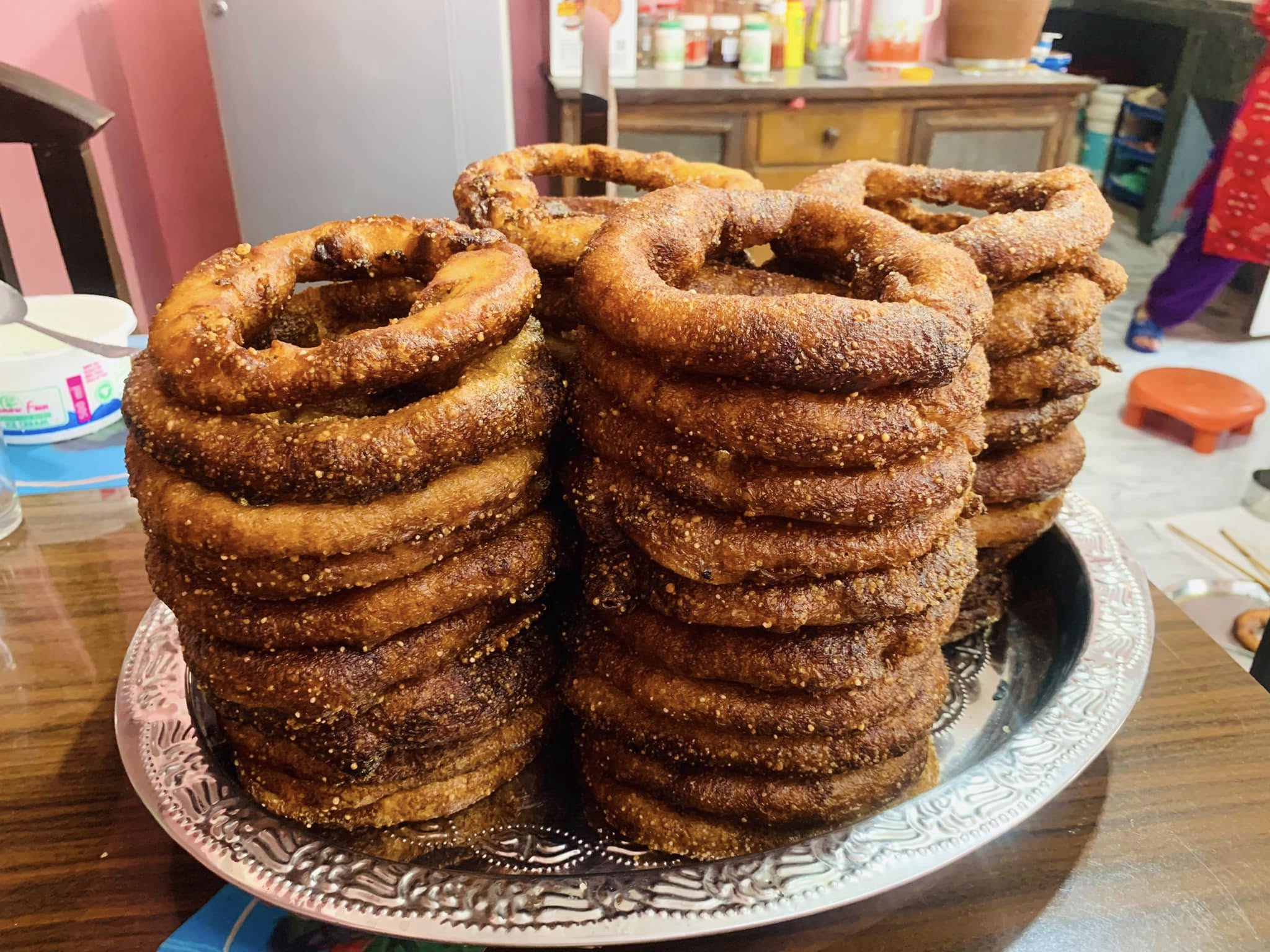
It is an important food item which is offered to Goddess Laxmi and given to brothers during Bhai Tika.
Anarsa
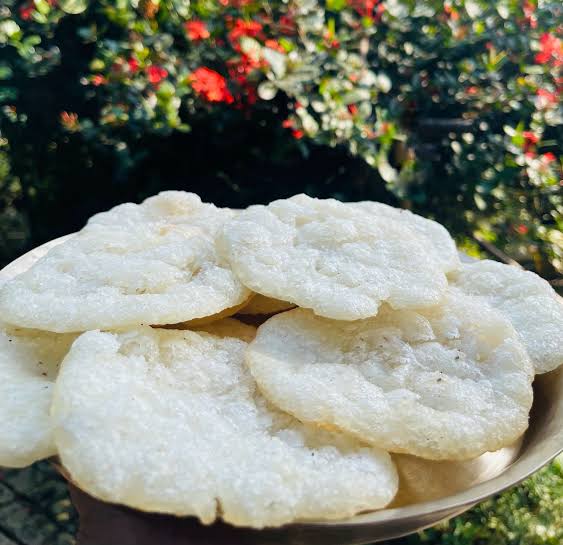
If you love a crispy snack, Anarsa is the way to go. It is a traditional sweet which people prepare from rice flour, sugar or jaggery and sesame seeds. You mix these ingredients to make batter, and give it small and flat shapes. Then it is fried in oil until it becomes crispy. The mildly sweet taste and the crunchy texture makes it a popular festive snack during Tihar.
Nimki
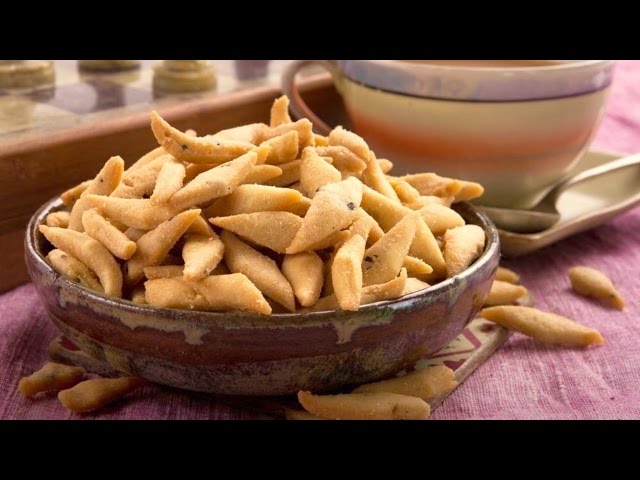
Unlike other items, Nimki is not sweet. It is made from flour which is cut in a kite shape and fried in oil until it becomes crunchy. You mix salt to taste while preparing the dough. It is the favorite snack of many people during Tihar due to its crisp texture and savoury taste.
Malpuwa
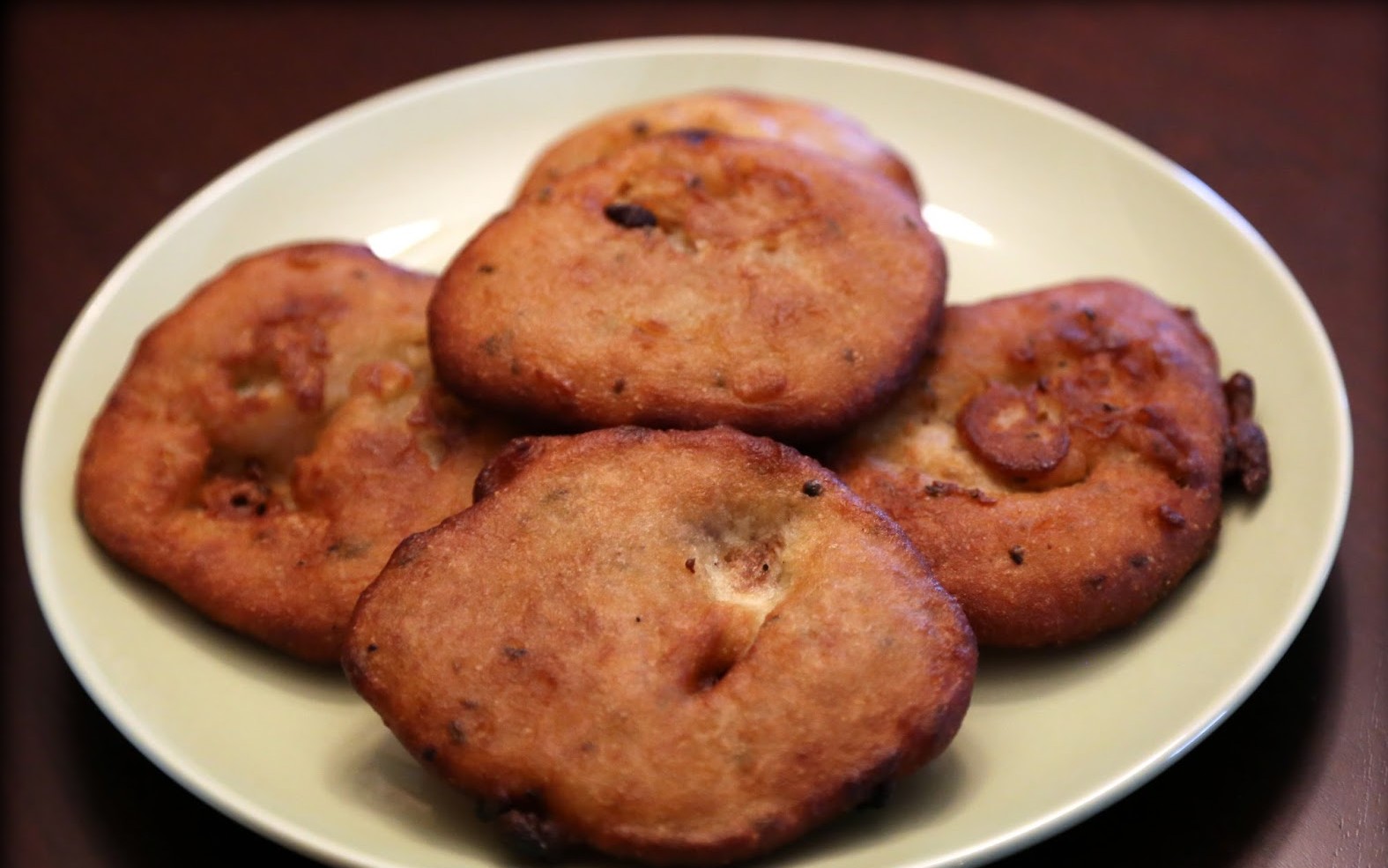
Malpuwa is a sweet and deep-fried pancake. People freshly prepare it at their home as offerings for Goddess Laxmi on the evening of Laxmi puja. It is made from a batter of flour, milk, sugar, ghee and other ingredients.
Traditional sweets
You can try different yummy sweets which are also served as offerings in Tihar rituals. Families prepare them at home or buy them from stores according to their preferences. Many tasty sweets like Rasbari, Peda, Barfi, etc. are a must try. These are all dairy based sweets which are best for dessert and are typically served with curd. My favorite without a doubt is the Rasbari. You should definitely try it!
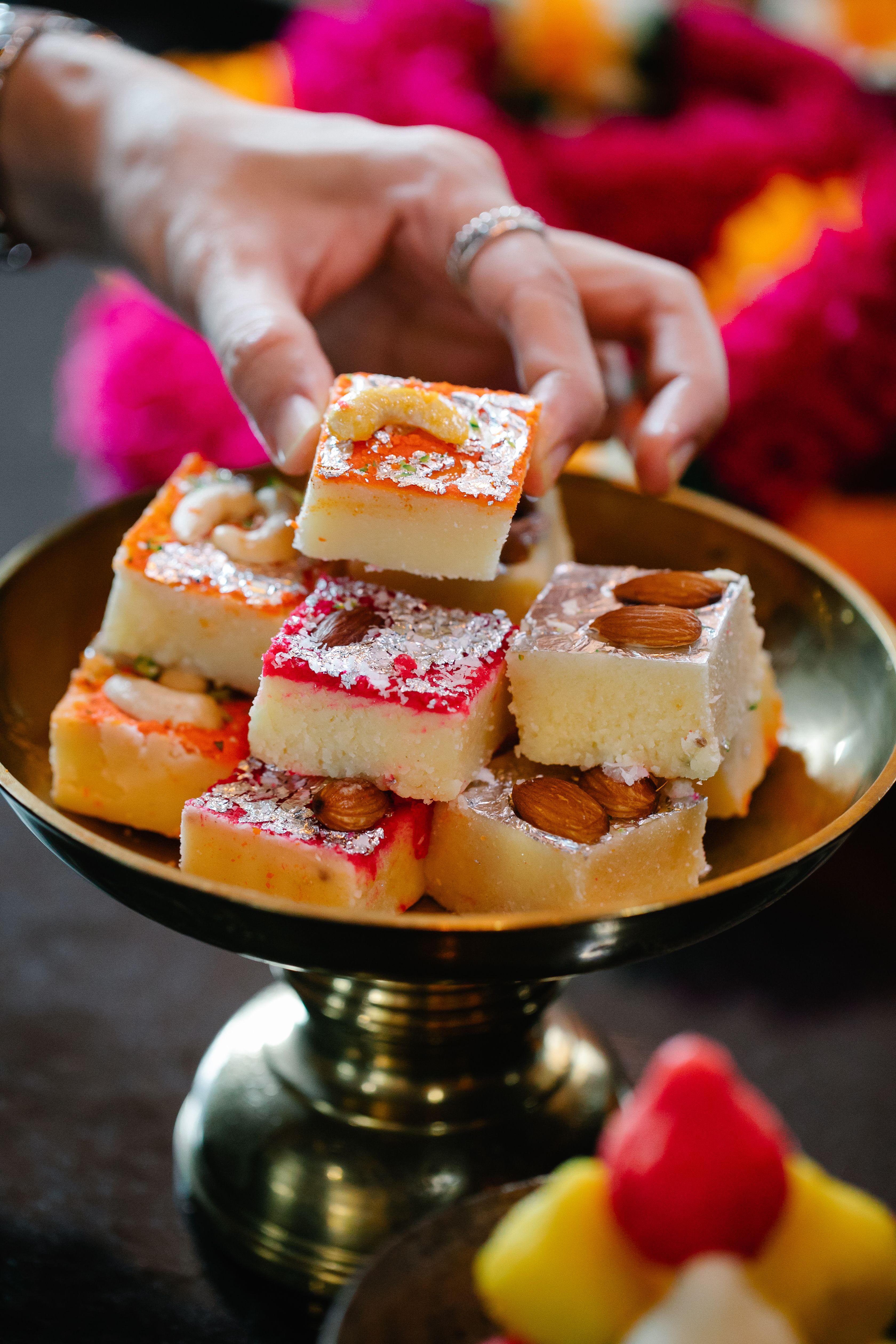
Lakhamari is also a traditional sweet but it is crunchy unlike other soft sweets. It is a dish of the Newari community which is dry in itself and can be stored for several days if you want to bring it back home.
Etiquettes to follow during Tihar festival 2026 in Nepal
It is important to respect religious beliefs, local customs and practices during festivals. Tihar festival has many celebrations that involve people and the public. You can easily witness and experience celebrations like Kaag Tihar, Kukur Tihar, Gai Tihar and Deusi Bhailo. However, there are also some private practices such as Laxmi Puja and Bhai Tika. When taking part in celebrations and observation of festive rituals and practices, make sure you do not offend or disrespect centuries-old customs.
The following are some useful etiquette tips while you observe Tihar festival 2026 in Nepal.
- Always ask politely before photographing people, rituals and celebrations.
- Respect the practices of worshipping animals such as crows, dogs, cows and oxen.
- Walk around the oil lamps, candles and rangolis that are on the road, sidewalk and avoid stepping over them.
- Avoid touching traditional diyos (oil lamps) since they are made of up clay and get super hot which can burn your hands.
- Respect private family ceremonies such as Mha Puja and Bhai Tika and only go if a family invites you.
- Enjoy the Deusi-Bhailo performances of singing and dancing groups (you can also give a small contribution to them from your side if you wish).
- Follow the instructions of your host or local guide rather while observing and enjoying Tihar 2026, the festival of lights in Nepal.
Plan the Tihar Festival Activities of 2026 with Attentive Holiday Tours & Travel
Do you want to celebrate Kukur Tihar (the Festival of Dogs) in Nepal this Tihar yourself? Or you want to feed innocent furry animals like cows and dogs to show your gratitude. Or do you want to understand the actual cultural meaning behind the celebrations of Tihar and experience it first-hand this November?
If so, look no further ahead than Attentive Holiday Tours & Travel! We can arrange a perfect festival tour for you according to your interests and what you actually want to be part of. Either you just want to celebrate a human’s best friends, dogs; or you want to experience a cultural Deusi Bhailo performance, we will curate a perfect festival holiday experience for you. If you want to experience Bhai Tika at a private household, we can arrange this experience for you. Not just festive activities, but we also run our trekking and tour programs openly with the added beauty of Kathmandu valley and also the trekking trails of Nepal.
Contact us now and let us know what experiences intrigues you the most about Tihar Festival 2026 in Nepal. We can curate a personal festival travel plan for you as per your interests.
Attentive Holiday Tours & Travel wishes you prosperity, fortune and good health in life on the auspicious occasion of Tihar Festival 2026!
FAQs about Tihar Festival 2026 in Nepal
1. When does Tihar 2026 start and end?
Tihar festival in 2026 starts from November 7 and ends on November 11. According to Nepali Bikram Sambat calendar, Tihar starts from Kartik 21 and ends on Kartik 11 on the day of Bhai Tika.
2. What animals do people worship during Tihar?
People worship crows, dogs, cows and oxen during the festival of Tihar. These animals are the companions of people and their daily lives. Dogs are pets and family members, cows are cattle and oxen help plough the fields for plantation. In Hindu practices these animals are associated with gods carrying religious significance as well.
3. What are the 5 days of Tihar festival in Nepal?
The five days of Tihar festival are Kaag Tihar (worship of crows), Kukur Tihar (worship of dogs), Gai Puja and Laxmi Puja (worship of cows and Goddess Laxmi, the deity of wealth), Gobardhan & Mha Puja (Newari ceremony of worshiping oneself) and Bhai Tika (colorful tika and marigold garland exchange between brothers and sisters for their wellbeing).
4. When is Bhai Tika 2026?
In Tihar 2026, Bhai Tika falls on November 11 according to the English calendar. As per Nepali calendar, it falls on Kartik 25. The sait (auspicious time) of Bhai Tika 2026 AD/ 2083 BS is at 11:07 A.M in the morning.
5. Is Tihar the same as Diwali in India?
Apart from worshiping Goddess Laxmi and lighting oil lamps, traditions involving the worship of animals and ceremony of Bhai Tika on the other four days make Tihar different from Diwali in India. Tihar is also called Deepawali in Nepal unlike Diwali in India.
6. Is Kathmandu a good place to experience the festival of Tihar in Nepal?
Yes, Kathmandu offers one of the experiences of Tihar with traditional and lively neighbourhoods, temples and residential streets decorated with flowers, garland and oil lamps. You can experience colorful Rangolis on the sidewalks, in front of stores and homes. In the evening, you can witness Deusi and Bhailo dance performances by groups of people with folk musical instruments as well as well organized bands. It is perfect for exploring the festive decorations and celebrations.
7. Can foreigners participate in Bhai Tika celebrations?
Yes, foreigners can also participate and celebrate Bhai Tika with a Nepali family but with their invitation. Unlike other days of Tihar, Bhai Tika is a personal family celebration where sisters and brothers exchange Saptarangi Tika (Seven-coloured Tika) and marigold garlands. Siblings observe this festival for their well-being. You can definitely take part in it following its true significance when a family invites you.
8. Which days of Tihar are best for sightseeing in Nepal?
The best day of Tihar for sightseeing is mainly during Laxmi Puja which falls usually on the third day. During Tihar 2026, Laxmi puja falls on day 2. This day is perfect for witnessing bright oil lamps, colorful lights, worship of Goddess Laxmi in the evening, Deusi Bhailo groups singing and dancing and enjoying the freshly cooked Sel Roti. If you love dogs, Kukur Tihar might be better for you as you get to see every pet as well as street dogs celebrated with garlands, tika, tasty food and flowers.
9. Which day is the best to see decorative lights during Tihar?
People start decorating their houses, businesses and shops with decorative lighting from the first day of Tihar. However, the absolute best time for it is on the evening of Laxmi Puja when oil lamps, candles, electric lights and flowers make the whole city bright and vibrant.
10. Can visitors continue trekking in Nepal during the Tihar holiday?
Yes, trekking in most established routes stays open during Tihar. In fact, trekking during Tihar holidays adds greater cultural immersion and festive thrills at the villages on the trails. Some operators and local businesses may take one to two days off to celebrate Tihar with their families. If you are looking to travel across Nepal during the Tihar festive season, look no further than Attentive Holiday Tours & Travel.
11. How is Tihar different from Dashain in Nepal?
Tihar is different from Dashain festival in Nepal since it celebrates animals, Goddess Laxmi and siblings’ safety and wellbeing. On the other hand, Dashain celebrates Goddess Durga's victory over evil with animal sacrifice, family reunions and Tika with blessings from elders. Tihar is the festival of light and flowers when every home shines bright with colorful rangolis, oil lamps, garlands and the sounds of Deusi-Bhailo performances.
12. Is Tihar a good time to visit Nepal for the first time?
Tihar is a good time to visit Nepal for your first visit since it falls during autumn season which is also the peak season for travel, tours and trekking. You can also combine your holidays with the festivals for a more authentic and deeper cultural immersion.