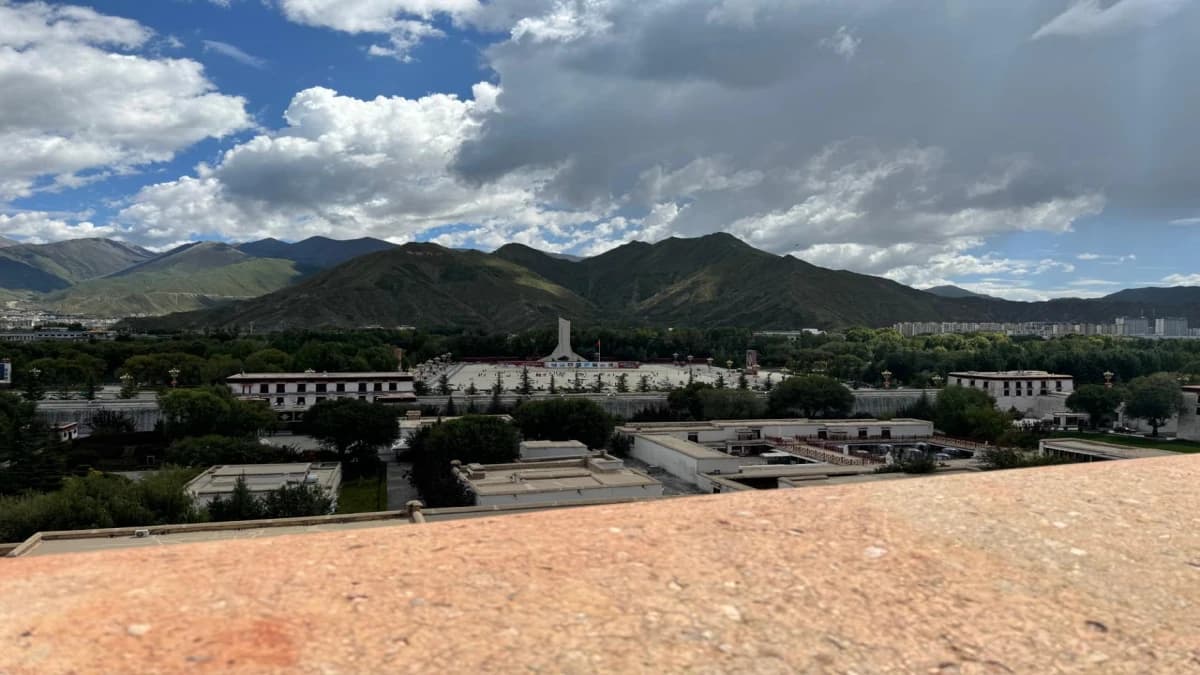
“Complete Nepal to Tibet Tour Guide – Explore Lhasa and Beyond”
Nepal Tibet Tour is a journey to the vibrant destinations of Nepal combined with ancient and historical destinations of the Tibetan plateau. Most travelers who come to Nepal look north at some point and wonder what the other side of the mountains holds? The answer is Tibet also known as the ‘Roof of the World’. Officially known as Tibet Autonomous Region (TAR) of China. Also, getting to Tibet from Nepal is not only possible but is one of the most dramatic border crossings in the world.
The Tibet Nepal Tour connects two of Asia's most extraordinary destinations in a single trip. Whether you fly from Kathmandu to Lhasa or drive through the Friendship Highway also known as China-Nepal Highway. You will cross a border that separates not just two countries, but two entirely different worlds.
This guide covers everything you need to plan your Tibet Tour. From the Tibet entry permits you need, the best time for a Tibet tour, tips on Tibet altitude to what to actually expect when you get there. It is a carefully crafted travel guide to enhance your Tibet experience.
What is Nepal Tibet Tour?
A Nepal Tibet Tour is a combined travel itinerary that covers highlights in both Nepal and Tibet. The holiday usually uses Kathmandu as the starting and the ending point. Travelers enter Tibet from Nepal either by flying into Lhasa or driving overland via the Rasuwagadhi, Gyirong border.
You can state it as two trips combined into one single holiday. It explores Kathmandu UNESCO sites and nearby hillstations in Nepal and cultural, spiritual and scenic sites in Tibet. You might spend a few days in Kathmandu, explore historic heritage sites and then cross into Tibet. After crossing you experience Lhasa, visit Everest Base Camp Tibet side and drive through one of the world's highest and remote landscapes while seeing Everest from the north face.
The Tibet tour works in both directions. Some travelers choose to start in Lhasa and finish in Kathmandu. Whereas, others begin in Kathmandu and cross into Tibet in their trip.
Tibet Tourism is strictly monitored by the government of China. Which is why tours can only be organized by licensed tour operators and agencies. Tibet travel permits are impossible to arrange independently.
Tibet Tour from Nepal Highlights
Major Highlights of Tibet Tour
- Kathmandu Valley UNESCO World Heritage Sites, Pashupatinath Temple, Boudhanath Stupa, Swayambhunath (Monkey Temple) and Kathmandu Durbar Square.
- Panoramic mountain vistas from Nagarkot, sunrise over the Himalayas and the sites of peaks such as Langtang and Ganesh Himal.
- Cultural Immersion in the ancient town of Bhaktapur and its Newari history, art and traditions.
- The Potala Palace, Lhasa, is the red and white palace in every photo of Tibet. It is beautiful and majestic and also the former residence of the Dalai Lama.
- Jokhang Temple, the most sacred temple in Tibet which attracts pilgrims from all over the world. It is the beating heart of Tibetan Buddhism.
- Barkhor Circuit, the circular pilgrimage route around Jokhang Temple doubles as a lively market street which has been present since ancient Lhasa.
- Sera and Drepung Monasteries are two of Tibet's great monastic institutions. Sera's famous debate courtyard, where monks engage in animated philosophical debate each afternoon, is something you won't see anywhere else.
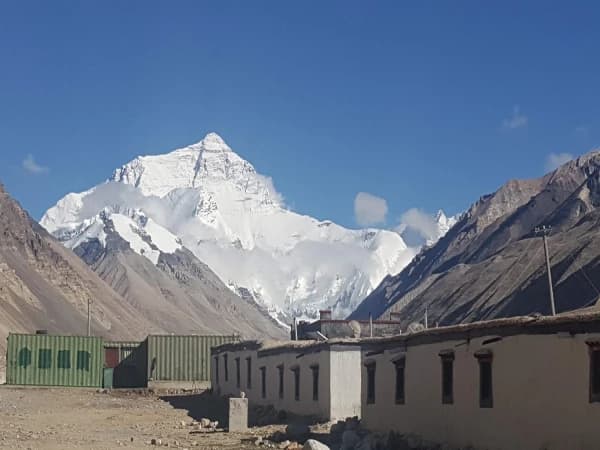
- Driving to Everest Base Camp (North Side) is a completely different experience than trekking to it from Nepal. Close-up views of Everest's north face and the Rongbuk Monastery, the highest monastery in the world.
- Friendship Highway, the 900km China-Nepal road connecting Lhasa to Kathmandu passes through some of the most remote and dramatic scenery on earth. High mountain passes, open plateau and Himalayan views the whole way.
- Tashilhunpo Monastery, Shigatse, the residence of the Panchen Lama is one of Tibet's largest monasteries and feels less touristy than the major Lhasa sites.
- Gyantse Kumbum, a multi-storey stupa containing dozens of chapels is well-preserved and often overlooked by visitors travelling between Lhasa and EBC Tibet side.
- Yamdrok and Namtso Lakes are sacred turquoise lakes at high altitude which is one of the most photographed stretches of road in all of China due to its scenic beauty.
Why Should you Visit Tibet from Nepal?
Entering Tibet from Nepal is the most scenic and geographically logical way of visiting Tibet for international travelers. The combined Nepal and Tibet trip makes practical sense, costs less than two separate trips and allows you to approach Tibet through one of the most dramatic landscape transitions on the planet.
These are few specific and practical reasons why Nepal as the entry point to Tibet works so well:
- The Money: A flight from Kathmandu to Lhasa takes about an hour and a half. Along with that, the cost is significantly less compared to flying from Beijing or Shanghai. For travelers already spending time in Nepal, there's no need to backtrack.
- The scenery: Whether you fly or drive, the approach to Tibet from Nepal is spectacular. The flight from Kathmandu offers Himalayan views on a clear day that are genuinely hard to believe. The overland drive through the Gyirong border is arguably the most dramatic high altitude road journey in Asia.
- Nepal Tibet Shared Heritage: You can combine two bucket-list destinations. Nepal and Tibet share geography, culture and Tibetan Buddhist heritage. Still they feel like completely different worlds. Doing both in one trip makes for a richer experience than either alone.
- Acclimatization in Kathmandu: At around 1,400 meters, Kathmandu is already higher in elevation than visitors who are living at or around sea level. This already makes your body familiar and gives time to adjust to elevation gain before heading up to Lhasa at 3,650 meters. Many tour operators build in 2 to 3 nights in Nepal before flying to Lhasa for exactly this reason.
How to Get to Lhasa Tibet from Nepal?
There are two ways of getting from Nepal to Tibet which are a flight from Kathmandu to Lhasa and drive overland across the Nepal-Tibet border at Gyirong (also written as Kerung). Both of these options are better in their own ways. Here is how they compare:
Tibet by air from Nepal
Air China and Sichuan Airlines operate direct flight for the Kathmandu-Lhasa route. Flights depart in the morning and arrive around afternoon Lhasa time. On a clear day, the views of the Himalayas from your airplane window are magical.
The sheer advantage of flying is speed and comfort, especially if you're short on time. The only downside being that you arrive at a higher altitude quickly. This increases the risk of altitude sickness significantly, and especially if you are relatively unfit. If you choose this option, you are advised to rest for at least a day in Lhasa before doing any physical or tiring activity. This helps you acclimatize to the sudden elevation gain.
Tibet Overland from Nepal via Kerung Border Crossing
The overland route from Kathmandu to Lhasa goes north from Kathmandu, crosses the border near Rasuwagadhi at Kerung (on the Nepal side) and Gyirong Town (on the Tibet side). After that the drive follows the China-Nepal highway east to Lhasa.
The overland route to Lhasa from Nepal has two main advantages. First, the scenery of transitioning into the Tibetan high altitude rough mountain roads from Nepal is extraordinary. You cross high mountain passes, drive through remote Tibetan towns and have time to acclimatize gradually as you gain altitude over several days. Second, it allows for a more relaxed pace with stops at iconic Everest Base Camp Tibet side, Gyantse and Shigatse along the way.
The old Kodari border crossing (via Tatopani) has been effectively closed since the 2015 earthquake. Gyirong is now the only functional land border for travelers.
What are the Options for a Tibet Tour from Nepal ?
Tibet Tour packages from Nepal generally are separated into two options: Flight or overland. Based on how you enter and exit Tibet, tour operators have designed itineraries which include fly in and out of Tibet, overland drive in and out of Tibet, fly in and drive out and vice versa. Each has different price points, time requirements and experiences. Your choice depends mainly on how much time you have and what you want to see.
Tibet Overland Tour from Nepal
The Tibet overland tour from Nepal drives both ways: Kathmandu to Lhasa and Lhasa back to Kathmandu via the Nepal-China Highway. This is the longest and most comprehensive option, usually running 12 to 14 days, and the one that gives you the most time in the landscape.
Tibet Overland Tour from Nepal Itinerary
Day 01: Arrival in Kathmandu and visa process
Day 02: Kathmandu UNESCO heritages Sightseeing
Day 03: Drive to Nagarkot via Bhaktapur from Kathmandu
Day 04: Return back from Nagarkot to Kathmandu
Day 05: Drive from Kathmandu to Kerung
Day 06: Drive to Tingri via EBC from Kerung
Day 07: Drive from Tingri to Shigatse
Day 08: Drive from Shigatse to Lhasa
Day 09: Sightseeing in Lhasa
Day 10: Exploration in Lhasa
Day 11: Drive back from Lhasa to Shegar
Day 12: Drive back to Kathmandu from Shegar
Day 13: Departure from Kathmandu
Tibet Fly In Fly Out Tour from Nepal
Tibet fly in and out tour package from Nepal completely skips the road journey and opts for two way flights for entering and exiting Lhasa from Kathmandu. This is usually a 9 to 11 days journey, saving time and effort for a Tibet tour package from Kathmandu. The flight tour makes it easier for elderly citizens by removing the long overland travel days. It is very popular among tourists with limited time and who want a Lhasa focused exploration.
Tibet Fly In Fly Out Tour from Nepal Itinerary
Day 01: Arrival in Kathmandu and visa process
Day 02: Kathmandu Sightseeing
Day 03: Drive to Nagarkot via Bhaktapur from Kathmandu
Day 04: Return back from Nagarkot to Kathmandu
Day 05: Fly from Kathmandu to Lhasa
Day 06: Lhasa Sightseeing
Day 07: Lhasa Exploration
Day 08: Drive to Gyantse via Yamdrok Lake
Day 09: Drive to Shigatse and back to Lhasa via the Northern Friendship Highway
Day 10: Fly back to Kathmandu from Lhasa
Day 11: Final departure from Nepal
Tibet Drive In Fly Out Tour from Nepal
The overland to Tibet and fly back tour from Nepal is a tour package designed to skip the repetitive one way journey. Tibet drive in fly out tour takes you overland across the Kerung border near Rasuwagadhi from Nepal then along the China-Nepal highway. The long drive along the friendship highway gives you the opportunity to witness Tibet’s plateau and mountain landscape while exploring ancient towns and monasteries.
Carefully at the end, this Tibet tour package avoids repeating the same route back to Nepal and instead flies you by air. This allows for getting aerial as well as overland views of Nepal and Tibet’s Himalayas and high altitude landscapes.
Tibet Drive In Fly Out Tour from Nepal Itinerary
Day 01: Arrival in Kathmandu and visa process
Day 02: Kathmandu UNESCO Sightseeing
Day 03: Drive to Nagarkot via Bhaktapur from Kathmandu
Day 04: Return back from Nagarkot to Kathmandu
Day 05: Drive from Kathmandu to Kerung
Day 06: Drive to Tingri via EBC
Day 07: Drive from Tingri to Shigatse
Day 08: Drive from Shigatse to Lhasa
Day 09: Sightseeing in Lhasa
Day 10: Exploration in Lhasa
Day 11: Fly from Lhasa to Kathmandu
Day 12: Departure from Nepal
Tibet Fly In Drive Out Tour from Nepal
Tibet Fly In Drive Out is a Tibet holiday tour including Nepal which combines an aerial flight to Lhasa and overland journey back to Kathmandu. This allows visitors the chance to experience the highlights of both overland and aerial trips of Tibet and Nepal. It also avoids repeating the same route. Nepal Tibet Fly In Drive Out itinerary usually is of around 12 to 14 days.
Tibet Fly In Drive Out Tour from Nepal Itinerary
Day 01: Arrival in Kathmandu and visa process
Day 02: Kathmandu UNESCO Sightseeing
Day 03: Drive to Nagarkot via Bhaktapur from Kathmandu
Day 04: Return back from Nagarkot to Kathmandu
Day 05: Fly from Kathmandu to Lhasa
Day 06: Sightseeing in Lhasa
Day 07: Lhasa exploration
Day 08: Drive from Lhasa to Gyantse
Day 09: Drive from Gyantse to Shigatse
Day 10: Drive from Shigatse to Tingri
Day 11: Drive from Tingri to Kerung border via EBC
Day 12: Drive to Kathmandu
Day 13: Final Departure
Kathmandu Lhasa Tour with Kailash Extension
If you are looking to extend your journey in Tibet and its spiritual land, the Mount Kailash extension is very popular and meaningful. Kathmandu Lhasa Tour with Kailash extension combines the highlights of Lhasa with drive to Kailash. This is a longer but spiritual Tibet tour package from Nepal.
Kathmandu Lhasa Tour with Kailash Extension Itinerary
Day 01: Arrival in Kathmandu and visa processing
Day 02: Sightseeing in Kathmandu
Day 03: Fly from Kathmandu to Lhasa
Day 04: Lhasa sightseeing
Day 05: Lhasa exploration
Day 06: Drive to Gyantse from Lhasa
Day 07: Drive to Shigatse
Day 08: Drive to Saga and its nomadic landscapes
Day 09: Drive to Darchen via Lake Mansarovar
Day 10: Drive to Yamdwar Trek to Derapuk
Day 11: Trek to Zuthulpuk
Day 12: Trek back to Darchen and drive back to Saga
Day 13: Drive to Gyirong Border.
Day 14: Drive to Kathmandu.
Day 15: Final Departure from Kathmandu.
Best Time for Lhasa Tour
The best months for a Nepal Tibet (Lhasa) Tour are April to June and September to November. These are the seasons of spring and autumn which are considered the best time for a Tibet tour. These seasonal windows offer stable weather, clear skies and open mountain roads.
July and August are Tibet's rainy season which comes with increased cloud cover and occasional road closures on the highway. Whereas, January and February are bitterly cold and some attractions have reduced hours. That being said, each season brings something different to the table.
April to June (Spring)
The spring season is one of the most popular windows to visit Tibet’s highlands and for a good reason. Temperatures in Lhasa are mild, the sky is clear and the mountain views at Everest Base Camp (North Side) are excellent. Rhododendrons bloom along the highway in May. This is also when the Saga Dawa festival occurs. It is one of the most important events in the Tibetan Buddhist calendar.
July to August (Monsoon)
This is Nepal's monsoon season and Tibet itself is in a rain shadow. Hence, receives less rain than Nepal but cloud cover increases and some sections of the road can become muddy or temporarily impassable. However, Lhasa remains relatively dry. It's not impossible to travel during monsoon, but you'll see fewer clear mountain views.
September to November (Autumn)
The other peak season for Tibet visit and arguably the best for photography is the autumn season. During this time the monsoon fades, the air becomes crisp, days get brighter and autumn light makes the landscapes and monastery colors vivid. October in particular is widely considered the best single month for Tibet travel.
December to March (Winter)
It is very cold in many areas and some roads close during the winter season. Lhasa's main attractions remain open, but EBC and the highway passes can be snowed in. Winter is also popular as it offers a very few crowds and significantly lower prices.
An important thing to note is that Tibet periodically closes to foreign tourists due to politically sensitive dates and Tibetan new year. This travel restriction on Tibet occurs from mid to late February to March (the anniversary of the 1959 uprising) and major Chinese national holidays.
You should always check with your tour operator about the situation before planning and confirming travel dates.
What Permits are Required for Tibet Lhasa Tour?
All foreign tourists who are wanting to visit Tibet, need a Tibet Travel Permit (also called the Tibet Entry Permit). This is separate from a Chinese visa. Depending on where you plan to go around in Tibet, you may also need other extra permits such as the Alien Travel Permit, a Military Area Entry Permit (for areas near the border), or a Frontier Pass.
All the permits for Tibet travel cannot be arranged independently. A licensed Tibet travel operator can only issue permits for Tibet on your behalf.
Tibet Travel Permit (TTP)
It is the main permit required for all foreign visitors to visit the Tibet Autonomous Region. It is issued by the Tibet Tourism Bureau (TTB). It's applied for by your tour operator and handed to you usually at the border or at the airport if you travel by flight by your licensed Tibetan guide. It usually takes 7 to 10 working days to process. Also you need a valid Chinese visa before applying for the TTP.
China Visa
The policy of Chinese group visa for Tibet travel from Nepal requiring a group of at least 4 people has changed. As of 2025, travelers with Chinese tourist visas (L-visa) can enter Tibet without the need for a group visa. The visa processing is done by the Chinese embassy in Kathmandu and can take around 4 business days. Your tour operator handles all the necessary application steps after you provide your details.
Alien Travel Permit (ATP)
This permit is required for travel outside of Lhasa. Most of the Tibet tour packages don’t require you to get this permit. Your tour guide will carry this permit and present it at checkpoints along the route.
Military Area Entry Permit
It is required for sensitive border areas, including the road to Mount Kailash and Mansarovar.
Is Tibet Safe for Tourists?
Tibet is generally safe for tourists from a personal safety standpoint. Crime against visitors is rare. The main practical concerns are altitude sickness, road conditions on remote sections of the highway and the occasional political closure of Tibet to foreign visitors. It is absolutely safe if you come prepared for altitude, hire a reliable operator and check current entry status before planning your Nepal Tibet tour.
Can I Do a Tibet Tour with Kids?
Families with kids do travel to Tibet successfully, but it requires more planning than an adult trip. The travel to Tibet from Nepal is generally fine from a safety standpoint. The real consideration is of the higher altitude.
If you are planning a Tibet tour from Kathmandu, you should spend extra time acclimatizing before your Kathmandu to Lhasa flight or overland drive via Kerong border. Two to three nights at lower altitude helps everyone and especially children. Also prepare for altitude sickness symptoms beforehand with suitable medications like Diamox. But do not forget to consult a healthcare professional about the appropriate doses for children and adults.
On such a long trip children can get bored easily. So, you can bring small games, books and snacks to keep them entertained and patient. The journey is long but rewarding all together.
Tibet with kids is very doable and many families do it each year. The key is being realistic about your travel pace and enjoying the moment.
How to Avoid Altitude Sickness in Tibet ?
- Altitude sickness in Tibet is very common with most visitors experiencing at least mild symptoms like headache and fatigue in the first 24 to 48 hours. The key to managing it is gradual acclimatization, staying hydrated and not overexerting yourself on arrival.
- Lhasa sits at an elevation of 3,650 meters. Everest Base Camp on the Tibet side is at 5,200 meters. The high passes along the China-Nepal Highway exceed 5,000 meters. These elevations are very risky for altitude sickness.
- Minimizing the chances of altitude sickness during a Tibet tour is generally the same as avoiding altitude sickness elsewhere.
- The main factors include proper acclimatization. A Tibet tour package from Nepal gives you proper time for resting and acclimatizing in Kathmandu first before travelling to Lhasa.
- Drinking lots of water is also the key as proper hydration helps you to minimize the risk of falling sick to Acute Mountain Sickness (AMS). On top of that proper rest and diet are also important for avoiding AMS symptoms.
- If you experience any symptoms like nausea, headache, dizziness, loss of appetite, you should immediately listen to your body and either take medication or seek medical help. In that case, you should communicate it with your Tibet tour guide for immediate action.
Tibet Tour Accommodation Facility from Nepal
Accommodation in Tibet ranges from international-standard hotels in Lhasa to basic guesthouses in smaller towns. You will also find simple teahouse-style lodges near the Everest Base Camp. Lhasa has several mid-range and upscale options. Outside Lhasa, the standard drops noticeably as the area is mostly remote.
You can choose accommodation options with your tour operator where it is available like in Lhasa. You can either choose the standard 3 star hotel accommodation or opt for a luxury upgrade of your stay according to your preference and budget.
What to Pack for a Tibet Tour?
- Documentation
- Chinese visa
- Travel Permit
- Passport
- Travel insurance documents
- Printed copies of flight bookings and hotel confirmations
Clothing
- Thermal base layers (top and bottom)
- Fleece mid-layer
- Down jacket (essential at EBC Tibet side)
- Waterproof outer jacket
- Long-sleeved shirts (modest for monastery visits)
- Warm hat and gloves (cold at night even in summer)
- Hiking boots or sturdy trail shoes
Personal Hygiene
- Sunscreen SPF 50+
- Lip balm with SPF
- Moisturizer
- Toothbrush and toothpaste
- Travel size soap and shampoo
- Hand sanitizer and wet wipes
- Toilet paper and a small trowel
- Personal medications and a basic first aid kit
- Diamox
- Ibuprofen for altitude headaches and nausea
Gear
- Camera with extra memory cards and batteries
- Wide-brimmed sun hat
- Polarized sunglasses
- Reusable water bottle
- Power bank
- Universal travel adaptor
- Small daypack for monastery visits and walks
- Cash in Chinese Yuan / RMB
- Snacks for long driving days (nuts, energy bars, dried fruit)
Experience the Roof of the World with Nepal Tibet Tour
A Nepal Tibet Tour is a magical combination of two destinations which vary but also share some things in common. From visiting Kathmandu valley and its UNESCO sites to making your way through the Rasuwagadhi border into the Tibet Autonomous Region (TAR) of China. The journey presents changing landscapes. But what remains common is the magical high Himalayas of Nepal and remote trans-Himalayas of Tibet along with Tibetan Buddhism.
The Tibet tour package is also not as complicated as it might seem from the outside. The permits are handled by your operator. The options of entering Tibet from Nepal give you flexibility based on your time and interests. The logistics, once you're on the ground with a guide and a vehicle, are straightforward.
What you get in return is hard to put into simple terms. Lhasa at 3,650 meters, monasteries that have been standing for centuries, the north face of Everest through the windshield of a 4WD Land Cruiser vehicle, an open plateau stretching to the horizon under a sky that looks wider than anywhere else on earth.
Most people who do this trip come back and say the same thing that they wish they'd gone sooner. The combination of Nepal and Tibet in one journey is genuinely one of the great travel experiences available today, and entering Tibet from Nepal is the most natural way to do it.If you have sufficent budget and time another good option to go Tibet Tour with Kailsh Mansarovar.
FAQs
1. Can you visit Tibet independently?
No, foreign visitors cannot travel to Tibet independently. You must travel through a tour organized by a registered tour agency and accompanied by a licensed Tibetan guide.
2. Do I need a Chinese visa for a Nepal Tibet Tour?
Yes, a standard Chinese tourist visa is required before your Tibet travel permit can be processed. Get it from the Chinese Embassy in Kathmandu in 4 to 5 working days. When applying, do not mention Tibet in your application or travel itinerary.
3. How much does a Nepal Tibet Tour cost?
A Tibet fly-in fly-out tour from Nepal, starts from around USD 1,500 per person. A 10 to 14-day overland Nepal Tibet Tour including the EBC Tibet side costs between USD 2,000 and USD 3,500. Private tours cost more per person than small group tours since you cover the vehicle and guide costs alone.
4. What is the altitude of Lhasa and the EBC Tibet side?
Lhasa sits at 3,650 meters (11,975 ft). EBC Tibet side altitude is 5,200 meters (17,060 ft), where Rongbuk Monastery and the base camp viewpoint are located.
5. Is Tibet safe for solo female travelers?
Yes. Tibet is considered safe for solo female travelers. Since you are required to travel with a licensed guide and driver at all times, you are never navigating alone. Harassment is genuinely uncommon.
6. Is there Wi-Fi and phone connectivity in Tibet?
Wi-Fi is available in most Lhasa and Shigatse hotels. Mobile signal exists in towns along the road but disappears in remote sections and near EBC Tibet side. Google, WhatsApp and most Western apps are blocked in China so download a VPN on your phone before you leave home.
7. What food can I expect on a Tibet tour?
Lhasa has Tibetan, Chinese, Nepali and Western restaurants. Local dishes worth trying include thukpa, momos, tsampa, yak meat and butter tea. Outside Lhasa, meals are generally simpler which include rice, noodles and stir-fry.