Explore The Land Of Buddha With A Buddhist Pilgrimage Tour In Nepal
The Nepal Buddhist Pilgrimage Tour is a spiritual journey through Nepal’s most sacred and important sites for Buddhist heritage offering us a cultural experience, spiritual enlightenment and meditation opportunity in the land of Buddha. The journey takes us into the centuries old religious sites and Buddhist pilgrimage sites in Nepal. From Lumbini, the holy birthplace of Siddhartha Gautam to the Buddhist temples in Kathmandu such as the Swayambhunath, Bouddhanath and Patan’s Golden Temple (Hiranya Varna Mahavibar), we can explore the ancient and rich Buddhist heritage that Nepal has to offer. The Buddhist Pilgrimage Tour in Nepal offers insights into the life and teachings of Lord Buddha. As the birthplace of Buddha, Nepal holds immense significance for Buddhist pilgrims worldwide as the tour typically includes visits to Lumbini, where Buddha was born and Kapilvastu which was his childhood home and many other major Buddhist sites in the Kathmandu Valley. Hence this tour is ideal for both followers and travelers interested in Buddhism and its history.
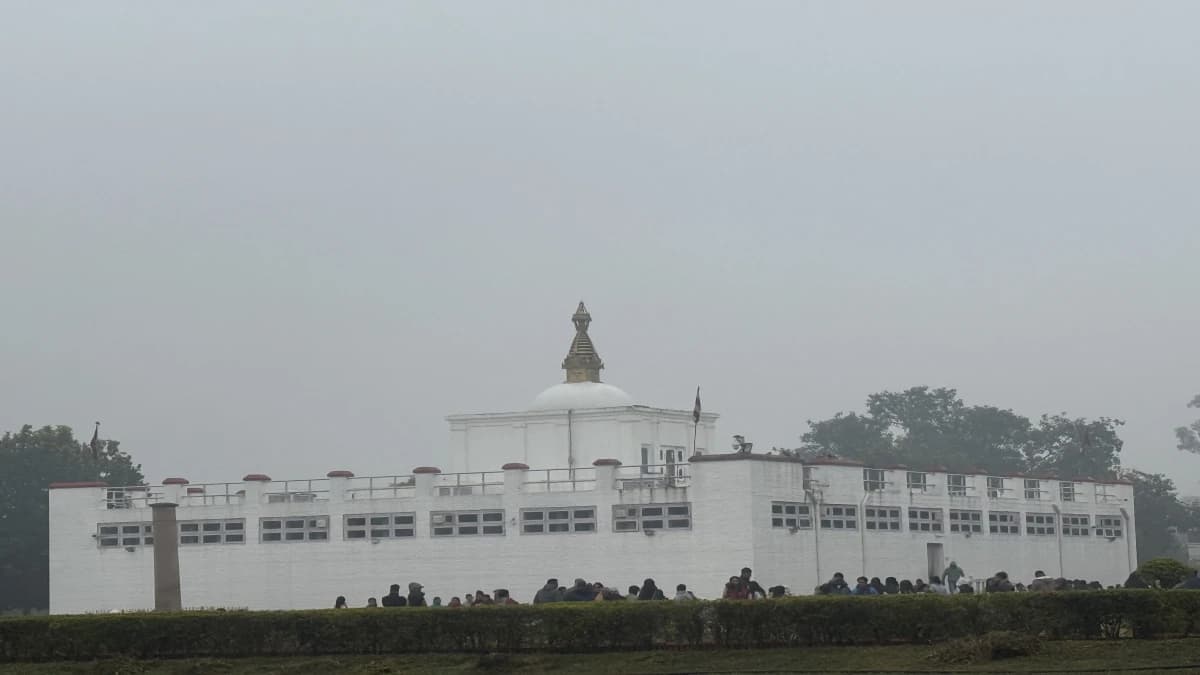
The main highlight of the tour is Lumbini and nearby areas of Kapilvastu where the birth and early childhood of Siddhartha Gautam took place. The Maya Devi temple which is believed to be the birth site of Buddha is revered as a holy site forever. The Buddhist tour in Nepal showers pilgrims with cultural immersion, spiritual exploration and teachings of Buddha. Not only that but the Buddhist pilgrimage in Nepal tour package also provides a real time experience on the prayer rituals and daily lifestyle of monks and Lamas during visits to monasteries and stupas in Kathmandu and Lumbini.
The best time for a Nepal pilgrimage tour is mainly considered during spring and autumn seasons when the climate and weather is excellent and favourable for sightseeing and constant travelling with moderate temperature, clear bright and vibrant days along with crisp visibility. Also a plus point of planning the Buddhist pilgrimage tour during spring is that you get to experience the celebration of the Buddha Jayanti (Vesak) festival which is observed for Buddha’s birthday. While monsoon and winter seasons can also be feasible and less crowded for the tour, it is not recommended as monsoon brings heavy rainfall along with risky road conditions, blockades and landslides with winter being extra chilly and of low visibility.
Safety and comfort are prioritized throughout the Nepal Buddhist pilgrimage tour package. Nepal is renowned for its peaceful environment and friendly hospitality, ranked as one of the safest countries in South Asia. Travelers can feel secure exploring sacred sites, rural villages, and even remote temples, knowing that the local communities are welcoming and respectful. The tour package also emphasizes comfort, hygiene and convenience. We are accommodated in 3 stars Buddhist heritage hotels near the pilgrimage in Kathmandu and Lumbini. The accommodation provides us restful sleep, nutritious meals and a welcoming ambiance. The food offered is hygienic, healthy and often features traditional Nepalese cuisine, allowing pilgrims to enjoy authentic flavors during their spiritual journey. With a thoughtfully designed Buddhist pilgrimage tour itinerary for every age people, reliable transportation and attentive guidance, the Nepal Buddhist Pilgrimage Tour ensures a balanced, enriching and truly transformative experience.
Nepal Buddhist Pilgrimage Tour Highlights
- Visit Lumbini, the sacred birthplace of Lord Buddha where you can walk through the Maya Devi Temple, Ashoka Pillar, Sacred Garden and experience Monastic zones.
- Experience the spiritual atmosphere of Boudhanath Stupa, one of the world’s largest Buddhist stupas as pilgrims perform kora, monks chant prayers and butter lamps glow in the evening.
- Explore the hilltop Swayambhunath Stupa (Monkey Temple) and witness sweeping 360 degree views of the Kathmandu Valley while spinning prayer wheels and soaking in its peaceful energy.
- Discover Patan’s hidden Buddhist treasures including the Golden Temple, Rudra Varna Mahavihar and the beautifully crafted Mahaboudha Temple inspired by Bodhgaya.
- Walk through the ancient ruins of Kapilvastu and Tilaurakot where Prince Siddhartha Gautam spent his early years before beginning his spiritual journey.
- Visit Kudan (Kundan), the deeply moving site where Buddha reunited with his father after attaining enlightenment.
- Explore Gotihawa which is believed to be the birthplace of Krakuchhanda Buddha offering insight into Nepal’s rich Buddhist lineage.
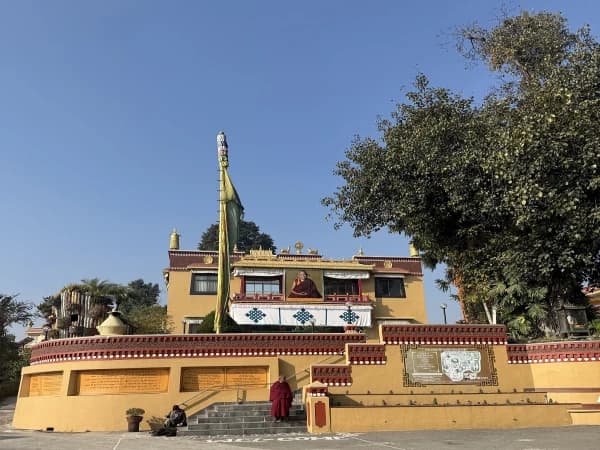
- Travel to Pharping, one of Nepal’s most important Vajrayana Buddhist sites and meditate at the sacred Asura Cave and Yanglesho Cave where Guru Rinpoche practiced.
- Observe daily monastic life, prayer rituals and chanting across monasteries in Kathmandu Valley and Lumbini.
- Enjoy a short, easy and meaningful 6-day Buddhist pilgrimage in Nepal, ideal for educational, spiritual seekers, cultural explorers and meditation-focused travelers.
- Experience a thoughtful blend of UNESCO World Heritage Sites, ancient monasteries, sacred ruins and peaceful meditation spaces.
- Travel comfortably with included domestic flights, guided sightseeing and well-selected accommodation for a smooth and enriching pilgrimage tour.
Why Nepal Is Best Destination For Buddhist Pilgrimage Tour?
Nepal is an ideal destination for a Buddhist cultural tour as the country is the hub of Buddhism. It stands as one of the most sacred destinations for Buddhist pilgrims from around the world as the birthplace of Lord Buddha. The country holds immense spiritual significance and offers an authentic journey into the heart of Buddhist teachings. Throughout a Nepal Buddhist Pilgrimage Tour, we walk in the footsteps of the Enlightened One while experiencing the living traditions that have flourished here for over 2,500 years.
Lumbini, the birthplace of Siddhartha Gautama, is the main highlight of the pilgrimage tour in Nepal. Here, we can visit the exact spot marked by the Ashoka Pillar where Queen Maya Devi gave birth to the Buddha. The sacred garden, ancient monasteries and the Maya Devi Temple create an atmosphere of profound peace and reflection. Walking through the monastic zone, we encounter temples built by Buddhist communities from around the world, each showcasing unique architectural styles while sharing the same devotional spirit. Beyond Lumbini, Nepal offers numerous sites connected to Buddha's life and the spread of Buddhism. In Kathmandu Valley, we can explore magnificent stupas like Swayambhunath and Boudhanath, both UNESCO World Heritage Sites where monks chant prayers and pilgrims circle the stupas in devotion. The ancient city of Patan houses monasteries with exquisite Buddhist art and sculptures that reveal centuries of artistic dedication to the Dharma. Nepal also provides opportunities for deep spiritual practice and learning during a Buddhist pilgrimage tour. We can participate in meditation sessions at monasteries, listen to teachings from learned lamas and monks and observe daily rituals that have remained unchanged through generations.
Another thing which makes Nepal truly unique for Buddhist pilgrims is the beautiful harmony between Hinduism and Buddhism that we witness throughout the country. Hindu and Buddhist traditions go hand in hand here, coexisting peacefully for centuries. Many sacred sites are revered by followers of both faiths and we often see Hindu and Buddhist devotees worshiping side by side. This religious tolerance reflects the inclusive nature of Nepali society and demonstrates how the compassionate teachings of Buddha have been embraced alongside Hindu philosophy.
With well-preserved important sacred sites, comfortable accommodations for pilgrims, knowledgeable guides who understand the spiritual significance of each location and safe transportation connecting all major pilgrimage destinations, Nepal provides everything needed for a transformative spiritual journey into the Buddhist heritage and culture. Hence, Nepal is perfect for a Buddhist pilgrimage tour as it becomes a sanctuary where we can walk the path of the Dharma and return home with renewed faith and inner peace.
How Safe Is Nepal For A Buddhist Pilgrimage Tour?
When we set out on a spiritual journey to sacred Buddhist sites in Nepal, safety and comfort during the pilgrimage tour naturally become important considerations that allow us to focus fully on our pilgrimage experience. Buddhist pilgrimage tour in Nepal safety and comfort are two big factors which affect our tour experience. Nepal is regarded as a safe and welcoming country for any Nepal pilgrimage tour including the Buddhist pilgrimage travelers, solo visitors, family and senior citizens and spiritual seekers from around the world. With a long-standing culture of hospitality and deep respect for Buddhism roots, pilgrims often feel a natural sense of ease and belonging while traveling through sacred and historic Buddhist pilgrimage sites in Nepal such as Lumbini, Boudhanath, Swayambhunath, Pharping monasteries, Patan’s Golden temple and many more. Additionally, Nepal is ranked as the second most peaceful country in South Asia after Bhutan. The community is strong and violence and crimes are very low.
Comfort in the Nepal Buddhist pilgrimage tour is something which is never compromised. For this spiritual journey into the Land of Buddha, we are provided with the utmost comfort throughout the tour. The accommodation in the pilgrimage tour in Nepal features 3 stars hotels with Buddhist heritage excelling in peace and tranquility. Everything is thoughtfully crafted from hotels to transport, maintaining the best service to us. Buddhist heritage hotels, many of which are located near monasteries and sacred sites are ideal for meditation, quiet time and spiritual rest, offering a calm atmosphere away from city noise while still providing modern comforts such as clean rooms, warm hospitality and nourishing meals.
Attractions And Insights During Buddhist Pilgrimage In Nepal
During the Buddhist Pilgrimage tour, we explore places and landmarks which are a part of history and a treasured Buddhist heritages in Nepal. Buddhist pilgrimage sites such as the holy birthplace of Lord Buddha himself, largest stupa in Nepal, a monkey temple situated at a hilltop along with sacred and ancient caves and monasteries from where Buddhism is believed to have flown and spread in Nepal since the ancient times are the main attractions in the educational and cultural Nepal Buddhist pilgrimage tour itinerary. We pilgrims in this beautiful spiritual journey for a Nepal pilgrimage tour visit the following attractions during the Buddhist tour package:
Swayambhunath - The Monkey Temple
- Swayambhunath is one of the oldest and most sacred Buddhist sites in Nepal, standing gracefully on a hilltop overlooking the Kathmandu Valley.
- As we visit there we find a peaceful yet vibrant spiritual atmosphere and circumambulate the Swayambhu Maha Chaitya in clockwise direction, spinning prayer wheels and chanting mantras.
- The iconic all-seeing eyes of Buddha symbolize wisdom and compassion, offering a gentle reminder of mindfulness and enlightenment.
- The site also reflects Nepal’s religious harmony where Buddhist and Hindu traditions coexist naturally.
Bouddhanath Stupa
- Bouddhanath Stupa is the largest stupa in Nepal, and serves as the spiritual heart of Tibetan Buddhism in the country.
- Encircled by monasteries and prayer flags, the stupa creates a deeply calming environment ideal for meditation and reflection.
- We also experience kora alongside monks and devotees in process gaining valuable insight into Tibetan Buddhist rituals and daily spiritual life.
- The rhythmic turning of prayer wheels and soft chants make Bouddhanath a place where our devotion feels both powerful and serene.
Patan Buddhist Sites
- The ancient city of Patan offers us a rich glimpse into Nepal’s long-standing Buddhist heritage through its beautifully preserved monasteries and temples.
- At our visit to the Golden Temple (Hiranya Varna Mahavihar) we can admire intricate golden carvings while observing centuries-old rituals still practiced today.
- As we approach and witness the Rudra Varna Mahavihar and Mahaboudha Temple which is also known as the Temple of Thousand Buddha, they further highlight the artistic and spiritual depth of Newar Buddhism.
- These sites together provide insight into how Buddhism has been woven into daily life, art and architecture over generations.
Lumbini- The Birthplace of Buddha
- Lumbini holds profound spiritual significance as the birthplace of Lord Buddha and is one of the most important Buddhist pilgrimage destinations in the world.
- On our visit, we can witness the iconic Maya Devi Temple which marks the exact spot of Buddha’s birth along with the historic Ashoka Pillar by its side.
- Walking through the Sacred Garden offers a peaceful space for quiet reflection and meditation.
- The Monastic Zone with monasteries built by different countries reveals the global influence and unity of Buddhism.
Kapilvastu- Buddha’s Early Childhood
- Kapilvastu provides us with valuable insights into the early life of Prince Siddhartha Gautama before his path toward enlightenment to becoming Buddha.
- At Tilaurakot, which is believed to be the capital of the Shakya Kingdom, we walk among ancient ruins that tell the story of Buddha’s royal upbringing.
- Visits to Kudan and Gotihawa deepen the understanding of Buddha’s personal journey and his connections with family and past Buddhas.
- This part of the tour bridges the transition between worldly life and spiritual awakening.
- Pharping Monastery and Meditation Caves
- Pharping is another deeply spiritual site associated with Vajrayana Buddhism and Guru Rinpoche’s meditation practices.
- We also explore the Asura Cave and Yanglesho Cave are revered as places where profound spiritual realizations are believed to have occurred.
- During our journey we can experience a quiet, contemplative environment ideal for meditation and inner reflection.
- Along with visits to Pharping Monastery and the Vajrayogini Temple the tour offers the pilgrims insights into tantric Buddhist traditions and monastic discipline.
What Is The Best Time For A Nepal Buddhist Pilgrimage Tour?
Touring in Nepal is best favourable by weather in the seasons of spring and autumn. Hence, the best time for a Nepal Buddhist Pilgrimage Tour is during March to May of the spring season and September to November of the autumn season. Late April and early May is the perfect time for a Buddhist tour in Nepal as Vesak falls in these months. Vesak or Buddha Jayanti is celebrated to commemorate the birth, enlightenment (Buddhahood) and passing (Parinirvana) of Gautama Buddha which is a very significant event in the Buddhist community. Hence, if we plan for the best time for a Buddhist pilgrimage tour in Nepal accordingly we can also experience the celebration of Vesak.
In addition to that, spring season offers pilgrims with vibrant landscapes, moderate temperature, flowers blooming across the hills and the atmosphere feeling fresh and calm. Pilgrimage sites such as Lumbini, Boudhanath Stupa, Swayambhunath and Pharping hill monasteries are especially serene during this season. It’s a great time for meditation, walking pilgrimages and cultural exploration. On top of that, autumn is widely considered the best season for Buddhist pilgrimage tours in Nepal. After the monsoon, the air is clean, visibility is excellent and the climate is neither too hot nor too cold.
The monsoon and winter seasons are generally less recommended for a Nepal Buddhist pilgrimage tour as heavy rains can cause travel disruptions and limit outdoor exploration while winter can be quite cold in the mornings and evenings, particularly in Kathmandu and higher areas.
Nepal Buddhist Pilgrimage Tour 6 Days Itinerary
Day 01: Arrival in Kathmandu & Spiritual Visit to Boudhanath Stupa.
Day 02: Exploration in Swayambhunath and Patan’s Golden Temple.
Day 03: Flight to Bhairawa and Sacred Lumbini Monastic Zone Tour.
Day 04: Exploration in Lumbini and Kapilvastu, the Birthplace of Lord Buddha.
Day 05: Flight back to Kathmandu and Meditation at Pharping Monasteries.
Day 06: Final Departure.
Transportation Avaliable During The Buddhist Pilgrim Sites Tour In Nepal
One of the best things about a Buddhist tour in Nepal is how comfortable and convenient the transportation is which allows us to focus entirely on our spiritual journey. Throughout the tour, we move between sacred sites in a private air-conditioned vehicle, ensuring a smooth and relaxing ride. Unlike crowded public buses, this private transport gives us the freedom to stop whenever we like, whether it’s to stretch our legs, click photos of stunning landscapes or simply pause and soak in the serene surroundings throughout the drive.
For longer distances, such as the journey from Kathmandu to Lumbini, the tour also includes a domestic flight to and from Bhairahawa which takes roughly 30 minutes one way, saving hours of road travel and giving us more time to explore and meditate at the pilgrimage sites. Combined with scenic drives between places like Patan, Pharping and Kapilvastu, the transportation during Buddhist pilgrimage tours in Nepal is a mix of private vehicle travel and short domestic flights which makes the entire journey comfortable, safe and stress-free.
Nepal Buddhist Pilgrimage Tour Accommodation Facility
During the Buddhist pilgrimage tour in Nepal, the right accommodation can make a huge difference to the journey. After a day of walking around stupas, visiting monasteries and soaking in centuries of spiritual energy, coming back to a peaceful, comfortable place to rest feels like a blessing. Hence we are carefully selected 3 star hotels and Buddhist heritage hotels near Kathmandu and Lumbini pilgrimage sites throughout the tour in an effort to combine comfort, convenience and a sense of calm that perfectly complements your pilgrimage.
Many of the hotels are located near sacred sites or in quiet neighborhoods, so that we wake up to the gentle sounds of monks chanting or prayer flags fluttering in the breeze. The rooms are cozy, clean and equipped with all the modern amenities needed, giving us a feeling of home away from home. The Buddhist heritage hotels even have gardens or meditation spaces, where we pilgrims can sit in silence, reflect on the day’s experiences or enjoy a few moments of morning meditation before stepping out to explore more of Nepal’s Buddhist pilgrimage sites.
Staying in these thoughtfully chosen accommodations also means we can slow down, take in the surroundings and truly absorb the spiritual atmosphere. Whether it’s sipping tea while watching the sunrise over the stupa, enjoying a quiet evening in the room or simply walking through a serene courtyard, the hotels become a sanctuary for rest, reflection and rejuvenation.
The Nepal Buddhist pilgrimage tour accommodation isn’t just about a place to sleep but is an extension of our spiritual journey.
Travel Tips During Buddhist Pilgrimage In Nepal
Many pilgrims wonder how to best prepare for their spiritual journey through Nepal's sacred Buddhist sites. From what to pack and how to dress to understanding cultural customs and deepening our spiritual practice, these comprehensive travel tips will help us navigate our Buddhist pilgrimage tour in Nepal:
What Should We Pack?
- Modest and respectful clothing that covers shoulders and knees for entering sacred monasteries, stupas and temples where dress codes are observed out of reverence.
- Comfortable walking shoes as we'll be circumambulating stupas, climbing monastery steps and exploring ancient courtyards throughout the pilgrimage.
- Layers of clothing since temperatures vary significantly between the warm plains of Lumbini and the cooler elevations of Kathmandu Valley and Pharping hill monasteries.
- A small daypack with essentials like a water bottle, sunscreen, hat and any personal medications we might need.
- Items for offerings such as white khata scarves, incense or small donations to participate fully in Buddhist customs and show respect at sacred sites.
- A journal or notebook for recording spiritual insights, teachings from monks or reflecting on our experiences each evening.
- Tissue paper and hand sanitizer as not all pilgrimage sites have modern facilities.
What Cultural Etiquette Should We Follow?
- Always walk clockwise around stupas, chortens and mani walls, following the Buddhist tradition of circumambulation.
- Remove shoes and hats when entering monasteries or temples to show proper respect for sacred spaces.
- Ask permission before taking photographs, especially during prayer ceremonies or of monks and sacred objects.
- Learn basic Nepali phrases like "Namaste" or “Tashi Delek” for greetings and "Dhanyabad" for thank you to connect warmly with local Buddhist communities.
- Arrive early and maintain silence if participating in meditation sessions or teachings at monasteries to show sincerity and respect for the practice.
- Carry small Nepali rupee notes for making offerings at temples, giving alms to monks or purchasing prayer flags.
Final Thoughts on the Buddhist Pilgrimage Sites Tour Nepal
The Nepal Buddhist pilgrimage is not just a tour but is a perfect visit to Nepal for the combination of spirituality, culture, history and inner peace designed to create a transformative experience for every pilgrim. The tour takes us from the sacred birthplace of Lord Buddha in Lumbini to the magnificent stupas of Boudhanath and Swayambhunath, ancient monasteries in Patan and meditation caves in Pharping. Ultimately, the Nepal Buddhist pilgrimage tour package ensures every moment is spiritually enriching and deeply meaningful.
This pilgrimage brings us closer to enlightenment while letting us experience the sacred Buddhist heritage of Nepal in a comfortable, safe and unforgettable setting that nurtures both body and soul.
FAQs Related To Nepal Buddhist Pilgrimage Tour
1. What is the Nepal Buddhist Pilgrimage Tour?
The Nepal Buddhist Pilgrimage Tour is a spiritual journey that takes you to the most sacred Buddhist sites in Nepal, including Lumbini (the birthplace of Lord Buddha), Kapilvastu, Boudhanath Stupa, Swayambhunath, Patan’s and Pharping’s monasteries.
2. How many days are required for a Nepal Buddhist pilgrimage tour?
A 6-day Nepal Buddhist pilgrimage tour is ideal for travelers looking for a short, easy and spiritually enriching journey. This duration allows you to visit major Buddhist pilgrimage sites comfortably without rushing, while still having enough time for meditation, reflection and cultural immersion.
3. When is the best time to do a Buddhist pilgrimage tour in Nepal?
The best time for a Buddhist pilgrimage tour in Nepal is during spring (March to May) and autumn (September to November). These seasons offer pleasant weather, clear skies and ideal conditions for travel and meditation. Late April and early May are especially meaningful as Buddha Jayanti (Vesak) is celebrated during this time.
4. Is Nepal safe for a Buddhist pilgrimage tour?
Yes, Nepal is considered a safe and welcoming destination for Buddhist pilgrims, including solo travelers, families and senior citizens. The country has a strong culture of hospitality, low crime rates and dedicated Tourist Police in major destinations, making travel comfortable and reassuring throughout the pilgrimage.
5. What type of accommodation is provided during the tour?
During the Nepal Buddhist pilgrimage tour, you stay in carefully selected 3-star hotels and Buddhist heritage accommodations. These hotels are peaceful, clean and often located near sacred sites or monasteries, offering a calm environment that supports meditation, rest and spiritual reflection.
6. How do we travel between pilgrimage sites in Nepal?
Transportation during the tour includes private air-conditioned vehicles for ground travel and domestic flights between Kathmandu and Bhairahawa (Lumbini), which takes around 30 minutes one way. This combination makes the journey comfortable, time-efficient and stress-free.
7. Do we need to be Buddhist to join this pilgrimage tour?
Not at all. The Nepal Buddhist pilgrimage tour is open to Buddhists, spiritual seekers, cultural travelers, students and anyone interested in Buddhist history and philosophy.
8. What should we pack for a Buddhist pilgrimage tour in Nepal?
You should pack modest clothing, comfortable walking shoes, light layers, a reusable water bottle, sunscreen and personal essentials. Many travelers also carry a journal, prayer beads or offering items such as khata scarves to fully engage in the spiritual experience.
9. Who is this Nepal Buddhist pilgrimage tour best suited for?
This tour is ideal for spiritual seekers, Buddhist devotees, cultural explorers, meditation practitioners, educational groups and travelers seeking a calm and meaningful experience. It is designed to be short, easy and comfortable while offering deep spiritual and historical insights.