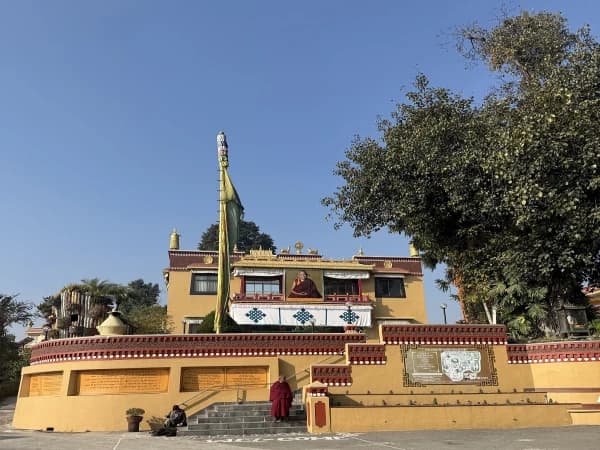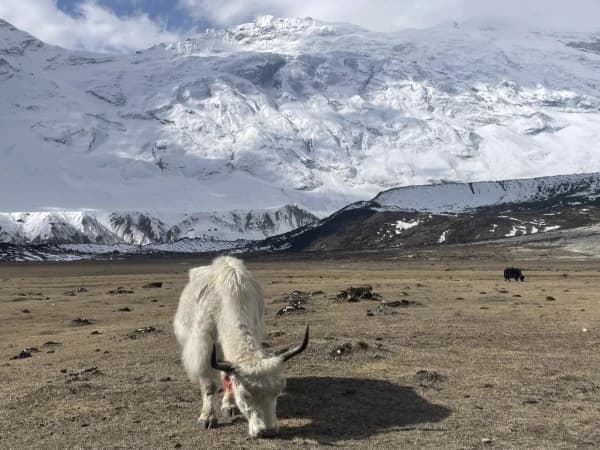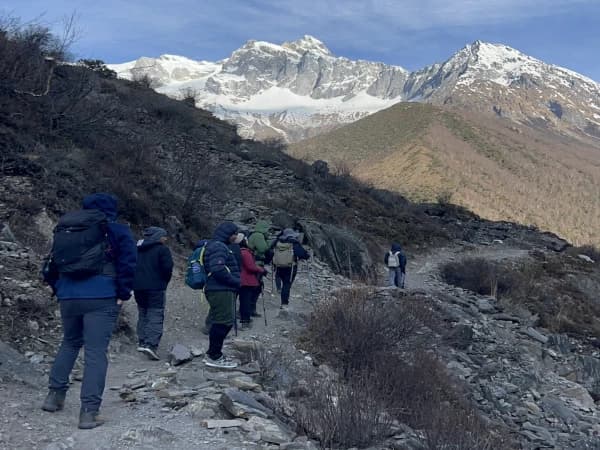
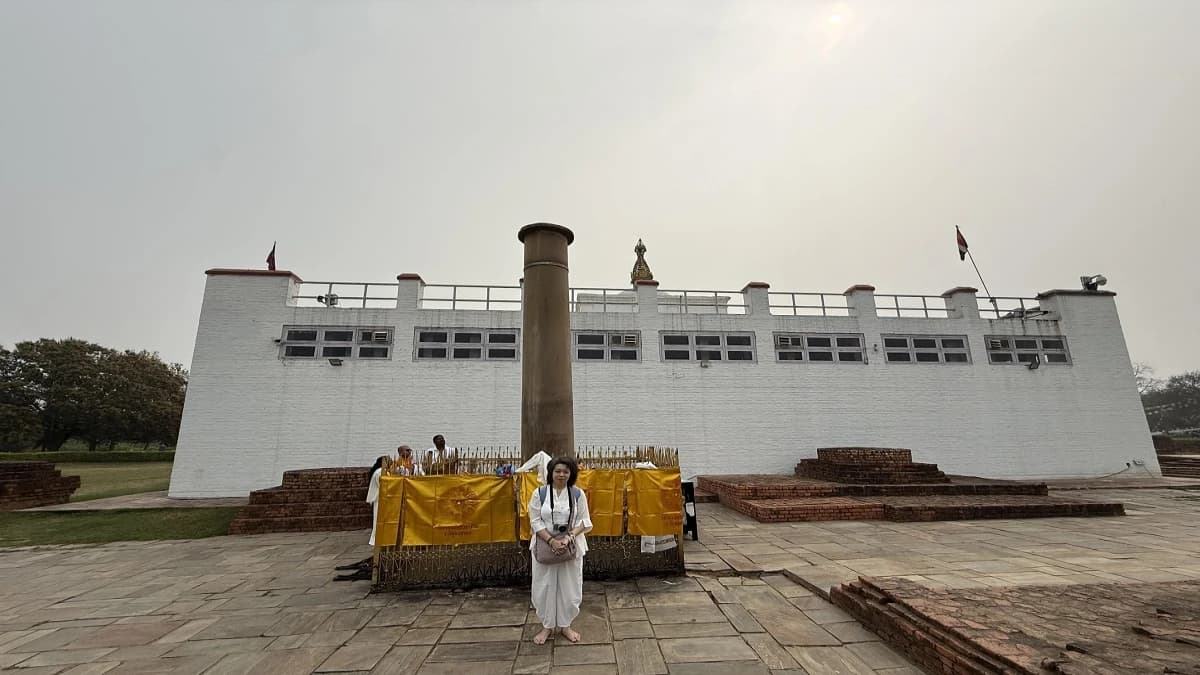
Nepal Country Of History & Culture
The Nepal Sightseeing Tour is designed for travelers looking to explore Nepal’s culture, history and natural beauty in a compact and enriching itinerary. Nepal is a land where mountains touch the sky, rivers flow through ancient cities and culture thrives at every corner. For travelers looking for a mix of nature, history and adventure, a 7 day sightseeing tour in Nepal is the perfect escape. This tour takes you through most iconic Nepal tourist attractions including Pokhara, Kathmandu, Nagarkot and Bhaktapur offering breathtaking landscapes, rich culture and unforgettable experiences.
Whether you’re planning your first trip or revisiting Nepal, sightseeing tours in Nepal offer a seamless blend of adventure, relaxation and cultural immersion. A Nepal sightseeing tour package provides you with a journey which combines tourist sites, history, knowledge and a learning experience to visitors.
From the lakeside city of Pokhara to the cultural heart of Kathmandu, from panoramic Himalayan views in Nagarkot, sightseeing in Nepal blends Kathmandu Pokhara sightseeing with ancient and medieval city of Bhaktapur. Combining the whole experience, allows travelers to experience the best of Nepal’s heritage, natural wonders and vibrant traditions.
Whether you are looking for a short, relaxing getaway or a complete exploration of Nepal’s iconic destinations, Nepal city sightseeing provides a perfect introduction to the Himalayan country of Nepal.
Nepal Sightseeing Tour Highlights
- UNESCO World Heritage Sites visit, including Kathmandu Durbar Square, Swayambhunath (Monkey Temple), Pashupatinath Temple and Boudhanath Stupa
- Boating on Phewa Lake, Gupteshwor Cave and Davis Falls exploration and Himalayan sunrise view over the Annapurna range from Sarangkot
- From Nagarkot, witness breathtaking sunrise and sunset views of the Himalayas including Mount Everest on clear days
- Explore the medieval city’s Durbar Square, Nyatapola Temple, Pottery Square and ancient palaces.
- Optional recreational activities include paragliding, zip-lining, hiking and lakeside cycling in Pokhara.
- Experience authentic village life along the way, observing traditional lifestyles and local craftsmanship.
Why Choose A Sightseeing Tour In Nepal?
- Sightseeing in Nepal offers a rare combination of culture, history, nature and adventure in a small space. Nepal Sightseeing combines exploration around Nepal’s top tourist attractions and other major sites in one seamless journey.
- A sightseeing tour is a fun journey in the diverse heartland of Nepal. Exploring and witnessing significant places, learning about them and experiencing them in real life is always such a fun and unique feeling. Nepal is a wonderfully diverse country, and its main sites are located quite far apart from each other.
- A sightseeing tour provides a well-rounded travel experience in such a way that you do not waste time figuring the transportation out.
- A good tour allows time for photo breaks, snacks and even a little independent sightseeing. And Nepal sightseeing tour packages provide just that. Keep in mind that a sightseeing tour can be a fantastic aid for you to have a lovely, quick and very efficient discovery of Nepal, especially when you are totally enthusiastic about it. During a sightseeing tour in Nepal, travelers can experience the following:
- Ancient architecture, religious sites and historical landmarks.
- Stunning natural landscapes, from Himalayan peaks to serene lakes.
- Local culture, traditional crafts and rural life.
- Opportunities for adventure sports and outdoor activities.
Is Nepal Safe For Sightseeing Tours?
Safety concerns during sightseeing in Nepal is generally widely regarded. Nepal is known as a safe and welcoming destination for travelers. Nepal is generally safe for visitors. Nepal is the most peaceful nation in South Asia after Bhutan. This implies how the country is. It is full of friendly and kind people who are very welcoming. The crime rates are pretty low with some petty ones like pick pocketing thefts, scams and hassle. Most trips go smoothly. The risks you deal with here are practical, not criminal.
- Crime Is Low
- Cases where visitors have been physically assaulted or they have been victims of violent crimes are very rare. Usually, it will just be a worry about a pickpocket rather than a serious crime.
- Most problems can be handled just by being aware of your surroundings. Nevertheless, if you are going to a very crowded event, make sure that your phone and wallet are kept safe and secure.
- The Real Risks Are Roads and Terrain
- Nepal’s geography is the main challenge. Roads are narrow. Drives take longer than they look on a map. Weather can change fast in the hills.
- This is why organized tours help. Experienced drivers know the routes. They avoid risky travel times and handle logistics you cannot judge as a visitor.
- Health and Hygiene
- Health and hygiene standards demand that we make some reasonable precautionary measures. Only drink bottled or filtered water. It is important to avoid drinking tap water.
- Also, eat only freshly cooked and hot food. It is recommended that you have some stomach upset medicine in your first aid kit as well. Most travelers who feel unwell deal with minor food or water problems, not serious illness.
- Political Protests Happen Sometimes
- Strikes and demonstrations occur from time to time. They usually affect traffic, not tourists directly.
- If something is happening, your guide adjusts the plan. Independent travelers often struggle more because transport shuts down without notice.
- Scams Are Small and Avoidable
- You might see inflated taxi prices or unofficial guides offering deals that sound too cheap. Say no and move on.
- Booking through a registered tour company removes this issue.
Why Are Sightseeing Tours The Safer Option?
A good tour handles transport, timing, entry fees and local coordination. You avoid guesswork. You avoid risky travel decisions. You save energy. Due to which your time is spent seeing places and not solving problems. Simple safety habits are what makes a big difference in a smooth travel experience during a Nepal City tour.
In short, it is very unlikely that you will come across Nepal being an unsafe place. Most of the problems, in fact, are caused by the lack of good facilities rather than unsafe situations. The trip is not too difficult if you either plan the trip properly or take a reputable travel company.
- Low crime rates and friendly local communities.
- Reliable guided tours and private transportation.
- Comfortable, carefully selected safe accommodations.
- Road travel may have rough patches, so caution is advised.
- Respecting local customs, dressing modestly at religious sites and staying hydrated ensures a smooth trip.
- With proper planning, travelers can focus on exploration and enjoyment without safety concerns.
Best Places For A Sightseeing Tour In Nepal
Nepal Sightseeing Tour brings you close to history, culture and mountain views in a short time. You can explore ancient temples, royal squares and Himalayan viewpoints within a few hours of each other. These destinations highlight why sightseeing in Nepal is popular and worthwhile among travelers who want both heritage and nature. If you want a well rounded Nepal city sightseeing experience, these are the places you should not miss.
Swayambhunath Mahachaitya
Swayambhunath is one of the oldest religious sites in Nepal, believed to date back over 1,500 years.
It is sacred to both Buddhists and Hindus, showing Nepal’s long tradition of religious harmony.
The stupa sits on a hilltop and offers a full view of the Kathmandu Valley.
The painted eyes of Buddha symbolize wisdom and awareness.
The site is also known as the Monkey Temple because of the many monkeys living around it.
The pilgrim's route consists of a staircase of over 300 steps.
Apart from the stupa there are also things like shrines, monasteries, and prayer wheels that are used daily by the devotees.
Pashupatinath Temple
Pashupatinath Temple is Nepal’s holiest Hindu temple dedicated to Lord Shiva.
It is a UNESCO World Heritage Site and a major pilgrimage destination for devotees from across South Asia.
The temple complex lies along the Bagmati River which is considered a sacred river by the Hindus.
Cremation ceremonies take place on the bank of the Bagmati river at “Ghat” where Hindu beliefs of life and rebirth are centered.
Only Hindus may enter the main temple, but visitors can observe the surroundings and ceremonies.
The architecture reflects the classic Nepali pagoda style with detailed wood carvings.
Bouddhanath Stupa
Boudhanath Stupa is one of the largest stupas in the world and a key center of Tibetan Buddhism.
The massive mandala shaped structure symbolizes the universe in Buddhist cosmology.
The massive white dome and golden spire represent peace and enlightenment.
Pilgrims perform kora, walking clockwise while chanting and spinning prayer wheels.
The area is filled with monasteries, meditation centers and traditional Tibetan shops.
The stupa’s white dome and golden tower are visible from far away, making it a landmark of the city.
Changunarayan Temple
Changu Narayan Temple is considered one of the oldest temples in Nepal, with inscriptions from the 4th century.
It is dedicated to Lord Vishnu and shows early examples of Nepali stone and wood art.
The temple complex is famous for its intricate carvings that tell stories from Hindu mythology.
It sits on a quiet hill, offering a peaceful setting away from the busy city.
The site is listed as a UNESCO World Heritage monument for its historical importance.
It offers insight into early Licchavi period art, showing how religion shaped ancient Nepali society.
Kathmandu Durbar Square
Kathmandu Durbar Square was once the royal palace of the Malla and Shah kings.
It served as the political and cultural center of old Kathmandu.
The square contains historic temples, courtyards and the residence of the Living Goddess Kumari.
The square includes Hanuman Dhoka Palace and Taleju Temple used for festivals.
Many structures date from the 12th to 18th centuries, showing traditional Newari craftsmanship.
Despite earthquake damage, it remains one of the most important heritage areas in Nepal.
Bhaktapur Durbar Square
Bhaktapur Durbar Square is known for preserving its medieval layout and culture.
The city was once an independent kingdom and a major center of art and trade.
Its temples, palaces and squares are built mostly from red brick and carved wood.
Bhaktapur is famous for pottery, traditional festivals and local Newari lifestyle.
The area feels like an open museum where daily life continues among historic monuments.
It reflects the preserved Newar culture, from architecture to festivals and daily lifestyle.
Hills of Nagarkot
Nagarkot is a hill station located about 32 km from Kathmandu.
It is famous for sunrise and sunset views over the Himalayan range, including distant views of Everest on clear days.
The area was once a fort used to monitor activity in the valley.
Today it is a peaceful and luxury retreat known for fresh air, nature walks and scenic landscapes.
Nagarkot is a popular short escape for travelers wanting mountain views without trekking.
Pokhara Lakeside
Pokhara is Nepal’s second largest tourist city and a gateway to the Annapurna region.
It is known for Phewa Lake, where the mountains reflect clearly on calm mornings.
The city offers a relaxed environment compared to Kathmandu, with open spaces and natural scenery.
Pokhara is also a hub for adventure tourism such as boating, hiking and paragliding.
Its location provides close, dramatic views of peaks like Machhapuchhre and Annapurna.
Sarangkot
Sarangkot is the main viewpoint overlooking Pokhara and the Annapurna and Dhaulagiri mountains range.
It is best known for sunrise, when the Himalayan peaks change color with the first light.
The hill offers a wide panoramic view of mountains, lakes and the Pokhara Valley.
Sarangkot is also one of Nepal’s top paragliding launch sites.
It provides an easy way to experience Himalayan scenery without a long trek.
These destinations together present the key cultural, historical and natural highlights that define an ideal 7 days Nepal sightseeing itinerary.
When Is The Best Time For A Nepal Sightseeing Tour?
Nepal is a destination where travel can be done year round. Weather, festivals and visibility are the main things that you should always keep in mind while planning your sightseeing tour. You will only be able to enjoy the mountains, temples and cities without any extra stress if you pick the right season. Generally, the best season for a sightseeing tour in Nepal is considered during the peak travel seasons which are Spring (March to May) and Autumn (September to November). However, each season provides you with its own speciality.
Spring (March to May)
Spring provides a lovely setting for the people who both love flowers and those who prefer calm strolls. The environment becomes vibrant and bright. The temperature is perfectly balanced between warmer during the days and gentle in the evenings. The hills and valleys under the huge flowering Rhododendrons get so pretty that nature walks are very enjoyable. The temperature is just right for comfort, not too hot and the sky is often clear, so you can have great views of the mountains. Traveling around the city for sightseeing is quite simple and there are plenty of opportunities for outdoor activities as well. To illustrate, you may go boating in Pokhara or have a relaxing walk at the Durbar Squares.
Autumn (September to November)
This is the peak season for sightseeing in Nepal. The air is fresh and the mountains can be seen clearly after the monsoon period. Pictures of the sunrise in Sarangkot and Nagarkot rank among the most unforgettable in the world. You are sure to have memorable experiences visiting Pashupatinath temple, Boudhanath stupa, Swayambhunath and Kathmandu Durbar Square, and also wandering around Kathmandu city during this period. Besides that, the cultural festivals of Dashain and Tihar add in the fun of the enjoyment even more. The temperature is moderate with clear and bright days. Overall, it provides a favourable condition for relaxing and smooth sightseeing experience.
Winter (December to February)
Usually, winter is cool and it gets even colder at higher places like Sarangkot and Nagarkot. The weather is chilly but you can enjoy a spectacular view. Also, the sky is less hazed at these higher elevations. Snow-capped mountain scenery is just ideal during the winter. Because it is quite cold, very few people go out on the streets, so you get a peaceful atmosphere of Kathmandu Durbar Square and Bhaktapur Durbar Square when you are walking around.
Monsoon (June to August)
Going out traveling may be really challenging in case there is heavy rainfall. The peaks of Sarangkot and Nagarkot get covered by clouds during such times. It is completely normal that streets in Kathmandu and Bhaktapur turn to be slippery, still, you can go to the locations like the Pashupatinath Temple and Boudhanath Stupa. By making a good travel plan, you will be able to see the lovely vibrant green countryside and Pokhara which is so refreshing and beautiful.
Nepal Sightseeing Tour 7 Days Itinerary
Day 01: Arrival in Nepal followed by transfer to Pokhara.
Day 02: Sarangkot sunrise and Pokhara Day sightseeing.
Day 03: Drive back to Kathmandu, the capital of Nepal.
Day 04: Kathmandu Durbar Square sightseeing and visit to Swayambhunath.
Day 05: Bhaktapur and Changunarayan sightseeing and drive to Nagarkot.
Day 06: Return back to Kathmandu.
Day 07: Final Departure.
Transportation During Sightseeing Tour In Nepal
During Sightseeing Tour In Nepal, one of the things that come as a surprise to most people is the fact that Nepal can be toured easily by a road trip.
Even though the cities and the main tourist attractions might seem to be very close to each other when you look at a map, the time taken by the journeys is basically longer due to the traffic and the hilly terrain. That is why you are provided with your own mode of transport throughout the tour. A Nepal sightseeing tour transportation, ensures a comfortable, safe and convenient journey to the top tourist sites for visiting.
Private Vehicles for Comfort and Safety
During any tour activity, to ensure your group's comfort during all the road trips, private air-conditioned vehicles are provided. The vehicles are chosen to offer enough space, comfort, and safety, whether you are a solo traveler, couple or a large group.
Experienced Drivers
The drivers not only know the routes, local traffic patterns and the mountain roads very well, but they are also very flexible. They can even change their speed and time schedules in order to avoid traveling times when it is dangerous and thus your trip will be very comfortable and stress-free.
Flexible Itinerary
If you have a vehicle at your disposal, it means you are the one who sets the pace. So, you can stop to take pictures, have tea or just drop by a small village on the way without rushing.
Airport Transfers
Mostly, double airport transfers are always included in the tour package. It means you are free of worries about directions, waiting time or getting lost.
Access to Key Attractions
With a vehicle, it is possible to get drop-off at a very close distance to the sightseeing places such as Kathmandu Durbar Square, Bhaktapur Durbar Square, Swayambhunath, Boudhanath, Pashupatinath, Sarangkot, Nagarkot and Pokhara lakesides. Investing your time in exploring the sights instead of having you struggle with the logistics is another reason for private transports during sightseeing tour.
Safety Measures
The cars that are used are always in good condition, fully insured and regularly maintained. Seat belts are there and drivers are very cautious while they comply with local safety rules and regulations. Being guided by people who are familiar with the area considerably decreases the risks that are usually associated with mountain or city traveling.
Convenience for Luggage
You do not have to worry about carrying heavy bags through narrow and crowded streets while soaking in the beauty of the sightseeing places. Your luggage will be stored securely in your transport vehicle while you are admiring the temples, squares and breathtaking viewpoints.
Nepal City Sightseeing Tour Package Accommodation Facility
The most important aspect of a sightseeing tour in Nepal is that you should be comfortable and conveniently located. After a day full of walking and visiting temples, squares, lakes and hilltop views, your accommodation should perfectly fit the criteria of comfort, safety and good location. This is fully ensured to provide you a perfectly smooth and hassle free experience during your sightseeing visit in Nepal.
3-star hotels on a BB basis
All the hotels are handpicked 3-star hotels on a Bed & Breakfast (BB) basis. A fresh and local breakfast is served daily to efficiently recharge your body for the adventures of the day, and, at the same time, it gives you the liberty to choose lunch and dinner.
Comfortable Rooms
The hotels offer clean and roomy accommodations with all the necessary modern conveniences such as hot showers, Wi-Fi, and comfy beds. Rooms should be the place where, after a whole-day-out, guests in Kathmandu, Pokhara or Nagarkot can finally unwind and fall asleep instantly..
Prime Locations
The hotels are located in close proximity to the town centers and major sightseeing areas. In Kathmandu, on foot, you are very close to Durbar Squares and temples. Similarly, in Pokhara, Phewa Lake, Sarangkot and Lakeside streets are easily accessible.
At Nagarkot, the hotel will provide you with a room or balcony view of the stunning Himalayas.
Facilities for Relaxation
Some of the accommodations boast lounges, roof terraces and even tiny gardens where one can have a peaceful evening after an active day outdoors.
Actually, there are some hotels in Pokhara which have seating areas by the lake where one can witness the sunset or the reflection of the mountains.
Safety and Security
The hotels which are part of the neighborhoods where these are located are safe, have reception 24/7, offer secure luggage storage and other facilities. The hotel staff are friendly and experienced in giving local advice, helping with transportation and coordination and reacting to emergencies.
What To See In Nepal In 5 Days?
If you are limited on time but still keen to explore Nepal and its beauty? Worry not as even a short duration of 5 days provides visitors with enough time to explore the rich heritage and history of Nepal.
A 5 Day Nepal sightseeing tour can introduce you to the rich cultural and historical heritage of Kathmandu valley combined with Nepal’s pristine wildlife in the lowlands of Terai region. For visitors short on time, the Kathmandu Chitwan Tour is a perfect way to blend culture, history and natural wonders of Nepal for an absolutely magical sightseeing experience.
The tour takes you sightseeing in the ancient Kathmandu valley and its rich heritages such as Durbar Square where the Living Goddess Kumari lives. Additionally, it covers the Monkey temple (Swayambhunath), Bouddhanath Stupa and one of the holiest Hindu temples of Lord Shiva, the Pashupatinath.
It takes you on a visit to the city of Patan in Kathmandu valley. Patan city has an old charm with its narrow streets, brick houses and combination of beautifully sculptured Hindu temples, Buddhist monasteries (vihara) and monuments.
Now the tour moves you to the natural heritage of Nepal, in Chitwan National Park. The oldest national park of Nepal is home to beautiful and wild animals like the Royal Bengal tiger, One-horned rhinos, Wild elephants, Leopards, Gharial crocs, Marsh Mugger crocs, Deer species and over 600 species of birds from which many are exotic and rare.
The protected area provides you with jungle activities like jeep safaris, guided nature walks, canoeing in croc infested rivers and gives you the opportunity to view wildlife in their natural habitat.
Hence, even visitors limited in time can explore Nepal from its culture, heritage, mountain views to the lowland jungles and experience raw wildlife. These all can be done within a span of 5 days.
Sightseeing In Nepal 5 Days Itinerary
Day 01: Arrival in TIA and Kathmandu Durbar Square sightseeing.
Day 02: Exploration of Bouddhanath, Pashupatinath and Patan.
Day 03: Drive to Chitwan
Day 04: Chitwan Jungle activities
Day 05: Drive back to Kathmandu.
If you have long holiday we have 10 days Nepal sightseeingTour package Kathmandu, Pokhara, Chitwan, Lumbini & Nagarkot
The Ultimate Nepal Sightseeing Experience
A Nepal sightseeing tour is an ideal way for a person to immerse oneself in the culture, history and nature of the country simultaneously by a single, well-planned journey.
One can discover temples, royal courtyards and hilltop viewpoints, all the while traveling comfortably and staying in top-class hotels.
Each place has its unique charm to show, from the bustling streets of Kathmandu and Bhaktapur to the tranquil lakes and Himalayan landscapes of Pokhara, Sarangkot and Nagarkot. A 7-day Nepal sightseeing tour gives you a simple itinerary that not only allows you to visit the sights but also to engage in genuine cultural experiences and create unforgettable memories. You should consider your trip to Nepal at its best.
FAQs
1.Which is the most visited place in Nepal?
The most visited place in Nepal is widely considered to be Kathmandu, the capital as it serves as the main gateway to Nepal and is rich in cultural heritage and history.
2. Is 7 days in Nepal enough for a sightseeing tour?
A 7-day tour is ideal for exploring Nepal’s top destinations, however a shorter itinerary of 5 days can also be arranged if you are short on time.
3. How much does a Nepal trip cost?
A Nepal sightseeing trip of 7 days generally costs around USD 600 including private transport, 3 star accommodations, guided sightseeing tours and all necessary monuments entry permits.
4. What sites are covered in a Nepal 5 day trip?
A 5 day Nepal trip covers sites like Kathmandu Durbar square, Boudhhanath, Pashupatinath, Patan, Chitwan National Park, etc.
5. Can I visit Nepal now?
Yes, Nepal is open for international travelers in March 2026. Airports, hotels and major sightseeing sites are operating normally. Note that domestic flights may be paused on March 5 due to the general election, but tourism continues before and after this date.