Is Nepal suitable for a Buddhist Pilgrimage for seniors?
Nepal is among the best destinations for a Buddhist pilgrimage for seniors. A Buddhist pilgrimage for seniors is very well-suited here since most of the heritage sites are located within Kathmandu valley. You don't need demanding treks to visit every Buddhist site to make your pilgrimage meaningful as a older pilgrim. Most important Buddhist pilgrimage sites in Nepal are easily accessible by road on private vehicles or short domestic flights with a gentle-paced itinerary, comfortable accommodation and regular rest.
An excellent pilgrimage for elders combines easily accessible Buddhist sites with a slow pace and rest period. While planning for seniors the biggest mistake becomes treating the pilgrimage like a standard sightseeing tour. Senior pilgrims cannot keep up with a fast pilgrimage with a packed list of temples and stupas unlike young adult people. That is why Nepal is the best destination for older Buddhist pilgrims. With easier accessibility of Buddhist sites, they get adequate time to rest, join prayers, practice meditation and explore meaningful pilgrim sites at their own pace.
It is also important to address accessibility to important Buddhist heritage sites while planning for seniors. Private vehicles can drop you off to the entrances of most of the Buddhist sites. However, you may need to walk to explore inside and around the complexes with stairs and some uneven surfaces. For most part, the pilgrimage sites are easily accessible if you can walk at a relaxed pace for 10 to 20 minutes. However, not all sites are accessible for wheelchair users since they are historic and old heritages with no modern accessibility standards.
This is when proper planning is important for senior Buddhist pilgrims visiting Nepal. Seniors who are physically able can include more sites, while those with significant mobility limitations should focus on accessible destinations. Planning around your individual walking ability, wheelchair requirements and preferred amount of rest makes a Nepal perfect for a Buddhist pilgrimage for seniors.
The best Buddhist pilgrimage in Nepal for seniors allows them to experience important Buddhist sites, prayer and meditation without turning the journey into a physical challenge. With the right itinerary, transportation and accommodation, older travelers can explore Nepal's Buddhist heritage and spirituality comfortably.
Which Buddhist Sites are suitable for a pilgrimage with seniors?
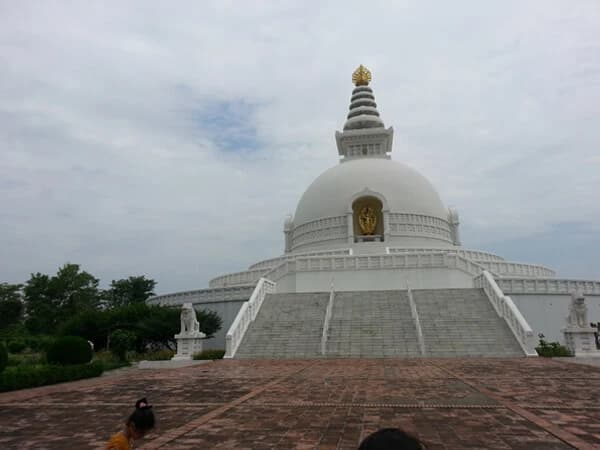
For senior pilgrims, the most suitable Buddhist sites in Nepal are Boudhanath, Lumbini, Swayambhunath, Patan’s Golden Temple, Kopan Monastery and Namo Buddha. These sites are accessible by vehicles and are not physically demanding for elders who can walk comfortably for a while. However, some sites are not suitable for seniors who require wheelchairs. Hilltop sites with long flights of stairs such as Swayambhunath, Namo Buddha, etc are not suitable for specially-abled older pilgrims.
Boudhanath Stupa
It is one of the easiest and most important Buddhist sites for seniors in Kathmandu. It lies in an urban area with hotels, restaurants and road access nearby. Seniors can walk around the stupa at their own pace and take breaks when needed. There are many wooden chairs near the stupa where you can sit back and relax while watching other pilgrims perform kora.
Lumbini
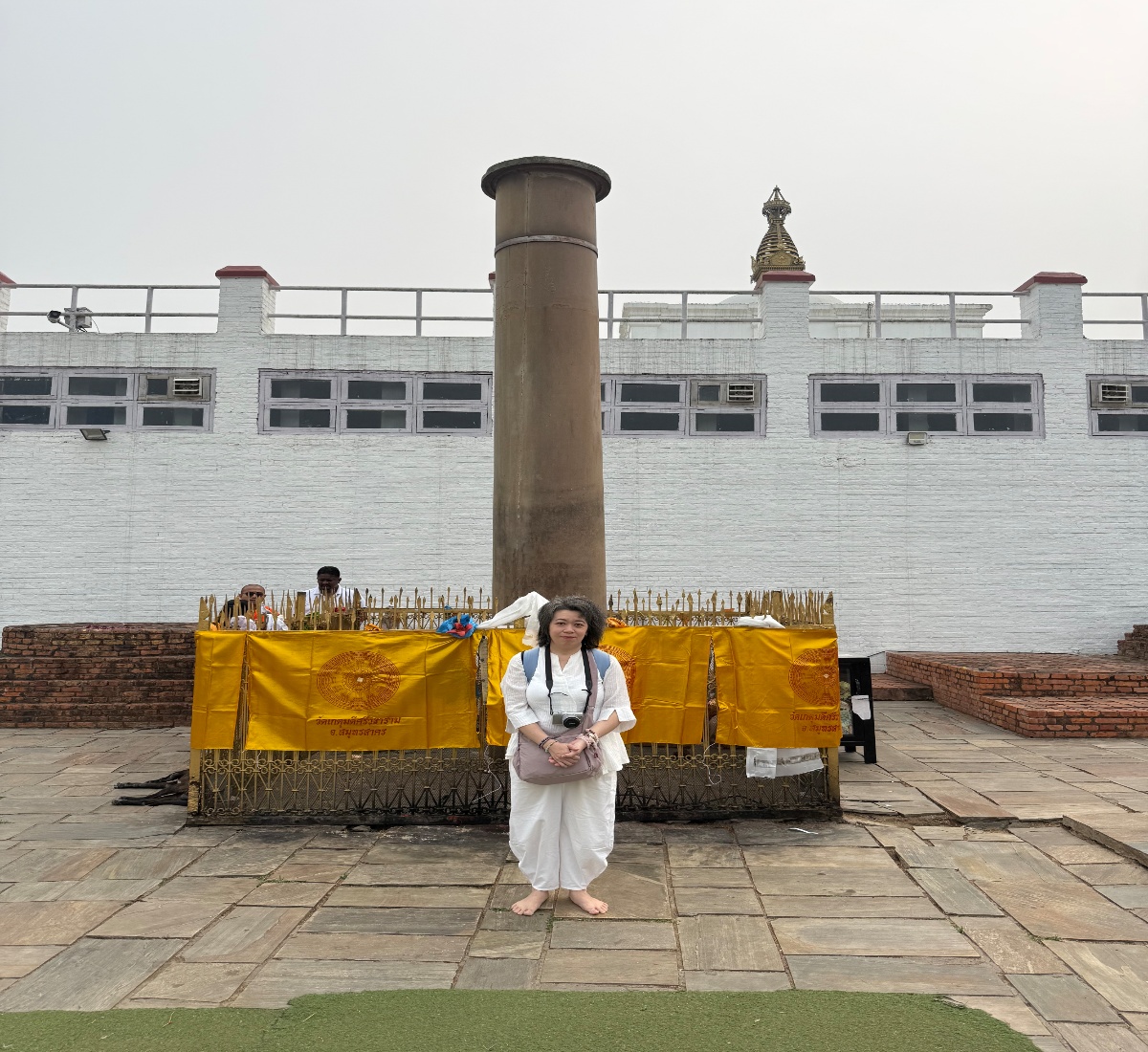
Lumbini is also suitable for seniors because the main pilgrimage areas are located on relatively flat ground. Lumbini is the birthplace of Lord Buddha which makes it a very important yet easily accessible heritage site. A private vehicle can reduce the amount of walking between different monasteries and heritage sites. You can even fly there from Kathmandu to remove the need of a long and tiring road journey. You may also hire e-rickshaws to take you around the heritage complex in Lumbini.
Swayambhunath
For senior pilgrims who can walk and climb a few stairs, Swayambhunath stupa is also a relatively accessible and important pilgrimage site. A private vehicle can reach the top of the hill which removes the need of climbing the famous 365 steps. Even with that, you still need to climb some stairs to enter the main complex and explore around the Stupa. However, the unavailability of wheelchair ramp makes Swayambhunath inaccessible for seniors that require wheelchairs.
Golden Temple (Hiranya Varna Mahavihar)
It is an important Newari Buddhist monastery in Patan. The approach through the historic Patan area is manageable but the temple itself has steps and a compact courtyard. Seniors should visit slowly rather than treating it as a quick stop. Wheelchair users can also explore around the complex without the need of climbing the stairs.
Namo Buddha
It is spiritually important but is less suitable for seniors with serious mobility limitations because it is also a hill destination with uneven surfaces and a slope. A vehicle can drop you off at the main entrance gate of the monastery but you need to walk further up from there to enter the main complex area. There are also some stairs in Namo Buddha. If you can walk a bit then you can visit Namo Buddha even as a senior pilgrim. However, wheelchair users unfortunately cannot.
How accessible are Buddhist pilgrimage sites in Nepal for seniors?
Buddhist Pilgrimage sites in Nepal are mostly accessible for seniors but can vary between different sites. Generally, sites like Bouddhanath and Lumbini are easier than hilltop sites like Swayambhunath with stairs. Accessibility also depends upon seniors and their physical capabilities and limitations.
Most of the important and major Buddhist pilgrimage sites have road access. Older pilgrims can travel to pilgrimage sites comfortably on private vehicles and reduce walking distances. However, not all sites are stairless. Vehicles drop you off at the entrance from where you need to climb some stairs to enter the complexes of monasteries, stupas and temples. This is not a big problem for the seniors who can walk and climb some flights of stairs at a relaxed pace.
Bouddhanath, Lumbini, Patan Buddhist sites are the most accessible since you walk on flat ground with almost no stairs. A drive up to Swayamabhunath avoids the traditional way of getting up top by climbing 365 stairs. Even doing so, you will still need to climb a few stairs to reach the stupa complex which is not difficult for seniors with decent mobility. Similarly, you can reach the main gates of Namo Buddha monastery directly on a vehicle but navigating to the actual complex requires a bit of walking and some stairs.
If a senior pilgrim has limited mobility, difficulty in walking or requires a wheelchair for locomotion, then accessibility to Buddhist sites changes dramatically. In such cases, your itinerary should be modified around which sites are feasible and easily accessible.
Is Buddhist Pilgrimage in Nepal possible for wheelchair users?
A Buddhist pilgrimage for wheelchair users is possible in some heritage sites in Nepal. Wheelchair accessibility is limited as the sites are ancient, historic and built on hilltops. However, it is still possible for a wheelchair user to do a Buddhist pilgrimage in Nepal. For that your itinerary should cover wheelchair friendly sites such as Bouddhanath, Lumbini, Patan Buddhist sites, etc.
Lumbini is generally a better choice for wheelchair users as the pilgrimage area is relatively flat and can be explored with assistance. Boudhanath is also possible to visit than many traditional hilltop stupas or monasteries. You may still need assistance with navigation on your wheelchair as surrounding streets and terrain may be uneven. For wheelchair users hiring a helper can make the journey considerably easier.
Swayambhunath, Namo Buddha, Pharping monastery and other historic sites feature lots of stairs, slopes and uneven terrain. Due to difficult topography, these Buddhist sites are usually not accessible for wheelchair users. Unless you are able to move a bit with your legs, access to these sites are almost impossible. It is important to note that a vehicle reaching a site's entrance doesn’t mean the entire pilgrimage site will be wheelchair accessible.
| Pilgrimage Site | Wheelchair accessibility |
| Bouddhanath | Yes |
| Lumbini | Yes |
| Patan Buddhist Sites | Yes |
| Swayambhunath | No |
| Namo Buddha | No |
| Pharping monastery & Asura caves | No |
Can seniors hire a caretaker or helper for a Buddhist pilgrimage?
Senior pilgrims can hire a caretaker or helper to assist them during their pilgrimage to Buddhist sites in Nepal. Depending on the type of support you need, you can hire a helper. You may hire a helper for your wheelchair, caregiver, personal companion, nurse, and so on. You may receive help and support from people as per your needs such as help with walking, carrying personal belongings, getting in and out of vehicles and assistance with wheelchairs.
A guide and a caretaker are not the same thing. A guide explains the Buddhist sites and manages sightseeing, while a caretaker provides personal assistance to senior pilgrims. It is also possible to arrange a nursing caregiver if an older pilgrim needs medical care appropriate assistance.
Comfortable accommodation for seniors during a Buddhist pilgrimage
Selecting suitable accommodations for senior pilgrims is very important for accessibility and comfort. Hotels should be near pilgrimage sites for easier accessibility which reduces walking distance. In Kathmandu, staying around Boudhanath, Thamel or Patan can make different Buddhist sites easier to reach. In Lumbini, staying close to the main pilgrimage area reduces the need for repeated long drives. While booking, make sure the hotel has every feature which you need as a senior. If you require a wheelchair, you should confirm if they are wheelchair friendly or not prior to booking.
Key features to look for in a hotel for senior pilgrims.
- Elevator/lift access
- Attached bathrooms with grab bar near the toilet seat for support
- Spacious rooms including the bathroom for safety
- Heating, air-conditioning and hot water access
- Comfortable beds
- Restaurant in the hotel
- Vehicle access for pickup directly from the hotel’s door
- 24-hour front desk service
- Pharmacies and medical facilities nearby
For seniors, we should select accommodations with important and useful features rather than views and luxuries. The convenience and support of a good hotel for a senior makes their journey easier and comfortable.
Best Itinerary for Buddhist Pilgrimage in Nepal for seniors
A Buddhist pilgrimage for senior pilgrims or elders with limited mobility, body-ache should follow a gradual itinerary with relaxing visits to accessible Buddhist sites. The best itineraries for seniors should make their pilgrimage feel physically easy, comfortable and exclude inaccessible Buddhist places for seniors. Following a gentle trip plan lets senior visitors enjoy an easy and immersive Buddhist pilgrimage experience in Nepal.
Below are some of the best itineraries to follow for senior Buddhist pilgrims in Nepal.
Relaxing 5- Day Buddhist Pilgrimage in Kathmandu for seniors
Day 1: Arrival and transfer to boutique or a heritage hotel for rest
Day 2: Explore Swayambhunath and Bouddhanath
Day 3: Explore Golden Temple and other buddhist sites in Patan
Day 4: Visit Kopan monastery and experience peaceful prayer sessions
Day 5: Departure
7-Day Buddhist Pilgrimage for seniors
Day 1: Arrival and rest in a heritage/boutique hotel
Day 2: Visit Swayambhunath and explore traditional Newari-Buddhism in Patan
Day 3: Fly to Bhairahawa and explore Lumbini the birthplace of Gautam Buddha
Day 4: Explore historical heritage sites around Lumbini at a gentle pace
Day 5: Fly back to Kathmandu and explore Namo Buddha and its Tibetan Buddhism
Day 6: Peaceful morning in Namo Buddha with prayers and exploration of Bouddhanath
Day 7: Departure
9-Day Immersive Buddhist Pilgrimage for seniors
Day 1: Arrival and relaxation in a heritage/boutique hotel
Day 2: Explore Swayambhunath and Bouddhanath
Day 3: Gentle-paced exploration of traditional Buddhist temples and culture in Patan
Day 4: Fly to Bhairahawa for Lumbini exploration
Day 5: Comfortable exploration around Lumbini heritage sites
Day 6: Fly back to Kathmandu and visit Pharping monastery
Day 7: Explore Namo Buddha monastery with an overnight stay
Day 8: Morning in Namo Buddha with prayers and visit Kopan Monastery
Day 9: Departure
3-Day Lumbini Pilgrimage for seniors
Day 1: Fly to Bhairahawa and explore the main temple complex of Lumbini
Day 2: Gradual exploration around Lumbini heritage sites
Day 3: Enjoy peaceful prayer session in Lumbini and fly back to Kathmandu
Combine Buddhist Pilgrimage with peaceful wellness retreat for seniors
Seniors can enjoy a spiritual yoga and wellness retreat after their Buddhist pilgrimage in Nepal. You can also combine peaceful yoga sessions at some Buddhist monasteries and heritage sites during the pilgrimage. Combining a gentle guided yoga and wellness retreat with a peaceful Buddhist pilgrimage allows a greater tranquil experience to senior pilgrims. These activities are gentle and non-demanding. It adds mindfulness and wellness to the beliefs of Buddhism for elders. It is a great way to enhance a Buddhist pilgrimage journey in Nepal for seniors. For senior pilgrims, it is a great way to experience Buddha’s teachings of non-violence and peace of mind with gentle hatha yoga and pranayamas.
Can seniors take part in prayers and meditation at Buddhist sites?
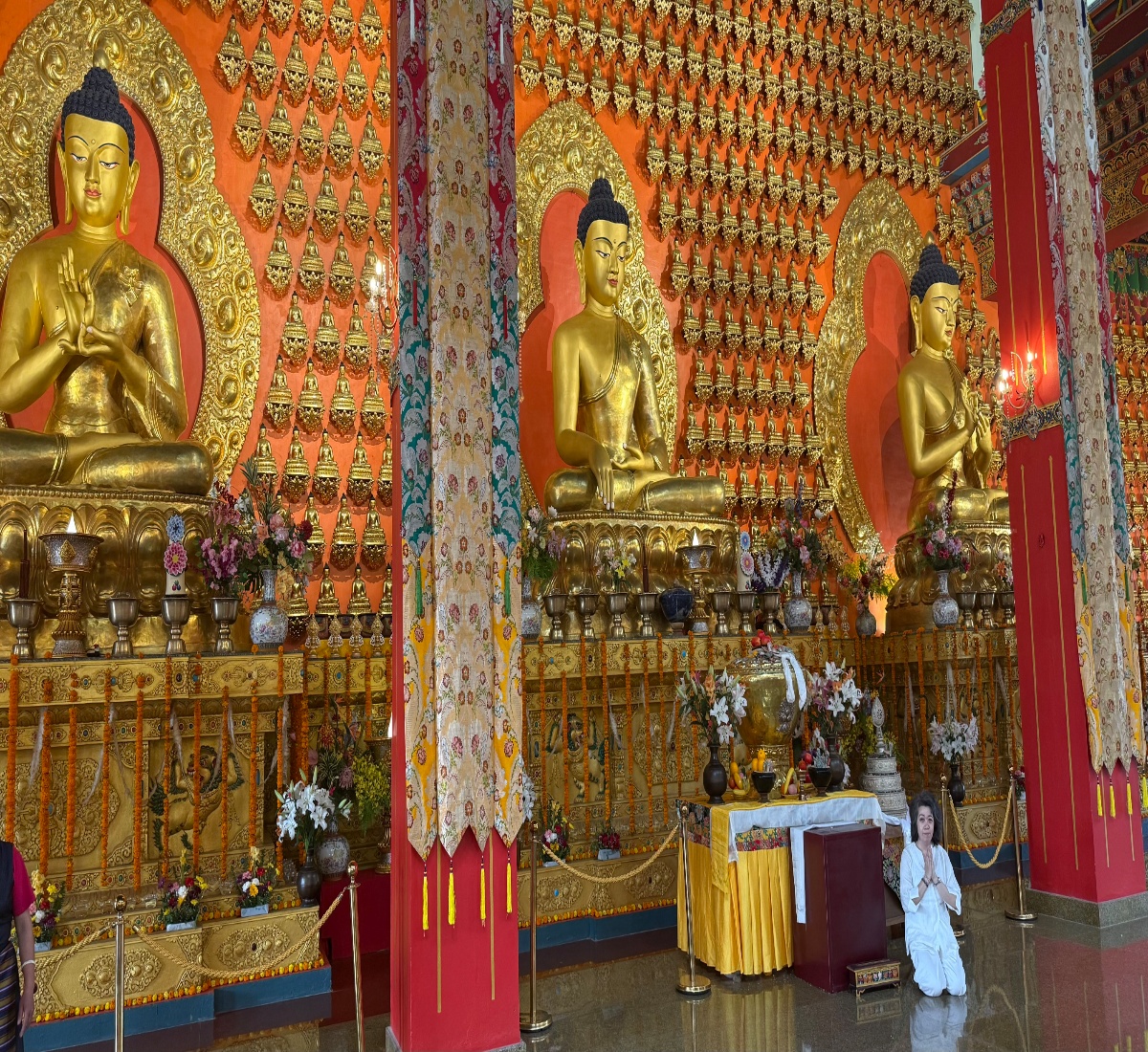
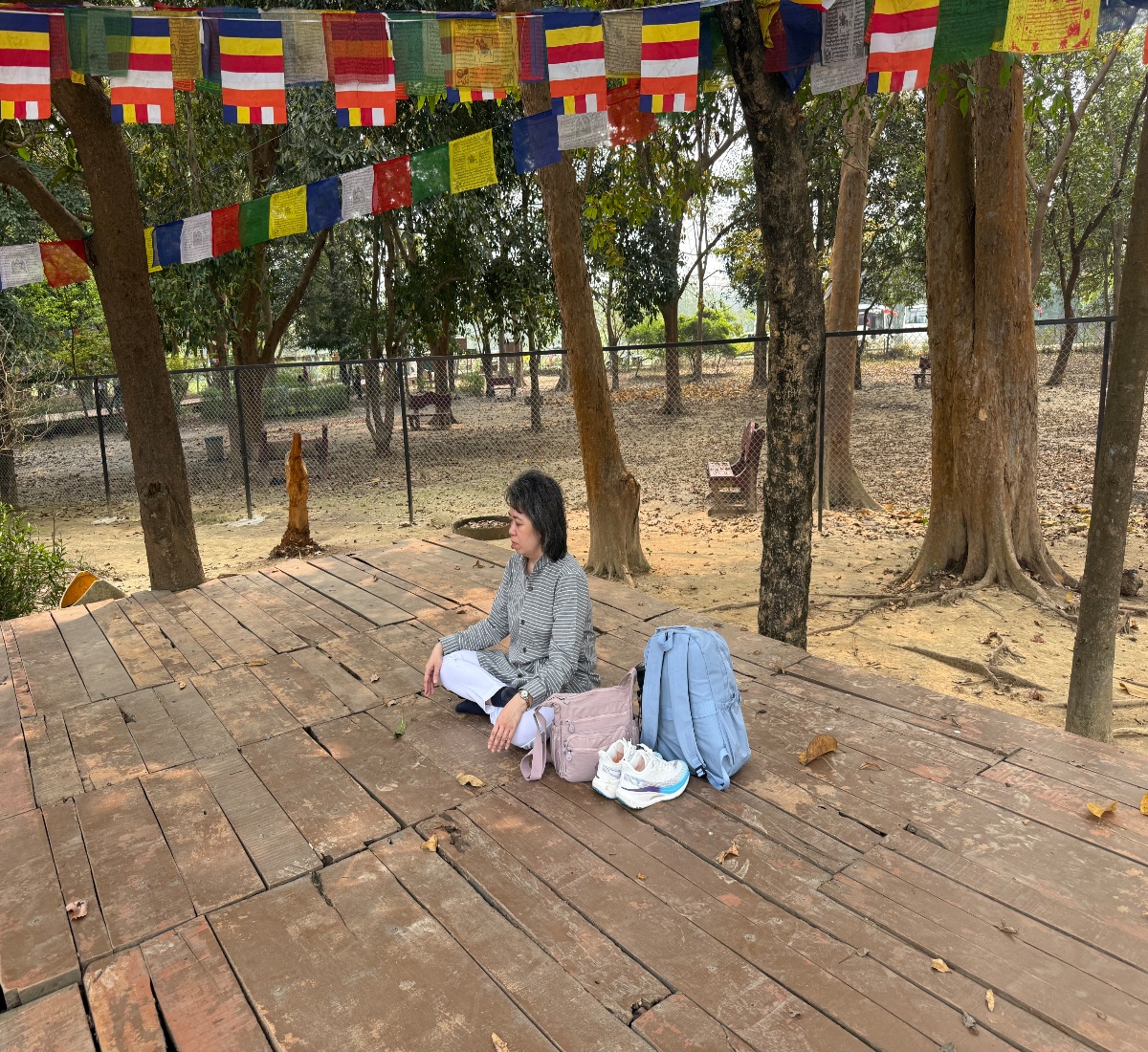
Pilgrimage sites, monasteries and shrines allow everyone including seniors to take part in their prayers, meditation and offerings. They welcome seniors with utmost care and respect as Buddhism teaches respect and humility. Participating in prayers, peaceful meditation sessions, butter lamp offerings enhances the pilgrimage experience you as a senior. You can experience different kinds of prayer and worship sessions at the Buddhist sites in Nepal.
Which Buddhist Sites should seniors prioritize with limited time and strength?
A senior pilgrim with limited walking ability or a few days in Nepal should prioritize Boudhanath and Lumbini first. Both of these are important Buddhist heritage sites which are easily accessible for seniors and even wheelchair users. You can visit these sites at the comfort of a private vehicle. In Lumbini, you can even tour around the complex area on your private vehicle or e-rickshaws.
If you still have the time and energy, Patan's Golden Temple, Mahabuddha Temple, and other nearby Buddhist temples are also easily accessible. Note that these sites require walking as they mostly lie inside the Patan Durbar Square. For seniors, a slower visit to fewer sites is usually better. They should enjoy a gentle-paced pilgrimage to fewer but more easier and accessible Buddhist sites which is more manageable and comfortable.
Travel with family or companion for the Buddhist Pilgrimage as a senior
Travelling with a family member or trusted companion can make a Buddhist pilgrimage in Nepal easier for seniors. A family member or travel companion can help with walking, luggage handling, communication or daily routines or even assisting with a wheelchair if required.
For seniors with limited mobility, having a companion is especially useful at places with stairs, uneven paths since they can provide physical support. If you are planning a Buddhist pilgrimage with seniors, you should avoid rushing the itinerary. You need to consider enough rest time and comfort for them.
Travelling with family also makes it easier to handle prescription medicines, personal documents and other essentials. A family member knows regular medication of seniors and assists with daily routines. If you are travelling with both younger and senior members a pro tip is to plan your additional visit to nearby sites during the rest time of your senior family member.
What should seniors consider for a pilgrimage in Nepal?
Seniors should consider their mobility, health requirements, walking tolerance, travel time and access to assistance before choosing a Buddhist pilgrimage itinerary in Nepal. Accessibility and your health are also important to consider for the pilgrimage.
The most important things to consider as a senior pilgrim for a Buddhist pilgrimage in Nepal are:
- Walking ability- Know how far you can comfortably walk in a day and whether stairs are a problem.
- Mobility aids- If you use a walking stick, wheelchair or other mobility aid, check the access conditions of each site before visiting.
- Travel- Choose faster and comfortable flights to avoid long road journeys while visiting Lumbini.
- Rest periods- Give yourself half day of rest before heading to another major Buddhist site instead of filling every hour with temples and monasteries.
- Accommodation- Choose hotels with convenient features such as vehicle access, lifts, handle bars in bathroom, etc. for senior pilgrims.
- Medication- Bring enough regular prescription medicines for the trip and carry their relevant medical documents.
- Companion- Travelling with a family member, or hiring appropriate helpers makes your pilgrimage easier.
- Site accessibility- Consider visiting Buddhist sites based on proper accessibility.
- Pace of pilgrimage- Choose fewer important sites and complete it at a relaxed-paced.
It is better for a senior pilgrim to explore fewer, accessible and easier Buddhist pilgrimage sites unhurriedly than rushing through five different monasteries in a day. Choosing the perfect pilgrimage as seniors depend on yourselves. A healthy senior who walks comfortably can include Swayambhunath, Kopan or Namo Buddha monastery. While someone with significant mobility limitations may visit better accessible sites such as Boudhanath and Lumbini. Planning around the senior pilgrim's actual physical ability makes the pilgrimage comfortable.
.webp&w=3840&q=75&dpl=dpl_HXZgR2UAtJU9JSbMerrDAUd4dkHx)